





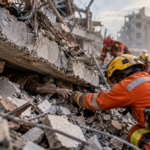


Indonesia sharpens outbreak readiness with region wide simulation led by WHO
Indonesia has stepped up its preparedness against health emergencies by conducting a large scale regional simulation exercise aimed at strengthening disease detection, coordination and response...

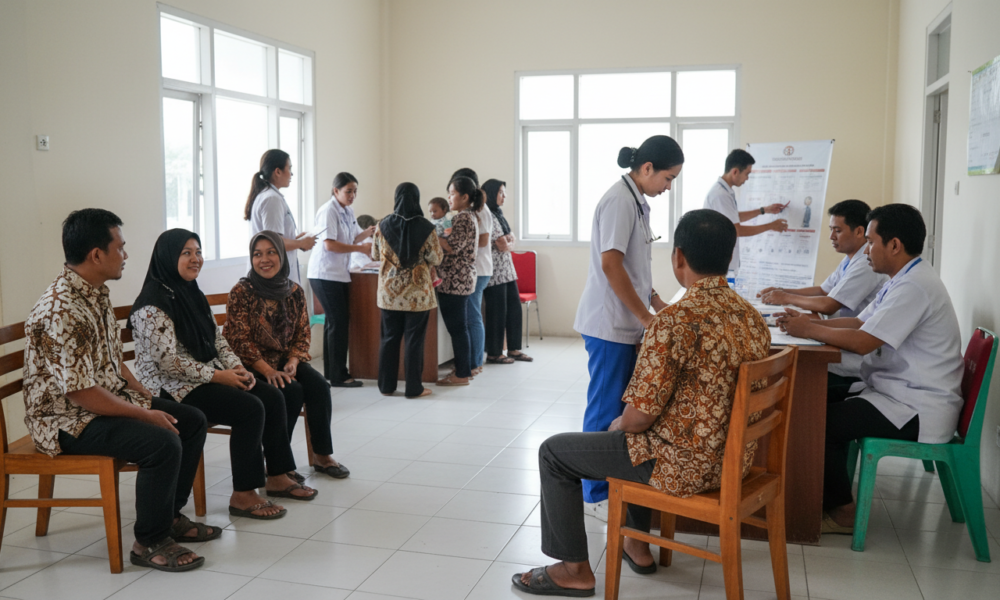
Indonesia has stepped up its preparedness against health emergencies by conducting a large scale regional simulation exercise aimed at strengthening disease detection, coordination and response systems.
The exercise, organised with technical support from the World Health Organization, brought together national and provincial health authorities, emergency responders, laboratories and partner agencies. It tested how quickly and effectively institutions can work together when faced with a potential outbreak that could spread across borders.
Designed around a realistic public health threat scenario, the drill focused on early warning signals, information sharing between regions, laboratory readiness, risk communication and decision making under pressure. Officials reviewed how surveillance data moves from local levels to national command structures, and how timely actions are triggered during the first critical hours of a health event.
Health authorities said the simulation highlighted both strengths and gaps in current systems. Key takeaways included the need for clearer coordination protocols between sectors, faster data flow across administrative boundaries, and stronger integration of regional response teams with national emergency operations.
WHO officials noted that such exercises are essential for translating preparedness plans into practical action. They stressed that regular simulations help countries identify weaknesses before real emergencies occur, especially in a geographically diverse country like Indonesia, where outbreaks can move rapidly between islands and provinces.
The Indonesian government reiterated its commitment to investing in preparedness as part of broader health security efforts. Lessons from the exercise will be used to refine response plans, update training programmes and improve coordination mechanisms, with the aim of ensuring faster and more unified action during future public health threats.
The simulation reflects a wider regional push to strengthen collective readiness, recognising that disease outbreaks do not respect borders and require coordinated responses at local, national and international levels.



No Comment! Be the first one.