








Artificial intelligence emerges as healthcare’s new operating core
Artificial intelligence is steadily moving from the margins to the centre of modern healthcare, reshaping how systems diagnose disease, manage hospitals, and deliver care. Once used largely for...

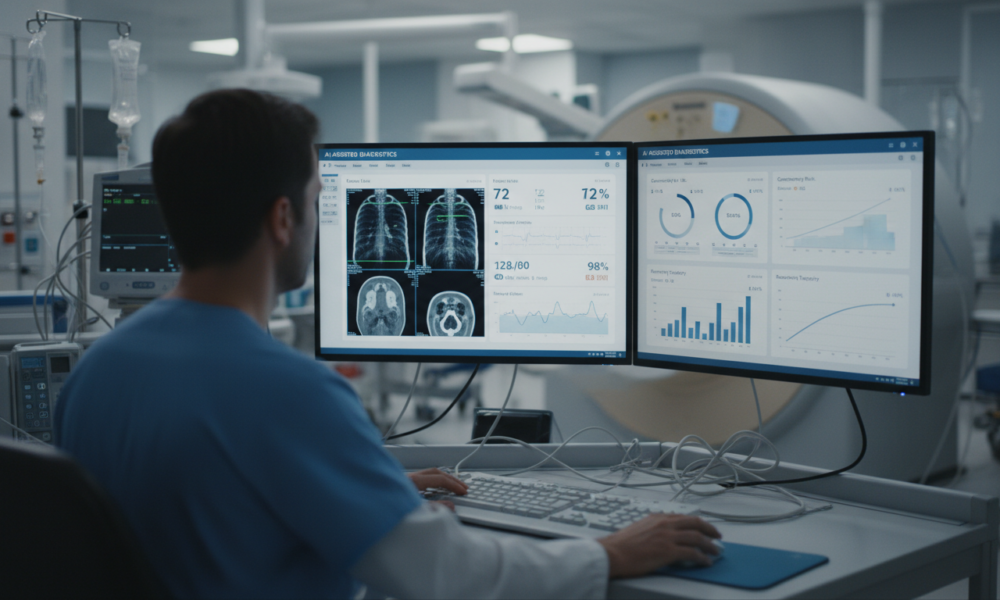
Artificial intelligence is steadily moving from the margins to the centre of modern healthcare, reshaping how systems diagnose disease, manage hospitals, and deliver care. Once used largely for administrative support, data sorting, or narrow diagnostic tasks, AI tools are now being positioned as the connective tissue linking patients, clinicians, laboratories, insurers, and public health systems.
Across hospitals and clinics, AI-driven platforms are helping doctors read scans faster, flag early signs of disease, and personalise treatment plans. Algorithms trained on large clinical datasets are being deployed to detect cancers, cardiac conditions, and neurological disorders at earlier stages, often with accuracy comparable to specialist clinicians. Supporters argue that such tools can ease pressure on overburdened health systems, especially in countries facing shortages of trained medical professionals.
Beyond the clinic, AI is being used to streamline hospital operations. Predictive systems help manage bed occupancy, optimise staff deployment, and forecast supply needs for medicines and equipment. Health insurers and administrators are also adopting AI to reduce paperwork, speed up claims processing, and identify patterns of waste or fraud.
The push has been accelerated by the rapid growth of electronic health records and wearable devices, which generate vast volumes of patient data. AI systems can analyse this information in real time, enabling continuous monitoring of chronic conditions and alerting doctors before complications arise. Telemedicine platforms, combined with AI-based triage tools, are extending access to care in remote and underserved regions.
Yet the growing reliance on AI has raised concerns. Questions around data privacy, algorithmic bias, and accountability remain unresolved. Medical experts warn that AI systems trained on limited or skewed datasets could reinforce existing inequalities in healthcare delivery. Regulators are also grappling with how to certify and monitor AI tools that learn and evolve over time.
Despite these challenges, the direction of travel is clear. Governments, hospitals, and technology firms are investing heavily in AI-led health systems, viewing them as essential to coping with ageing populations, rising costs, and the growing burden of chronic disease. For proponents, AI is no longer just another digital aid, but a foundational layer shaping how modern healthcare functions.
As health systems adapt, the task for policymakers and clinicians will be to ensure that AI strengthens, rather than supplants, human judgement, while remaining transparent, safe, and accessible to all.







No Comment! Be the first one.