





AI as a Force Multiplier: Soumya Swaminathan Calls for Smarter Deployment in Underserved Healthcare Regions
Artificial intelligence could play a decisive role in improving access to quality healthcare in parts of India where medical specialists remain scarce, public health expert Soumya Swaminathan has...

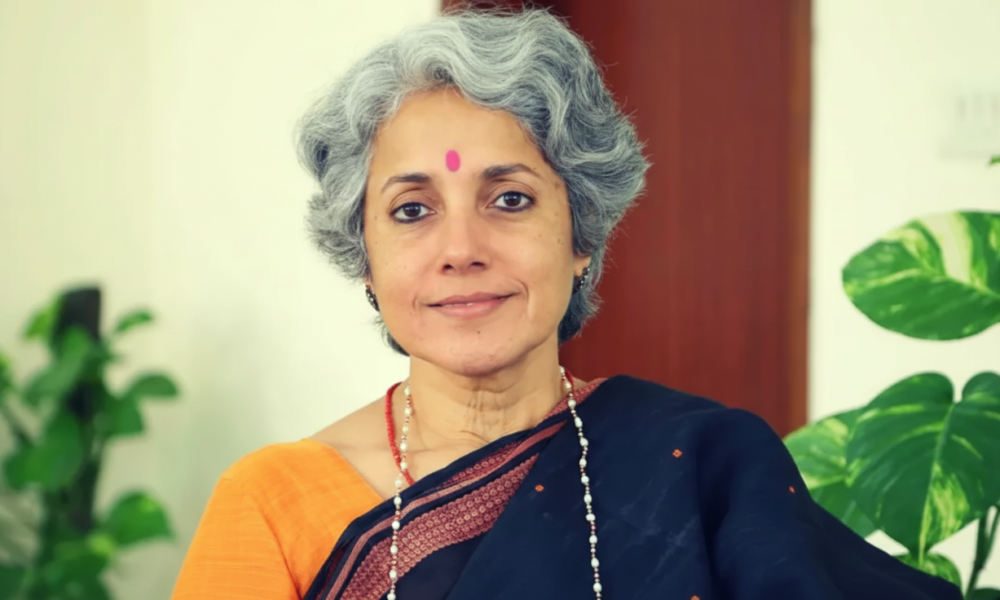
Artificial intelligence could play a decisive role in improving access to quality healthcare in parts of India where medical specialists remain scarce, public health expert Soumya Swaminathan has said. She has emphasised that digital technologies, when built around strong public systems and guided by clear regulation, can support frontline health workers and expand specialist-level services to remote populations.
India’s healthcare system continues to face an uneven distribution of expertise. Urban centres house advanced hospitals with super-specialists, while many rural districts struggle to recruit and retain trained professionals. Radiologists, oncologists, psychiatrists and cardiologists are often concentrated in metropolitan areas, leaving smaller towns dependent on referrals and overburdened district hospitals.
Swaminathan has argued that artificial intelligence tools can help address this imbalance by assisting with screening, early diagnosis and risk assessment. These systems are designed to analyse large volumes of medical data in seconds, highlighting patterns that might otherwise take longer to detect. In areas where specialists are limited, such tools can help bridge the gap between demand and availability.
For instance, AI-powered diagnostic platforms can examine X-rays or retinal images and flag potential abnormalities. A health centre without a resident radiologist can upload images to a secure platform, receive a preliminary assessment and refer only high-risk cases to tertiary hospitals. This reduces delays and ensures that specialist time is reserved for complex cases.
Tuberculosis screening presents a clear example. AI algorithms trained on chest X-ray data can identify suspected TB cases quickly, allowing early intervention. Similar approaches are being used for diabetic retinopathy, cervical cancer and other conditions where timely detection makes a significant difference in outcomes.
Swaminathan has stressed that artificial intelligence should not replace doctors. Instead, it should act as a clinical decision-support system. Medical professionals remain responsible for interpreting results, considering patient history and making final treatment decisions. Technology can enhance capacity, but human judgment remains central.
India’s digital health initiatives provide a foundation for such expansion. The National Health Authority has been overseeing the rollout of digital health IDs and interoperable records under the Ayushman Bharat Digital Mission. With structured and anonymised data, AI systems can generate population-level insights that inform public health planning while safeguarding individual privacy.
Telemedicine platforms, which expanded rapidly during the pandemic, demonstrated how digital tools can reduce geographical barriers. AI can build on this progress by triaging cases before consultations. A patient entering symptoms into a mobile application can receive guidance on whether to seek immediate care or schedule a routine visit.
Swaminathan has highlighted maternal and child health as another area where predictive analytics can make a difference. By analysing blood pressure trends, haemoglobin levels and previous pregnancy outcomes, algorithms can identify women at higher risk of complications. Early referral to district hospitals can prevent avoidable emergencies.
Despite the promise, she has cautioned that technology must be introduced with care. Algorithms trained on limited or biased datasets may produce inaccurate results for certain communities. India’s diversity requires data drawn from varied populations to ensure reliability across regions and demographic groups.
Infrastructure gaps present another challenge. Reliable internet connectivity, stable electricity supply and trained personnel are prerequisites for effective deployment. In several remote areas, these basics are still evolving. Without them, digital tools may remain underutilised.
Training healthcare workers to understand AI outputs is also essential. Nurses and medical officers should know how to interpret system-generated alerts and recognise their limitations. Overreliance on automated suggestions without clinical evaluation could create new risks.
Data protection remains a central concern. Health records contain sensitive information that must be handled with strict safeguards. Encryption, informed consent protocols and transparent governance frameworks are necessary to build public trust. Swaminathan has maintained that without trust, digital health adoption will stall.
Cost considerations cannot be ignored. While AI tools may reduce long-term expenses by preventing advanced disease and cutting unnecessary referrals, initial deployment requires investment in hardware, software and training. Public-private partnerships may help distribute costs and accelerate adoption, provided oversight mechanisms remain strong.
India’s technology sector offers opportunities for home-grown solutions tailored to local needs. Collaboration between academic institutions, hospitals and start-ups can lead to context-specific tools designed for regional disease burdens. Such models may prove more effective than importing systems developed for different healthcare environments.
Regulatory clarity will shape the pace of adoption. Clear standards for validation, approval and monitoring of AI-based medical devices are required. Transparent evaluation frameworks will encourage responsible development while protecting patient safety.
Swaminathan has framed artificial intelligence as a multiplier rather than a substitute. In districts with a single specialist serving thousands, digital support can expand reach and improve responsiveness. A primary health centre equipped with AI-assisted screening tools can function more effectively, reducing strain on tertiary hospitals.
The broader objective is equitable access. Specialist knowledge should not be limited to large cities. If supported by reliable infrastructure and ethical oversight, artificial intelligence can help bring advanced diagnostic capabilities closer to communities that have historically lacked them.
India stands at a critical juncture. Investments in digital health, combined with expanding medical education and infrastructure growth, create an environment where AI can be embedded thoughtfully. The focus must remain on strengthening primary care, training personnel and maintaining accountability.
The debate is no longer about whether artificial intelligence will influence healthcare. It is about how to ensure that it serves public health priorities and reduces disparities. With careful planning, inclusive data practices and sustained capacity building, AI can help extend specialist-level support to the country’s most underserved regions.
Healthcare leaders, policymakers and technology developers now face a shared responsibility: to translate potential into measurable impact. If guided by evidence and equity, artificial intelligence could become a practical tool in India’s effort to deliver timely, high-quality care to every district.




No Comment! Be the first one.