





Budget 2026 Bets Big on Domestic Biopharma, Medical Tourism and Affordable Medicines
The Union Budget 2026-27 places healthcare squarely within India’s industrial growth strategy, moving beyond incremental welfare spending to a more structural push towards pharmaceutical...


The Union Budget 2026-27 places healthcare squarely within India’s industrial growth strategy, moving beyond incremental welfare spending to a more structural push towards pharmaceutical manufacturing, medical tourism and workforce expansion.
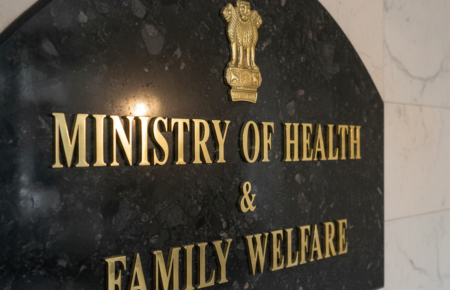
With an allocation of ₹1.05 lakh crore for the Ministry of Health and Family Welfare, the government has attempted to balance fiscal restraint with targeted interventions that strengthen capacity, reduce import dependence and expand access to critical therapies.
At the centre of this shift is the launch of Biopharma SHAKTI, a ₹10,000-crore, five-year programme aimed at building India into a global biopharmaceutical manufacturing hub. The scheme focuses on creating large-scale manufacturing infrastructure, strengthening R&D capabilities, and developing a specialised talent pool for complex biologics and advanced therapeutics.
Officials said the programme is designed to position Indian firms deeper inside global pharmaceutical value chains, especially in biosimilars, vaccines, cell and gene therapies, and advanced APIs. The move also complements the government’s earlier production-linked incentive framework for bulk drugs and medical devices.
To lower treatment costs, the Budget has removed customs duties on a selected list of cancer drugs and medicines used for rare diseases. Industry estimates suggest this could reduce retail prices of certain therapies by 10-20 percent, directly impacting affordability for patients who rely on imported formulations.
Another significant announcement is the plan to establish five regional medical hubs to promote India as a destination for medical tourism. These hubs will integrate tertiary hospitals, diagnostics, research institutions and hospitality infrastructure, enabling foreign patients to access end-to-end treatment ecosystems.
Human resource expansion forms a parallel pillar of the health strategy. The government has announced the addition of around one lakh allied health professionals and training for 1.5 lakh caregivers over the next few years. The focus will be on paramedics, lab technicians, radiographers, physiotherapists and emergency care personnel, addressing persistent manpower gaps in both public and private facilities.
The AYUSH sector also receives a fresh push with the proposal to establish new All India Institutes of Ayurveda, signalling continued institutionalisation of traditional medicine education and research.
Taken together, Budget 2026 marks a departure from a purely consumption-led healthcare approach towards a manufacturing-plus-services health economy, where India aims to be a global supplier of medicines while simultaneously expanding domestic access.
For investors, pharmaceutical companies, hospital chains and healthcare startups, the message is clear: healthcare is no longer just social infrastructure. It is now a strategic economic sector.





No Comment! Be the first one.