





Chennai Steps Up Bird Flu Vigil After H5N1 Detected in Dead Crows, Human Risk Kept Under Watch
Chennai is on high alert after laboratory tests confirmed more than 1,500 dead crows were positive for the highly pathogenic H5N1 bird flu virus, prompting officials to tighten surveillance and take...

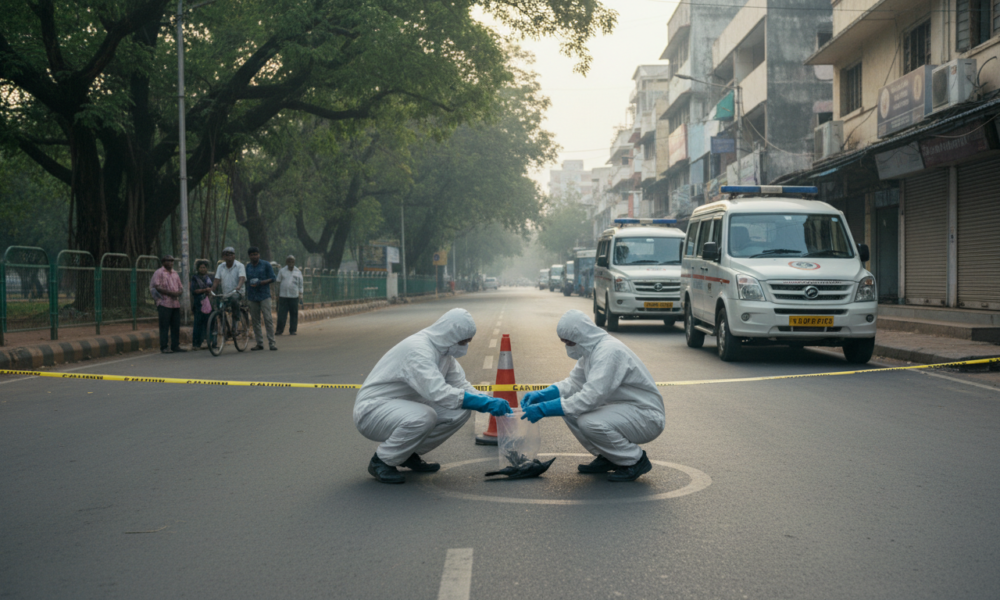
Chennai is on high alert after laboratory tests confirmed more than 1,500 dead crows were positive for the highly pathogenic H5N1 bird flu virus, prompting officials to tighten surveillance and take precautionary public health actions. The development has sparked concern across urban and peri-urban zones, including Adyar, Velachery, Thiruvanmiyur and Old Mahabalipuram Road, where clusters of dead birds were first reported late last month.
Health and animal husbandry departments in Tamil Nadu have stepped up monitoring of wild bird populations and domestic poultry, and have activated disease control protocols to prevent further spread among birds and, in rare instances, to animals or humans. The Union government has urged the state to strengthen biosecurity, restrict bird movements in affected areas, and enforce rapid response systems for unusual bird deaths. Residents have been advised to report unexplained bird mortality immediately to local authorities.
Officials have stressed the importance of safe disposal of carcasses, deep burial or incineration of dead birds, and the need for protective equipment for workers at risk. Routine disinfection, restricted access to bird habitats, and alert transmission of data between wildlife, veterinary and public health teams are central to the response strategy.
Risk to Humans Remains Low but Vigilance Urged
Health authorities have reassured the public that there are no confirmed human cases related to the Chennai outbreak so far, and that the current risk remains low for the general population. Human infection with H5N1 typically occurs only through direct exposure to infected birds, their secretions or droppings without appropriate protection, and sustained human-to-human transmission has not been observed.
Public health advisories stress that individuals who handle poultry or come into contact with sick or dead birds should wear gloves and wash hands thoroughly, seek medical advice if they develop influenza-like symptoms such as fever, sore throat, cough or body pain, and avoid consumption of undercooked poultry products. Health monitoring has been intensified in clinics and hospitals to quickly identify any potential influenza cases linked to exposure.
Veterinary experts continue to coordinate with wildlife and human health officials under a One Health framework to monitor the situation, strengthen surveillance at poultry farms and urban bird habitats, and prevent escalation of the outbreak. The public has been asked to remain calm, follow official safety guidance, and support reporting efforts that can help contain the virus and safeguard both animal and human health in the region.






No Comment! Be the first one.