





India’s Deepening Urban–Rural Faultline in Women’s Mental Health
The growing divergence between urban and rural India is no longer confined to income, infrastructure or education — it is now starkly visible in women’s mental health. Emerging analyses indicate that...

The growing divergence between urban and rural India is no longer confined to income, infrastructure or education — it is now starkly visible in women’s mental health. Emerging analyses indicate that while metropolitan and tier-one cities are witnessing measurable progress in awareness, early intervention and access to mental healthcare services, vast stretches of rural India continue to struggle with inadequate support systems, stigma and structural neglect.
Urban centres have benefitted from increased public discourse around anxiety, depression and trauma, alongside a gradual expansion of counselling services, psychiatric care facilities and digital mental health platforms. Corporate wellness initiatives, school-based counselling, social media advocacy and private healthcare investments have further normalised conversations around psychological well-being among women in cities.
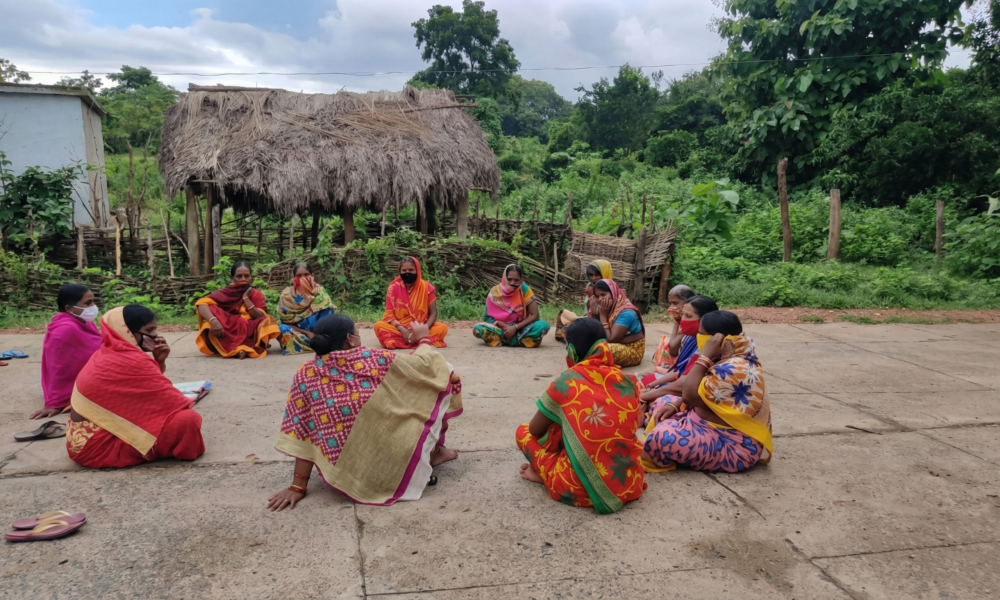
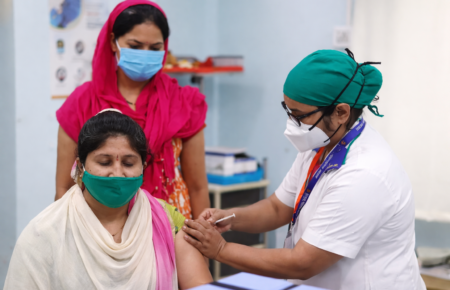
In contrast, rural women remain disproportionately underserved. Access to trained mental health professionals is limited, primary healthcare systems are overburdened, and community-level awareness remains low. Deep-rooted stigma, patriarchal constraints and economic dependency compound the challenge, often preventing women from seeking help even where minimal services exist. Support frameworks — whether institutional, legal or social — remain fragmented and under-resourced outside urban clusters.
The widening gap underscores a systemic imbalance rather than an isolated service deficit. Without targeted outreach, decentralised mental health infrastructure and culturally responsive community engagement, the divide risks becoming entrenched. The analysis calls for structural reforms that move beyond awareness campaigns to sustained investment in rural mental health delivery, integration of services within primary healthcare, and policy measures that recognise women’s mental health as both a public health and social justice priority.
As India advances technologically and economically, the persistence of such disparities serves as a reminder that development, when uneven, can deepen existing inequities rather than resolve them.






No Comment! Be the first one.