





India’s Health Insurance Sector Falls Short of China in Tailored Coverage Despite Robust Digital Adoption, New Report Shows
New Delhi: India’s health insurance industry, while exhibiting commendable strides in digital adoption and service expansion, still lags significantly behind China in offering customised solutions...


New Delhi: India’s health insurance industry, while exhibiting commendable strides in digital adoption and service expansion, still lags significantly behind China in offering customised solutions for large corporate clients, according to a report released on March 2.
The analysis, compiled by global risk advisory firm Aon, highlights a widening capability gap in how insurers tailor health and wellbeing benefits to meet the specific needs of employers with sizeable workforces. Only about half of Indian insurers surveyed currently provide customised health insurance plans to organisations with more than 1,000 employees – a stark contrast to the 92 per cent reported in China.
The findings underscore a broader challenge within India’s healthcare financing ecosystem: rapid digitalisation has not yet translated into equally robust product innovation or meaningful impact on outcomes for employers and policyholders. While the adoption of telehealth and virtual care services is soaring, with as many as 83 per cent of insurers now offering such options, the financial benefits in terms of reduced outpatient claims remain modest.
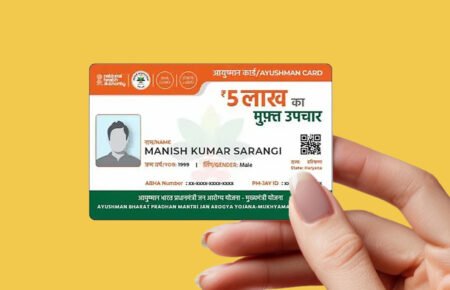
Industry sources said the disparity points to structural hurdles. Despite widespread digital tools—enabled in part by national initiatives such as the Ayushman Bharat Digital Mission, which aims to create interoperable digital health records and expand access to technology-enabled care—insurers appear constrained by costs, regulatory complexity and uneven awareness among corporate buyers.
Commenting on the report, Susan Fanning, Head of APAC Wellbeing Solutions at Aon, observed that “India’s health insurance market is at a pivotal inflection point,” with rising expectations from both employers and employees. She emphasised the need for insurers to deepen their analytical capabilities, build stronger partnerships and innovate beyond basic digital offerings to deliver measurable value while managing escalating costs.
The report also noted a mixed picture on utilisation: though 40 per cent of insurers achieved engagement rates above the 30 per cent mark, only about one-third could report tangible cost savings from digital health interventions, with average outpatient claims reductions remaining in the low single digits.
As India’s corporate landscape becomes increasingly health-conscious and competitive, stakeholders say that bridging the customisation gap with global peers will be critical. Without more sophisticated, data-driven products that align benefits with specific workforce health needs, insurers risk under-serving clients at a time when healthcare costs and chronic disease burdens are rising sharply.








No Comment! Be the first one.