








Lead traces found in common vegetables in Bengaluru study, raising fresh food safety concerns
A study conducted in Bengaluru has flagged the presence of lead in several commonly consumed vegetables, prompting renewed concern about food safety and the quality of produce reaching urban markets....

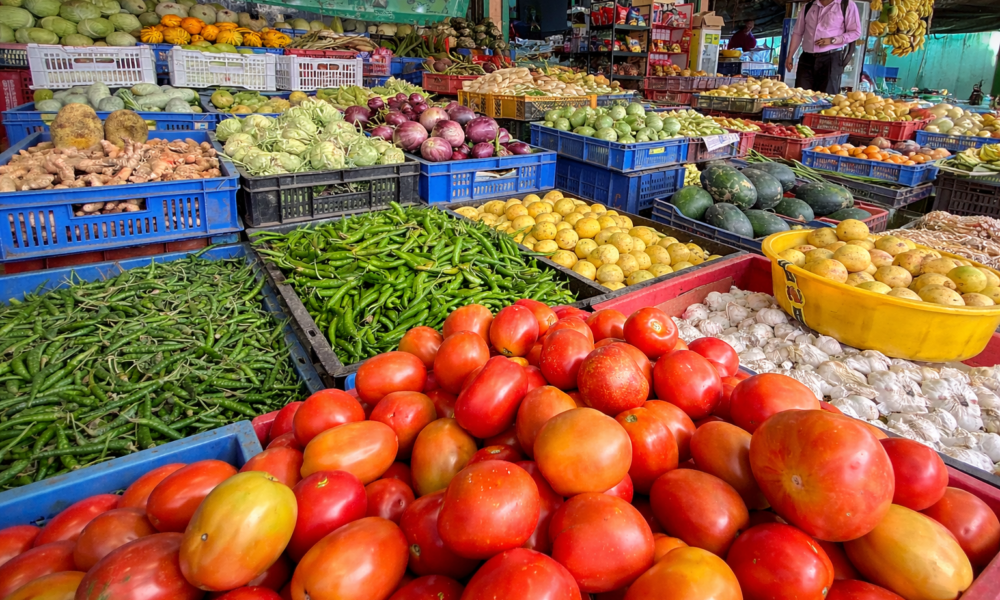
A study conducted in Bengaluru has flagged the presence of lead in several commonly consumed vegetables, prompting renewed concern about food safety and the quality of produce reaching urban markets.
Researchers examining vegetable samples collected from local markets found measurable levels of the toxic heavy metal in items that form part of everyday diets. The findings have triggered calls for closer scrutiny of farming practices, soil quality and water used in cultivation.
Lead exposure, even in small quantities over a prolonged period, is known to pose serious health risks. Medical experts warn that it can damage the nervous system, affect kidney function and hinder cognitive development in children. Because the metal accumulates in the body, repeated exposure through contaminated food could gradually increase health risks.
The study suggests that contamination may be linked to polluted soil, the use of untreated wastewater for irrigation or the excessive use of certain pesticides and fertilisers. Rapid urban expansion around agricultural belts has also raised concerns about industrial pollutants entering the food chain.
Public health specialists say the findings highlight the need for systematic monitoring of vegetables sold in markets and stronger enforcement of food safety standards. They have urged authorities to regularly test produce, identify contaminated supply sources and support farmers in adopting safer cultivation practices.
With vegetables forming a staple component of daily meals across India, experts say ensuring their safety must remain a priority for regulators and local administrations.








No Comment! Be the first one.