




More than Eight in Ten Indians Express Deep Concern Over Rising Medical Costs and Insurance Protection
A new nationwide survey has revealed that a significant majority of Indian households are seriously worried about escalating healthcare costs and the ability of their insurance cover to protect...

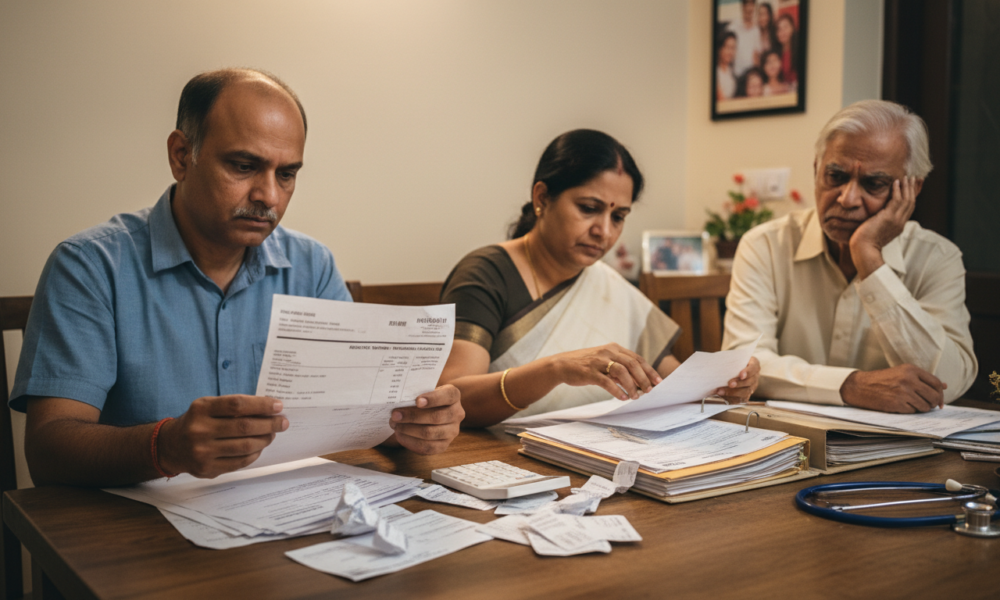
A new nationwide survey has revealed that a significant majority of Indian households are seriously worried about escalating healthcare costs and the ability of their insurance cover to protect against major health shocks. The study, commissioned by Aditya Birla Sun Life Insurance and released in February 2026, shows that 82 percent of respondents across urban and semi-urban India view rising medical expenses as a critical threat to their financial stability.
Conducted in partnership with Drshti Strategic Research Services, the survey measured perceptions of health risk, financial security, and insurance preparedness. Respondents cited hospital bills, treatment costs, and long-term medical inflation as their primary concerns, reflecting widespread anxiety over the future burden of healthcare expenditures.
The data indicates that sudden medical emergencies are no longer regarded as rare events. A large proportion of Indians expect such emergencies to disrupt household budgets, with 82 percent highlighting emergency risk as a major worry. Despite this, confidence in existing health coverage remains low. Nearly 79 percent of those surveyed said they are unsure if their current policies would offer sufficient protection in the event of a serious illness.
Financial vulnerability is also evident in attitudes toward emergency savings. Around 80 percent of respondents reported a lack of confidence in their ability to meet even short-term healthcare costs through existing savings, raising concern that many families would need to tap personal funds or resort to borrowing during a health crisis.
Environmental health concerns are further amplifying anxiety. Some 81 percent of participants said they expect pollution levels to deteriorate in the future, and many linked this to a potential increase in medical expenditure. Survey respondents indicated that this perception is prompting a shift in household priorities toward preventive care, enhanced insurance cover, and dedicated healthcare savings.
Financial planners responding to the findings have recommended that households adopt a more structured approach to health-related financial planning. This includes upgrading insurance policies to reflect current treatment costs, establishing dedicated medical emergency funds covering six to 12 months of expenses, and periodically reviewing coverage to align with changing health and income profiles.
The survey results highlight the gap between awareness of healthcare risks and practical preparedness, underscoring a pressing need for more robust financial resilience among Indian families amid rising medical inflation and environmental health challenges.




No Comment! Be the first one.