




Prevention Push: ESIC’s Mid-Life Health Screenings and Centre’s HPV Vaccine Plan Signal Shift Towards Early Intervention
In a significant recalibration of India’s public health priorities, two parallel initiatives — one targeting insured workers in mid-life and the other adolescent girls — underline a growing policy...

In a significant recalibration of India’s public health priorities, two parallel initiatives — one targeting insured workers in mid-life and the other adolescent girls — underline a growing policy emphasis on preventive care over reactive treatment.
The Employees’ State Insurance Corporation (ESIC) has rolled out annual health check-ups for insured workers aged 40 and above across its network of facilities nationwide. The programme is aimed squarely at early detection of lifestyle and age-related conditions — including diabetes, hypertension, cardiovascular disease and other non-communicable illnesses that typically surface during middle age. By institutionalising routine screening, ESIC seeks to reduce long-term disease burden, lower treatment costs, and improve workforce productivity through timely medical intervention.
Public health experts have long argued that India’s healthcare system remains disproportionately weighted towards tertiary care, often intervening only after disease progression. ESIC’s structured screening framework attempts to address this gap by embedding preventive diagnostics within an existing social insurance mechanism that serves millions of workers and their families.
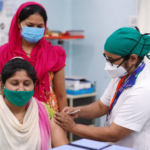
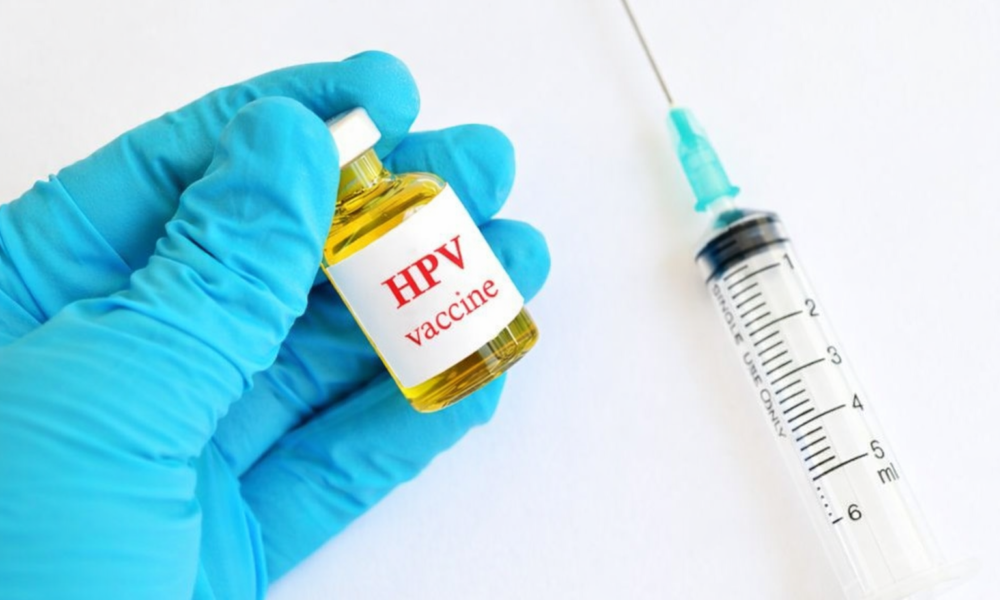
Simultaneously, the Centre has signalled plans to introduce free Human Papillomavirus (HPV) vaccination for girls under the National Immunisation Programme. The move, once operationalised, would mark a decisive step in India’s fight against cervical cancer — one of the leading causes of cancer-related deaths among women in the country.
HPV vaccination has been globally recognised as a cost-effective and evidence-backed intervention capable of significantly reducing cervical cancer incidence when administered before exposure to the virus. By integrating it into the national immunisation architecture, the government aims to expand equitable access, particularly for girls from low-income and vulnerable communities who are otherwise less likely to receive the vaccine through private healthcare channels.
Taken together, the ESIC screening initiative and the proposed HPV vaccine rollout reflect a broader strategic shift: from episodic care to lifecycle-based preventive health planning. Whether these measures translate into measurable outcomes will depend on execution, awareness generation, and sustained funding — but the policy direction is unambiguous.






No Comment! Be the first one.