







When therapy turns DIY, Indians turn to AI chatbots for mental health guidance
Late at night, when anxiety spikes or sleep refuses to come, many Indians are opening not a helpline or a clinic appointment app, but an artificial intelligence chatbot. From managing stress and...

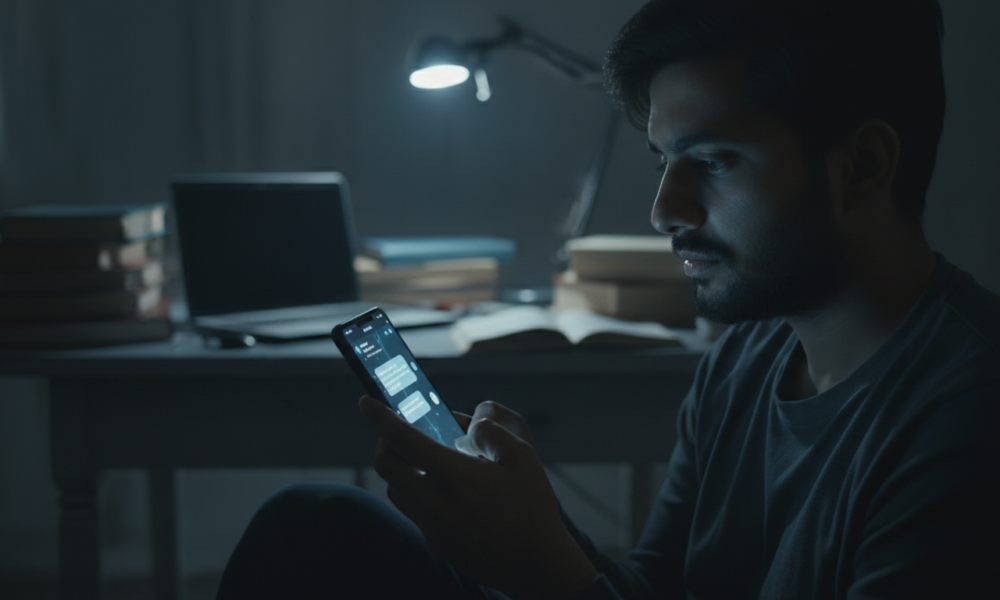
Late at night, when anxiety spikes or sleep refuses to come, many Indians are opening not a helpline or a clinic appointment app, but an artificial intelligence chatbot. From managing stress and loneliness to seeking advice on relationships and burnout, AI tools are quietly becoming a first stop for mental health support.
Users describe these interactions as private, judgment free, and available on demand. Unlike traditional therapy, which can be expensive, time consuming, or socially stigmatised, AI based conversations feel accessible and discreet. For some, the appeal lies in anonymity. For others, it is the simple fact that help appears to be available at any hour.
Mental health professionals acknowledge why this shift is happening. India faces a chronic shortage of trained counsellors and psychiatrists, particularly outside major cities. Long waiting periods and high consultation costs push many people to look for alternatives. AI chatbots, trained on large datasets and programmed to respond empathetically, step into this gap with ease.
Yet experts caution against mistaking these tools for therapy. AI systems do not possess clinical judgment and cannot diagnose conditions or respond to crises with the nuance required in real world settings. There is also concern about misinformation, over reliance, and data privacy, especially when users share deeply personal experiences.
Several psychologists point out that while AI may help users organise thoughts, practice mindfulness, or feel heard in moments of distress, it cannot replace professional care. The risk is greatest when individuals delay or avoid seeking human support for serious mental health conditions.
Technology companies maintain that such tools are meant to complement, not substitute, mental health services. Platforms like OpenAI emphasise that systems such as ChatGPT are designed to offer general guidance and encourage users to seek qualified help when needed.
As India grapples with rising mental health needs, the popularity of DIY therapy through AI reflects both a gap in the system and a changing attitude towards care. The challenge for policymakers and professionals is to ensure that digital tools are used responsibly, while expanding access to trained human support.





No Comment! Be the first one.