


World Cancer Day 2026: Four in ten cases preventable, but awareness and early diagnosis still lag
On World Cancer Day 2026, health experts flagged a stark paradox in the global fight against cancer. While close to 40 percent of cancer cases could be prevented through known public health measures,...

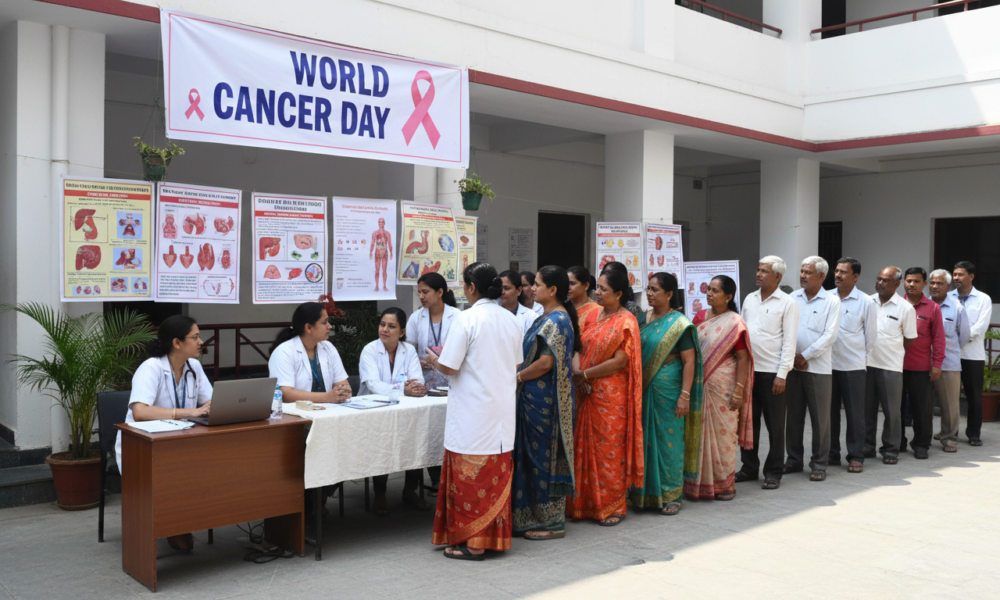
On World Cancer Day 2026, health experts flagged a stark paradox in the global fight against cancer. While close to 40 percent of cancer cases could be prevented through known public health measures, lack of awareness, delayed diagnosis, and uneven access to care continue to undermine outcomes, doctors and global agencies warned.
The World Health Organization has reiterated that a significant share of cancers can be avoided by addressing key risk factors such as tobacco use, harmful alcohol consumption, unhealthy diets, physical inactivity, and exposure to environmental pollutants. Vaccination against infections like human papillomavirus and hepatitis B also remains a proven preventive tool, particularly for cervical and liver cancers.
Despite this, clinicians point out that prevention and early detection have not translated into widespread action on the ground. Many patients still reach hospitals at advanced stages of the disease, sharply reducing survival chances and increasing the cost and complexity of treatment.
Doctors underline that early detection through regular screening can dramatically improve outcomes in common cancers such as breast, cervical, oral, and colorectal cancers. Simple, low-cost screening methods, when implemented at scale, can detect disease at stages where treatment is more effective and less invasive.
However, gaps in awareness remain a major hurdle. In several low- and middle-income countries, including India, social stigma, fear of diagnosis, misinformation, and limited access to screening facilities delay timely medical attention. Experts also note that symptoms are often ignored or misinterpreted, leading to further delays.
The WHO has called for stronger national cancer control programmes that prioritise prevention, screening, and early diagnosis alongside treatment. Public health messaging, community-level outreach, and integration of cancer screening into primary healthcare are seen as critical steps to close the gap between what is preventable and what actually gets prevented.
As the global community marks World Cancer Day, specialists stress that reducing the cancer burden is not solely a medical challenge but a public health responsibility. Translating scientific knowledge into sustained awareness, early action, and equitable care, they argue, is essential to ensure that preventable cancers do not continue to claim avoidable lives.


No Comment! Be the first one.