





12 Years of Ayushman Bharat: How Has It Changed Healthcare for Citizens?
The Government of India has been on a mission to make healthcare better, more affordable and more accessible to everyone. Over the past 12 years, major programmes such as Ayushman Bharat have...
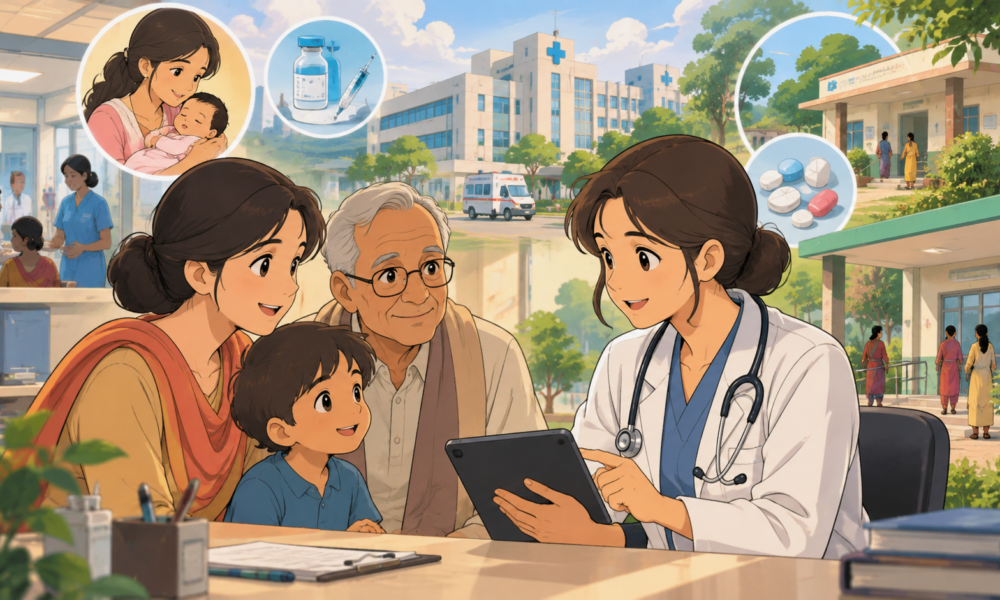
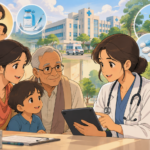
The Government of India has been on a mission to make healthcare better, more affordable and more accessible to everyone. Over the past 12 years, major programmes such as Ayushman Bharat have provided low-income families and citizens with health insurance of up to ₹5 lakh per year, helping millions access cashless hospital care across tens of thousands of hospitals. Local neighbourhood healthcare centres, such as Ayushman Arogya Mandirs, have also been established across the country to provide free primary check-ups and healthcare closer to home. Additionally, India’s digital healthcare system now connects health records and identification numbers online, making it easier for patients to visit doctors and share their medical histories.
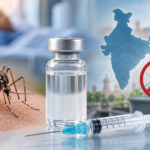
Mothers and children have also benefited from improved healthcare services, including safer institutional deliveries, more regular health check-ups during pregnancy and free vaccinations for newborns and pregnant women against several dangerous diseases.
Diseases such as tuberculosis (TB) and malaria have declined significantly due to improved testing, the free distribution of medicines, and nationwide cleanliness and disease-prevention campaigns.
At the same time, specialised clinics and screening programmes now help detect common health conditions such as diabetes, high blood pressure and cancer at an earlier stage, allowing them to be treated more quickly and effectively.
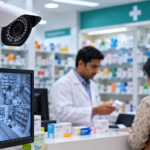
To reduce medical costs, the Ayushman Bharat programme has supported the expansion of Jan Aushadhi stores across the country, offering generic medicines and essential drugs at discounts of up to 50% to 90%. Public hospitals also provide free laboratory tests and X-rays.
Additionally, online doctor consultation services and telephone helplines allow people to speak to healthcare professionals from their homes, while drones are increasingly being explored and used to deliver medicines and medical supplies to remote regions.
Finally, to ensure that the country has enough medical professionals, the Government has expanded the number of medical colleges and established new AIIMS institutions, adding thousands of new seats for medical and nursing education. Traditional Indian systems of medicine, such as Ayurveda and Yoga, have also been integrated more closely with the broader healthcare system through dedicated centres and digital networks, giving people more options for maintaining their health and wellbeing.
No Comment! Be the first one.