








Climate Change and Brain Infections: National Study Examines Emerging Public Health Risks in India
Nagpur: As climate volatility intensifies across India, a new multi-institutional research initiative is turning its attention to a less examined consequence, the possible link between environmental...


Nagpur: As climate volatility intensifies across India, a new multi-institutional research initiative is turning its attention to a less examined consequence, the possible link between environmental change and neurological infections.
The Central India Institute of Medical Sciences has joined the national research project CLIMB-INDIA, which seeks to investigate how rising temperatures, shifting rainfall patterns and escalating air pollution may influence the incidence and severity of brain infections such as meningitis and encephalitis.
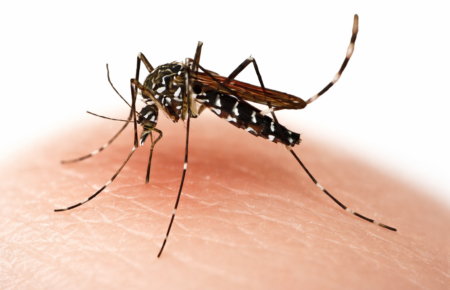
Researchers involved in the study aim to analyse epidemiological data alongside environmental indicators, attempting to map whether climate stressors create conditions favourable for pathogens or alter human vulnerability. Scientists note that vector behaviour, water contamination and air quality may all play a role in shaping infection trends.
The initiative reflects a growing recognition that climate change is not merely an environmental crisis but an evolving public health challenge. By examining neurological infections through a climate lens, investigators hope to inform surveillance systems, preparedness strategies and policy responses.
As India grapples with both extreme weather events and recurring infectious disease outbreaks, the study underscores the need to integrate climate science into mainstream health planning.







No Comment! Be the first one.