






Punjab sharpens dengue strategy, bets on community-led surveillance
Chandigarh: With summer approaching and the annual spike in vector-borne diseases not far behind, Punjab has moved to tighten its dengue prevention strategy, placing communities at the centre of its...

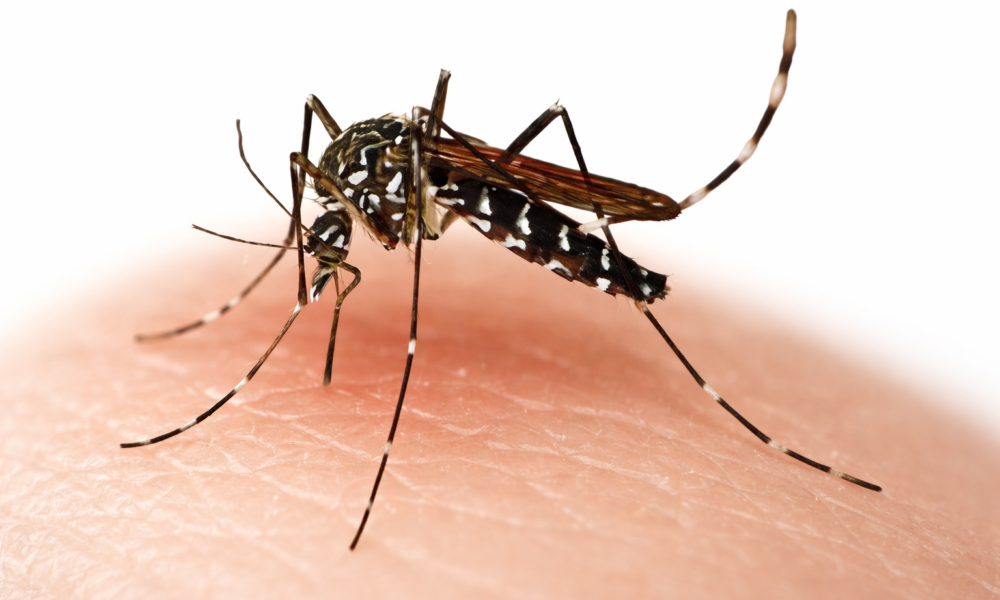
Chandigarh: With summer approaching and the annual spike in vector-borne diseases not far behind, Punjab has moved to tighten its dengue prevention strategy, placing communities at the centre of its response.
The state health department has expanded its campaign beyond routine fogging and larvicidal measures, adopting a broader “One Health” approach that links human, animal and environmental factors. Officials say the focus this year is on sustained local surveillance rather than reactive containment.
Schools, transport hubs and densely populated neighbourhoods have been identified as priority zones. Local bodies have been tasked with eliminating stagnant water sources, while field teams are being deployed to monitor breeding sites in both urban and rural pockets. The use of larvivorous fish in water bodies is also being scaled up in select districts.
Data from the past few years appears to have informed this shift. Dengue cases in the state have declined significantly from over 23,000 in 2021 to under 5,000 in 2025, with a corresponding drop in fatalities. Health officials attribute this to improved tracking systems and early intervention, though they caution against complacency.
What marks a departure this year is the emphasis on real-time reporting and decentralised action. The state is strengthening its disease surveillance network, enabling quicker identification of clusters and faster response at the local level. Village committees and urban resident groups are being encouraged to report potential breeding sites, signalling a move towards shared responsibility.
Public health experts note that such integration is necessary in states like Punjab, where rapid urbanisation and changing climate patterns have altered disease dynamics. The challenge, they say, lies in maintaining vigilance beyond peak season and ensuring coordination across departments.
For now, the administration appears to be betting on a simple premise: that sustained community participation, backed by data-driven monitoring, can keep dengue in check before it escalates into a seasonal crisis.






![India is facing a complex nutrition challenge, with overweight and obesity increasing while below-normal BMI remains a concern, according to findings from the latest National Family Health Survey, NFHS-6. The findings highlight what researchers and public-health experts describe as a dual burden of malnutrition, where undernutrition and excess weight exist within the same population. A report on the NFHS-6 findings published this week said the decline in below-normal BMI has stalled while overweight and obesity rates continue to rise. ([The Times of India][4]) The development is significant because nutrition problems are no longer limited to one side of the spectrum. Being underweight can be associated with inadequate nutrition and other health challenges, while overweight and obesity are associated with increased risks of several non-communicable diseases. The coexistence of these conditions creates a complicated public-health situation. Changing lifestyles are one factor highlighted in the discussion around rising overweight levels. Increasingly sedentary routines and greater dependence on digital activities can reduce physical activity. At the same time, access to adequate and nutritious food remains uneven across communities. This means India's nutrition challenge cannot be addressed through a single intervention. Public-health strategies need to consider both adequate nutrition and the prevention of unhealthy weight gain. The findings also demonstrate why national health surveys are important. Large-scale surveys help governments and researchers understand how health indicators are changing across populations. For individuals, the figures reinforce the importance of looking beyond weight alone. A person's health is influenced by diet quality, physical activity, sleep, medical conditions and other factors. The dual burden also creates challenges for healthcare systems. Doctors and public-health workers may need to address undernutrition in some populations while simultaneously dealing with increasing rates of overweight and obesity in others. The NFHS-6 findings therefore point towards a more complicated nutrition landscape in India. Instead of treating malnutrition as only a problem of inadequate food, public-health planning increasingly has to account for both nutritional deficiency and excess calorie consumption.](https://xhealth.onextelcommunication.com/wp-content/uploads/2026/09/ChatGPT-Image-Sep-23-2026-06_37_19-PM-450x290.png "India Faces Dual Nutrition Challenge as Overweight and Underweight Persist")

No Comment! Be the first one.