








AI Could Bridge Specialist Gaps in Rural Healthcare, Says Somya Swaminathan
Artificial intelligence, if deployed with care and public accountability, holds the potential to transform healthcare access in regions long underserved by specialist services, former WHO Deputy...

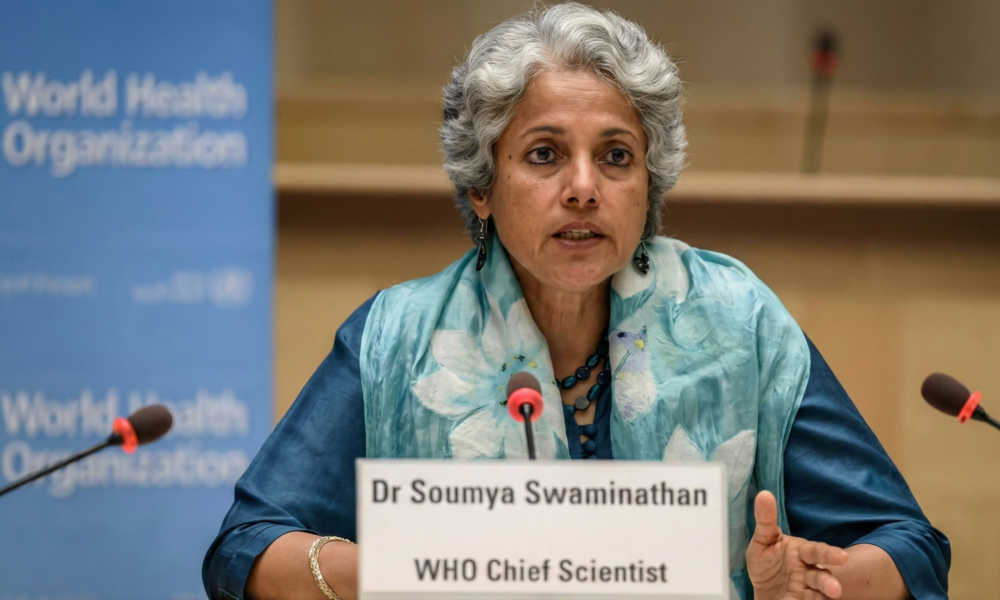
Artificial intelligence, if deployed with care and public accountability, holds the potential to transform healthcare access in regions long underserved by specialist services, former WHO Deputy Director-General Somya Swaminathan has said.
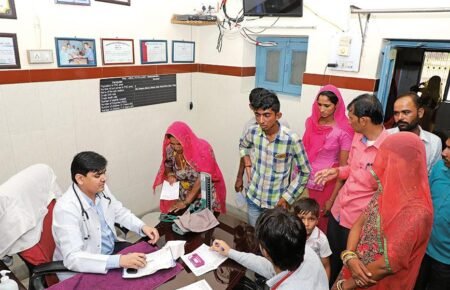
Highlighting the structural inequities in India’s health system, Swaminathan pointed to the chronic shortage of specialists in rural and remote areas, where patients often travel long distances for basic diagnostic consultations. In such settings, AI-enabled tools — from diagnostic support systems to telemedicine interfaces — could significantly narrow the access gap.
She underscored that artificial intelligence can aid early diagnosis, particularly in conditions where timely detection determines outcomes. By assisting frontline health workers and primary care physicians with decision-support systems, AI could help identify diseases at earlier stages, reducing both patient burden and systemic costs. Remote care delivery, enabled through digital platforms, was also cited as a critical area where AI can strengthen outreach in geographically isolated communities.
However, the promise of technology, she implied, must be matched by responsible deployment. For AI to genuinely improve healthcare equity, it must be integrated into public health systems, supported by infrastructure, and aligned with ethical standards that safeguard patient welfare.
In a country where specialist concentration remains urban-centric, Swaminathan’s remarks foreground a pressing question: whether artificial intelligence will become a tool for democratising healthcare access — or another innovation that bypasses those who need it most.



No Comment! Be the first one.