







Early Detection Gains Ground, but Tobacco Burden Persists
A large-scale screening initiative in Gujarat has brought into focus both the promise of early detection and the scale of India’s ongoing battle with preventable cancers. Over 3,000 pre-cancer cases...

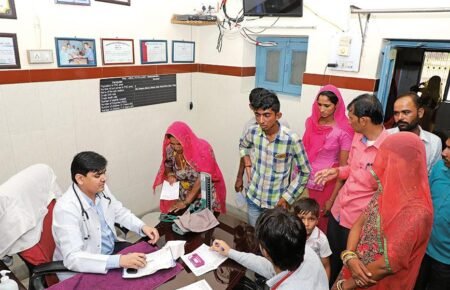
A large-scale screening initiative in Gujarat has brought into focus both the promise of early detection and the scale of India’s ongoing battle with preventable cancers. Over 3,000 pre-cancer cases identified in Ahmedabad over the past year point to the effectiveness of targeted outreach, even as they underline a deeper public health concern.
The screenings, conducted across districts with the support of local health authorities, have expanded their reach compared to previous years. This has led to a higher number of detections at a stage where intervention remains possible and outcomes are significantly better. The role of dental check-ups and community-level awareness campaigns has been particularly notable, given the strong link between oral cancers and tobacco use.
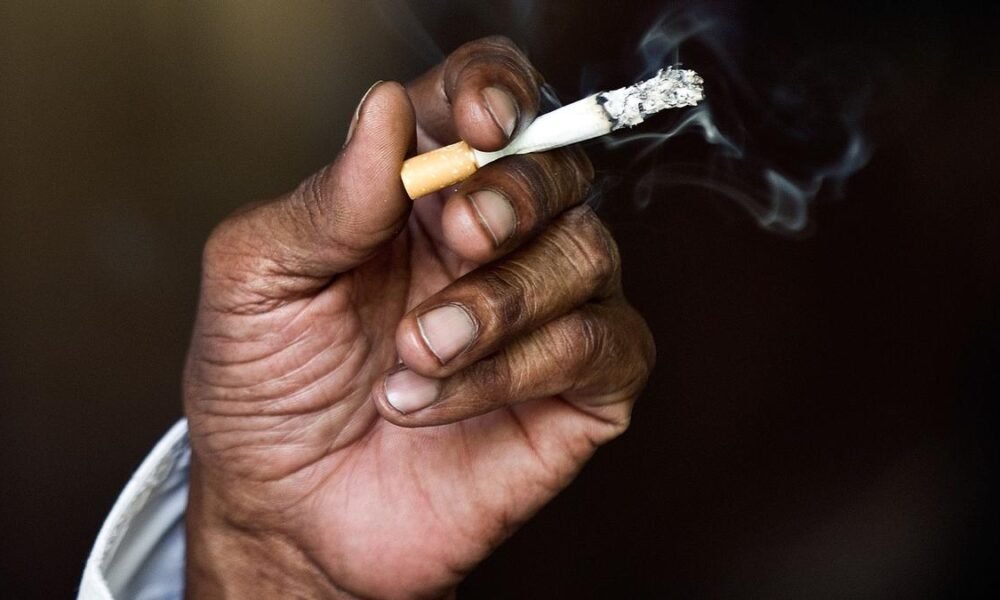
Yet, the data also serves as a reminder of the entrenched nature of risk factors. Tobacco consumption, in both smoking and smokeless forms, continues to drive a substantial share of cancer cases in India. Despite regulatory measures and periodic campaigns, behavioural change has been slow and uneven.
Public health experts have consistently argued that screening programmes must go hand in hand with sustained prevention efforts. Identifying cases early reduces mortality, but it does not address the source of the problem. Stronger enforcement of tobacco control laws, clearer warning mechanisms, and continuous community engagement remain essential.
The Gujarat experience offers a template worth examining, but it also raises a larger question. Can India move from episodic interventions to a more integrated approach that combines early detection with decisive prevention. Until that shift takes place, the gains from screening may remain limited in the face of a growing burden.





No Comment! Be the first one.