








TB fight turns local: States lean on community networks to close detection gaps
India’s tuberculosis control effort is shifting decisively towards community-led intervention, with states using World TB Day to expand grassroots participation in detection, treatment support and...

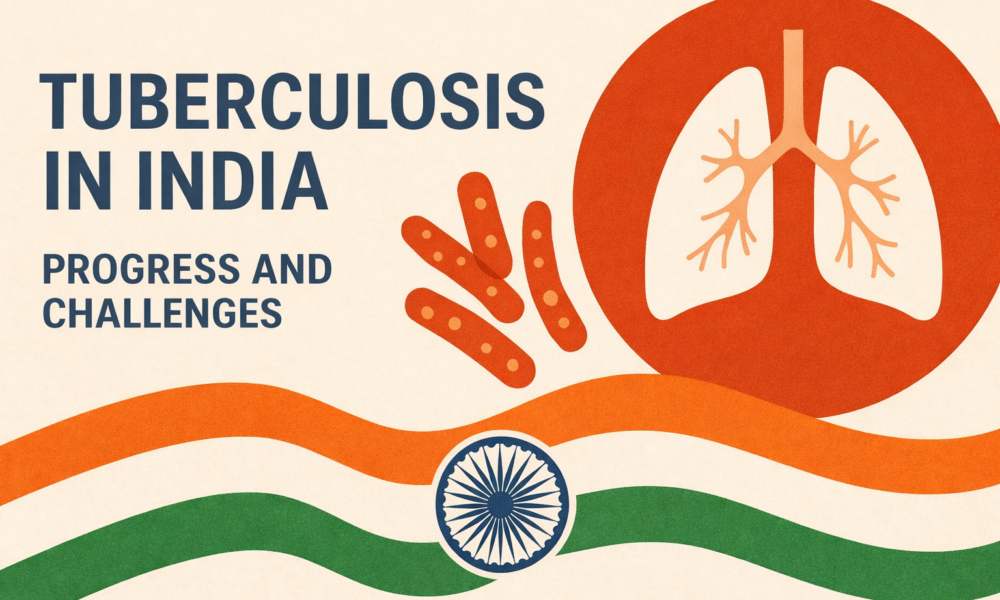
India’s tuberculosis control effort is shifting decisively towards community-led intervention, with states using World TB Day to expand grassroots participation in detection, treatment support and awareness.
Punjab on Tuesday rolled out a renewed phase of its campaign under the TB Mukt Bharat banner, placing mobile diagnostic units at the centre of early detection. The move is aimed at taking screening closer to vulnerable populations that often remain outside formal health systems. Officials said the focus would be on identifying undiagnosed cases and ensuring quicker initiation of treatment.
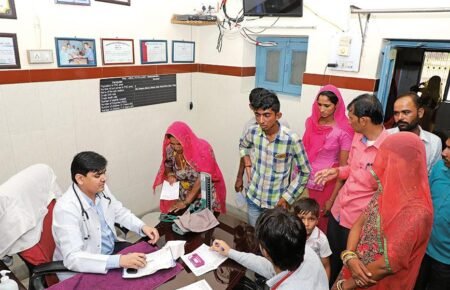
In Uttar Pradesh, district administrations including Kanpur have begun door-to-door outreach and awareness drives. Nutrition kits are being distributed to patients as part of the support framework, reflecting a wider recognition that treatment adherence is closely linked to social and economic conditions.
A key element of the strategy is the push to expand the network of “Ni-kshay Mitras”, volunteers who provide nutritional, financial and emotional support to TB patients. The programme seeks to address stigma and reduce drop-out rates, which continue to hamper outcomes despite free treatment being available.
The emphasis on decentralised action marks a shift from a largely facility-based approach to one that relies on local participation and surveillance. India continues to account for a significant share of the global TB burden, and delays in diagnosis remain a persistent concern, particularly in rural and peri-urban areas.
By drawing communities into the response, policymakers are attempting to bridge last-mile gaps that have long limited the effectiveness of national programmes. Whether this approach can translate into sustained reductions in incidence will depend on the consistency of implementation and the ability of local systems to track patients through the full course of treatment.







No Comment! Be the first one.