







Screening drive detects over 3,000 pre-cancer cases, underlining value of early intervention
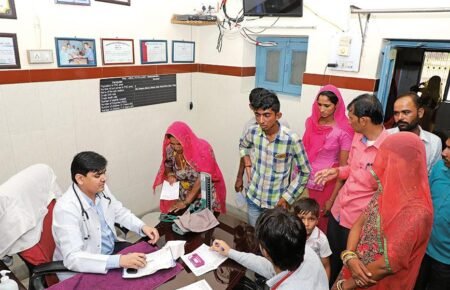
A government-led screening initiative in Gujarat has identified more than 3,000 pre-cancer cases in 2025, pointing to the growing impact of early detection efforts in reducing the long-term burden of...


A government-led screening initiative in Gujarat has identified more than 3,000 pre-cancer cases in 2025, pointing to the growing impact of early detection efforts in reducing the long-term burden of disease. The programme, which focused largely on oral health, covered thousands of individuals across multiple districts.
Officials attribute the rise in detected cases not to a surge in incidence alone, but to improved outreach and awareness. Anti-tobacco campaigns, routine dental check-ups and community-level screening have played a key role in bringing individuals into the diagnostic net at an earlier stage.
Public health experts have long argued that India’s cancer response must shift from late-stage treatment to early identification. Oral cancers, in particular, remain a significant concern given the prevalence of tobacco consumption in various forms. Detecting pre-cancerous conditions offers a window where intervention is less invasive, less costly and more likely to succeed.
The findings also expose the scale of hidden risk in the population. Many of those diagnosed were asymptomatic and would likely have sought care only at advanced stages. This underlines the importance of sustained screening programmes rather than one-time drives.
While the Gujarat model demonstrates what targeted public health efforts can achieve, it also raises questions about scalability. Replicating such initiatives across states will require consistent funding, trained personnel and stronger primary healthcare networks.
Even so, the message is clear. Early detection is not only improving outcomes for patients but also easing pressure on a healthcare system that continues to grapple with high caseloads and limited resources.





No Comment! Be the first one.