








Weather alerts highlight link between climate variability and public health risks
Fresh alerts issued by the India Meteorological Department across several states have once again drawn attention to the growing intersection between climate patterns and public health. Forecasts of...

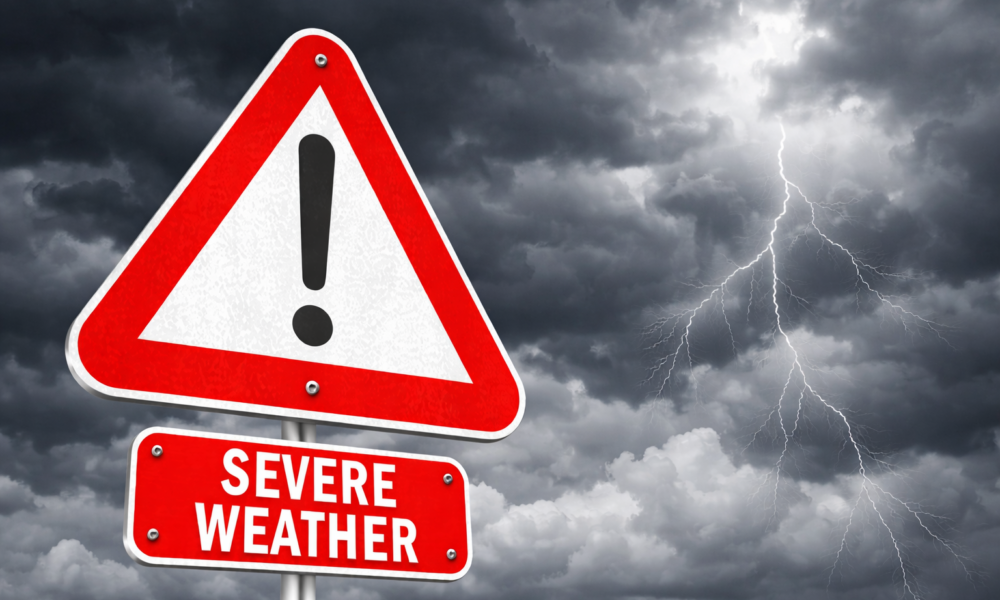
Fresh alerts issued by the India Meteorological Department across several states have once again drawn attention to the growing intersection between climate patterns and public health. Forecasts of unseasonal rain, thunderstorms and gusty winds come at a time when health systems are already managing seasonal fluctuations in disease.
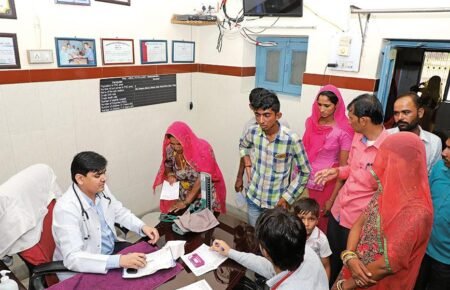
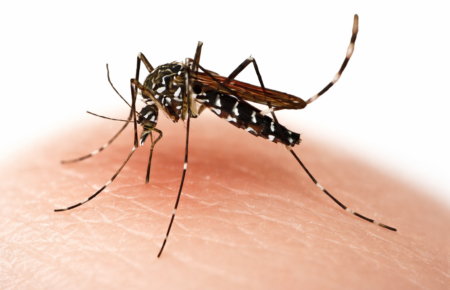
Such weather shifts are not merely meteorological events. They often trigger a rise in vector-borne and water-borne illnesses, disrupt sanitation systems and place additional pressure on emergency services. In densely populated regions, even short spells of extreme weather can lead to localised outbreaks and increased hospital visits.
Public health preparedness, therefore, is increasingly tied to the accuracy and dissemination of weather forecasts. Early warnings allow local administrations to mobilise medical teams, stock essential medicines and issue advisories, particularly for vulnerable groups such as children, the elderly and those with pre-existing conditions.
At the same time, the recurring nature of these alerts points to a broader challenge. Climate variability is no longer an occasional disruption but an emerging structural factor influencing disease patterns. This calls for closer coordination between meteorological agencies and health departments, moving beyond reactive measures to sustained planning.
The current alerts serve as a reminder that healthcare planning must now account for environmental triggers with the same seriousness as traditional epidemiological risks.





No Comment! Be the first one.