








Essential medicines see marginal price rise, affordability concerns persist
In a modest annual revision, the government has approved a price increase of about 0.6 percent for more than 760 essential medicines listed under price control. The adjustment, implemented by the...

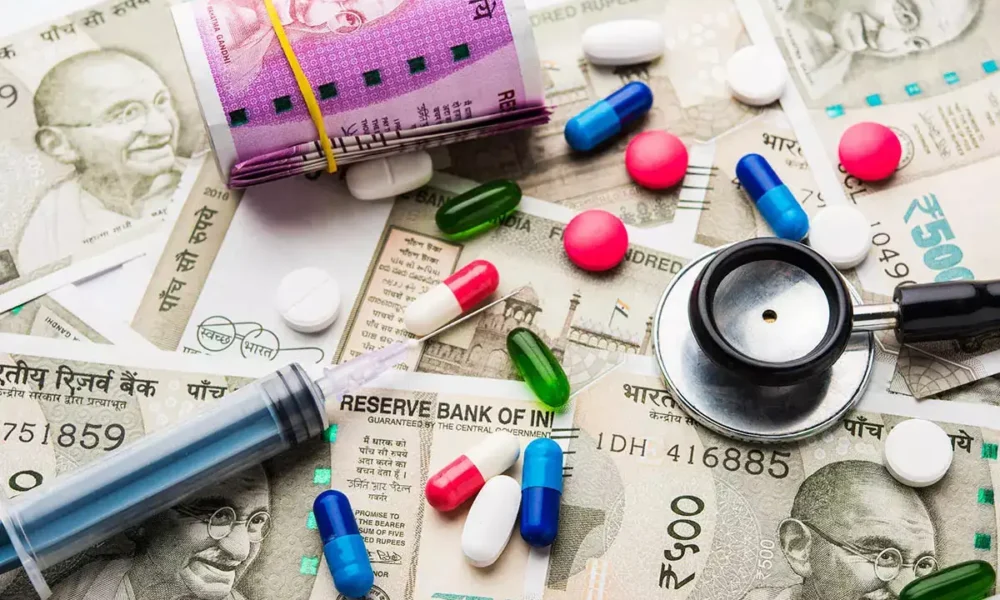
In a modest annual revision, the government has approved a price increase of about 0.6 percent for more than 760 essential medicines listed under price control. The adjustment, implemented by the National Pharmaceutical Pricing Authority, covers widely used drugs including antibiotics, pain relievers and treatments for chronic conditions such as diabetes and cardiovascular disease.
While the increase appears limited on paper, its cumulative impact is unlikely to go unnoticed for households managing long-term therapies. For patients dependent on daily medication, even small increments add to the recurring financial burden, particularly in the absence of comprehensive insurance coverage.
Officials have attributed the revision to a rise in input costs, driven largely by global supply constraints affecting active pharmaceutical ingredients. Industry representatives have argued that periodic price adjustments are necessary to maintain supply stability and ensure manufacturers remain viable.
Public health experts, however, caution that affordability must remain central to policy decisions. India’s large out-of-pocket expenditure on healthcare continues to make medicine costs a sensitive issue. Any upward revision, however calibrated, risks widening the gap between access and need.
The latest move underscores a familiar tension. On one side lies the imperative to sustain pharmaceutical production in a volatile global market. On the other is the obligation to keep essential treatment within reach for millions. Balancing the two will remain a continuing challenge for policymakers.







No Comment! Be the first one.