








Eating 30 Different Plant Foods a Week Could Improve Gut Health, Research Suggests
Gut health is receiving renewed attention after recent nutritional research highlighted that eating more than 30 different plant foods every week may help build a healthier and more diverse gut...

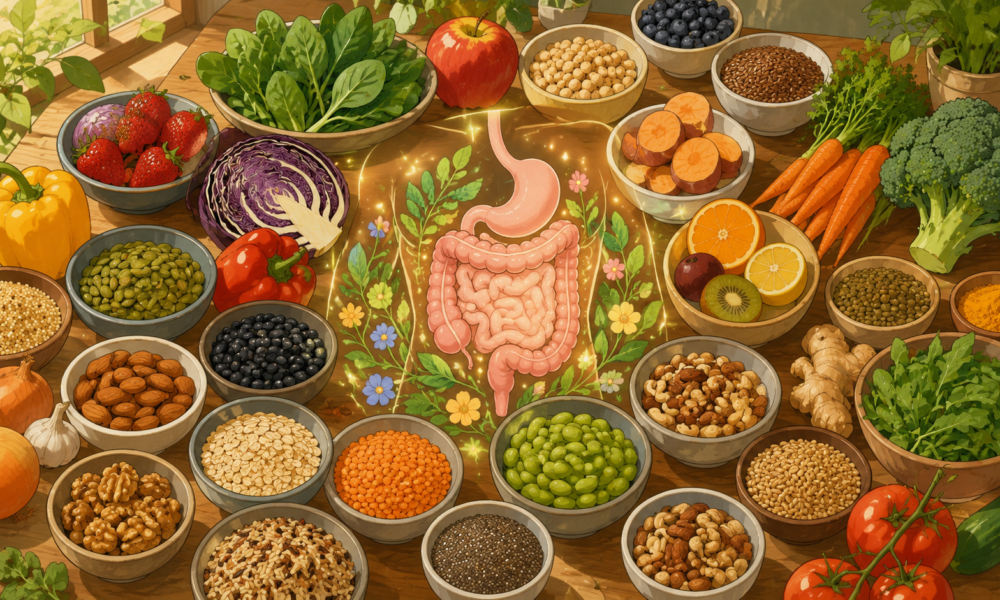
Gut health is receiving renewed attention after recent nutritional research highlighted that eating more than 30 different plant foods every week may help build a healthier and more diverse gut microbiome. Rather than focusing only on cutting sugar or processed foods, experts say increasing dietary variety could play an important role in supporting digestion, immunity and long term health.
For years, healthy eating advice has largely centred on reducing foods high in fat, sugar and salt. While these recommendations remain important, nutrition researchers are increasingly encouraging people to think about what they can add to their diets instead of only what they should remove.
The latest findings suggest that consuming at least 30 different plant foods each week can support a more diverse gut microbiome. Plant foods include fruits, vegetables, whole grains, legumes, nuts, seeds, herbs and spices. Each provides different types of fibre and naturally occurring compounds that nourish beneficial bacteria living in the digestive system.
The gut microbiome consists of trillions of microorganisms that influence far more than digestion. Research over the past decade has linked gut health with immune function, metabolism, inflammation and even aspects of mental wellbeing. A diverse microbiome is generally associated with better health outcomes because different bacterial species perform different functions within the digestive tract.
Unlike probiotic supplements, which introduce selected strains of bacteria, a varied diet provides the nutrients that allow existing beneficial microbes to grow and thrive. This approach may offer a more sustainable way to improve gut health over time. Experts note that diversity matters more than eating large quantities of a single fruit or vegetable. Adding different coloured vegetables, seasonal fruits, pulses, nuts and seeds throughout the week can increase the range of nutrients reaching the gut.
For Indian households, achieving this goal may be easier than many people assume. Traditional diets already include a wide variety of ingredients such as lentils, chickpeas, beans, millets, leafy vegetables, spices and seasonal produce. Rotating these foods instead of relying on the same meals every day can naturally increase dietary diversity.
Researchers also point out that highly processed foods often reduce microbiome diversity because they contain less fibre and fewer naturally occurring plant compounds. Replacing some processed snacks with fresh fruit, roasted pulses or mixed nuts may contribute to a healthier gut environment while supporting overall nutrition.
Although the findings are encouraging, scientists caution that no single dietary habit guarantees perfect health. Gut health is influenced by many factors, including sleep, exercise, stress, medication use and genetics. More long term studies are still needed to understand exactly how different eating patterns affect the microbiome across diverse populations.
Even so, nutrition experts believe the message is practical and easy to adopt. Rather than following restrictive diets, people can focus on increasing the variety of plant based foods they eat each week. Small changes, such as adding different vegetables to meals, trying new grains or including a handful of seeds and nuts, may gradually improve gut health without making eating habits more complicated.
As awareness of preventive healthcare continues to grow, the emphasis is shifting from treating illness to building healthier daily habits. A colourful and varied plate may prove to be one of the simplest ways to support the body’s natural ecosystem while promoting long term wellbeing.







No Comment! Be the first one.