








India’s TB Elimination Mission: How Youth-Led JOSH Teams Could Help
India has introduced JOSH Teams, short for Joint Squad for Health, to strengthen community participation in its tuberculosis elimination efforts. The initiative was launched by Union Health Minister...


India has introduced JOSH Teams, short for Joint Squad for Health, to strengthen community participation in its tuberculosis elimination efforts. The initiative was launched by Union Health Minister J.P. Nadda on 8 October 2026 under the TB Mukt Bharat Abhiyaan.
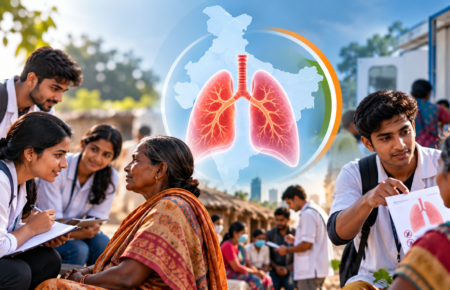
According to the Ministry of Health and Family Welfare, the first phase covers 55 districts across 11 states and Union Territories. The initiative brings together young volunteers, National Cadet Corps cadets and designated government officers to increase awareness and encourage timely testing and treatment.
Why is community participation important in TB elimination?
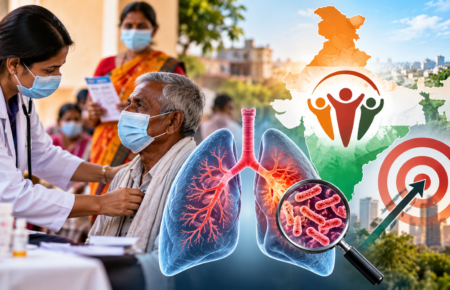
Tuberculosis, commonly known as TB, is an infectious disease that primarily affects the lungs but can also affect other parts of the body. It spreads through the air when a person with infectious TB releases bacteria, particularly through coughing.
Early diagnosis and appropriate treatment are important for protecting patients and reducing further transmission. Yet people may delay seeking care because of limited awareness, travel barriers, financial pressures or the stigma associated with the disease.
Community-based initiatives can help bridge the gap between health services and the people who need them. Local awareness efforts can encourage individuals with symptoms to seek medical evaluation rather than relying on unverified remedies or delaying treatment.
What will JOSH Teams do?
The initiative is designed to organise youth participation in local TB awareness and mobilisation. Volunteers can help communicate information about prevention, testing, treatment adherence and the importance of reducing stigma.
The teams also provide a structure for coordination between government institutions and community networks. The government’s launch announcement included plans for information, education and communication materials and a mobile application to support reporting.
These activities are intended to make public-health communication more accessible at the community level. However, volunteers do not replace qualified healthcare professionals, diagnostic facilities or treatment services.
What progress has India reported?
In its October 2026 announcement, the government reported a 21% decline in TB incidence between 2015 and 2024 and treatment coverage of 92%. These are government-reported figures and should be interpreted alongside the relevant national and international measurement definitions.
Such indicators can help assess progress, but they do not mean that TB has been eliminated. Continued diagnosis, treatment access, monitoring and public awareness remain necessary.
What should people do if they suspect TB?
People experiencing a persistent cough, unexplained weight loss, fever, night sweats or other concerning symptoms should seek medical evaluation. These symptoms can have several causes, so they cannot confirm TB on their own.
Anyone diagnosed with TB should follow the treatment plan prescribed by their healthcare provider and seek professional guidance before changing or stopping medication.
India’s public-health system provides TB-related information and services through official programmes. People can ask local health facilities about screening and treatment access.
What will determine the programme’s success?
The first-phase rollout is an important organisational step, but the long-term results will depend on implementation. Useful measures include whether communities receive accurate information, whether people with symptoms reach diagnostic services sooner and whether patients can complete treatment.
JOSH Teams could strengthen the community dimension of India’s TB response. Their contribution will ultimately depend on sustained local participation, reliable health services and a supportive environment in which people can seek treatment without fear or discrimination.



No Comment! Be the first one.