





India to Get Approved QDENGA Dengue Vaccine in 2027
The recent rise in dengue cases has highlighted the need for better prevention and treatment options, with cases in Tamil Nadu reaching an all-time high. The vaccine being introduced to help tackle...

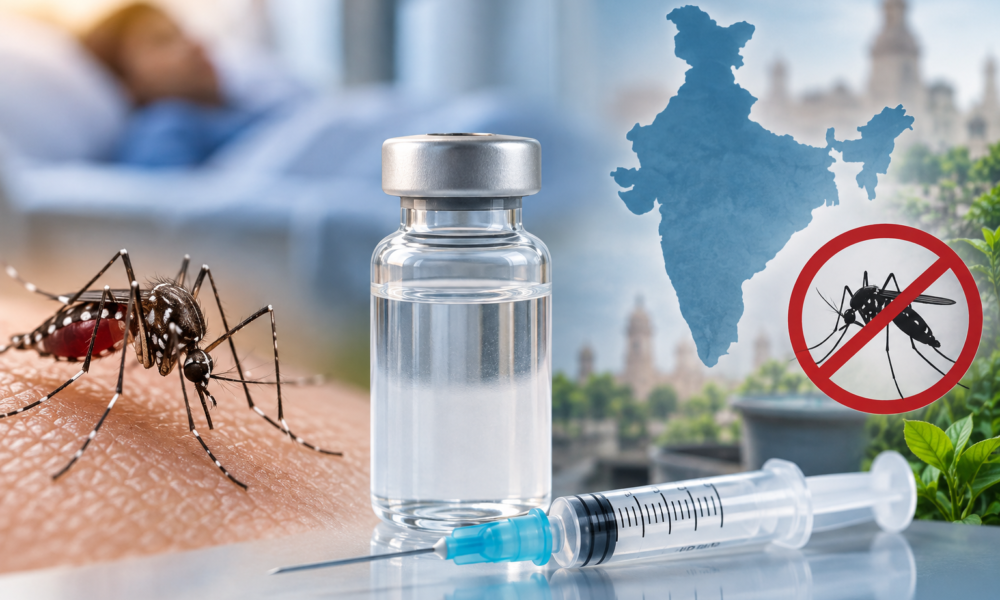
The recent rise in dengue cases has highlighted the need for better prevention and treatment options, with cases in Tamil Nadu reaching an all-time high. The vaccine being introduced to help tackle dengue is QDENGA, developed by Japanese pharmaceutical company Takeda. India’s drug regulator, the Central Drugs Standard Control Organisation (CDSCO), has approved the vaccine for marketing in India.
QDENGA is expected to be available in India in the first half of 2027. The vaccine received marketing approval from CDSCO in July 2026.
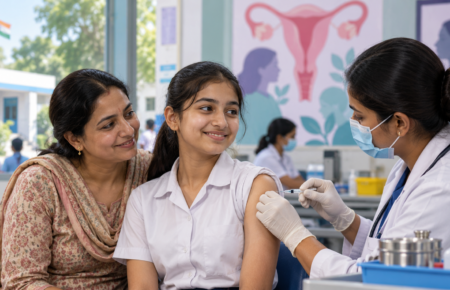
The vaccine has been approved for people aged between 4 and 60 years. Under an agreement with Dr Reddy’s Laboratories, the company will promote and distribute QDENGA in India’s private healthcare market.
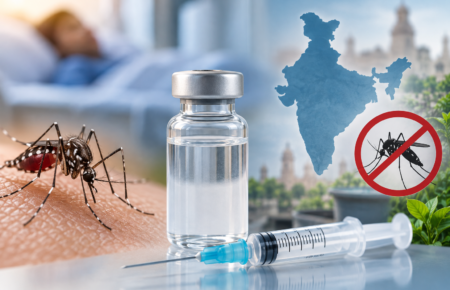
Dengue is a viral disease spread mainly by Aedes mosquitoes. It can cause high fever, headaches, muscle pain, severe joint pain, nausea and skin rashes.
Most people recover from dengue, but some can develop severe dengue. Severe dengue can cause bleeding, shock and potentially life-threatening complications. India has seen a major rise in dengue infections over the past two decades. During this period, dengue prevalence has increased 11-fold, according to the source.
According to the source, India accounts for around one-third of the global dengue burden.
QDENGA is designed to provide protection against all four dengue virus serotypes: DENV-1, DENV-2, DENV-3 and DENV-4. It is a live-attenuated vaccine that uses a weakened form of the virus to help the body develop protection against dengue.
The vaccine is administered in two doses, given three months apart. QDENGA can be given to people regardless of whether they have previously had dengue.
Dengue testing before vaccination is not required under the approved indication mentioned in the source. QDENGA has already received regulatory approval in several countries and has also received WHO prequalification.
The vaccine could become another tool in India’s dengue prevention strategy. However, it will not replace other dengue control measures.
Mosquito control will remain important, and people will need to reduce areas where mosquitoes can breed. Disease surveillance will also remain important. Early diagnosis and timely treatment will continue to be essential for dengue patients.
The initial agreement between Takeda and Dr Reddy’s Laboratories focuses on the private healthcare market. QDENGA is intended for children and adults within the approved age range of 4 to 60 years.



No Comment! Be the first one.