



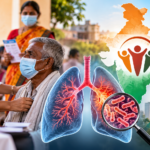




India Plans 50-Metre Junk-Food Curbs Around Schools Amid Childhood Obesity Concerns
India is moving closer to introducing restrictions on the sale of foods high in fat, sugar and salt within 50 metres of schools as authorities step up efforts to address unhealthy diets and rising...


India is moving closer to introducing restrictions on the sale of foods high in fat, sugar and salt within 50 metres of schools as authorities step up efforts to address unhealthy diets and rising childhood obesity.
The Food Safety and Standards Authority of India is working on proposed regulations that could restrict the sale of high-fat, high-sugar and high-salt, or HFSS, foods on school campuses and within a 50-metre radius. FSSAI CEO Rajit Punhani said the proposed framework is intended to encourage healthier food environments for children.
The proposal would potentially affect a wide range of businesses located close to schools, including small grocery stores, food stalls, restaurants and other retailers selling products such as sugary drinks, packaged snacks and fried foods.
Reuters reported that the proposed restrictions could affect businesses around India’s approximately 1.5 million schools. The proposal is part of a wider food-safety and nutrition push amid concerns over increasing childhood obesity.
Available estimates cited in recent reporting indicate that the number of Indian children aged five to 19 classified as overweight or obese increased from around 28 million in 2015 to approximately 41 million in 2025.
The proposed 50-metre rule is not yet the same as a nationwide final regulation. It remains part of the regulatory process, making the exact scope and enforcement mechanism subject to further development.
Some states have already moved ahead with their own restrictions. Maharashtra, for example, has directed schools to keep HFSS foods away from students and prohibited their sale, distribution and advertising on school premises and within 50 metres. Karnataka has also issued an advisory discouraging the sale of foods high in fat, sugar and salt within 50 metres of schools and colleges.
These state-level measures provide a glimpse of how a broader national framework could operate.
For public-health authorities, the objective is to change the food environment around children rather than relying entirely on individual choices. Schools are considered an important setting because children spend a significant portion of their day there and may have frequent access to nearby food outlets.
The proposal could also affect food manufacturers. If restrictions reduce children’s exposure to certain products around schools, companies may face greater pressure to reformulate products, adjust marketing strategies or develop healthier alternatives.
Small businesses could face a different challenge. Shops and food vendors located close to schools may depend heavily on student customers, and a 50-metre restriction could affect their sales.
The proposal therefore sits at the intersection of public health, food regulation and small-business interests.
India’s approach is also being compared with policies adopted in countries such as Chile and Mexico, where governments have introduced stronger measures around unhealthy food consumption and marketing to children.
The next stage will depend on the final regulatory framework and how authorities define restricted products, affected businesses, enforcement responsibilities and exemptions.
For now, the proposed 50-metre restriction signals a shift towards regulating the food environment surrounding schools as part of India’s broader response to childhood obesity and unhealthy diets.






No Comment! Be the first one.