






Leptospirosis After Heavy Rain: Why a Simple Fever Should Not Be Ignored
Heavy rain and flooding can increase exposure to contaminated water and create conditions in which infections such as leptospirosis become a public-health concern. Leptospirosis is a bacterial...

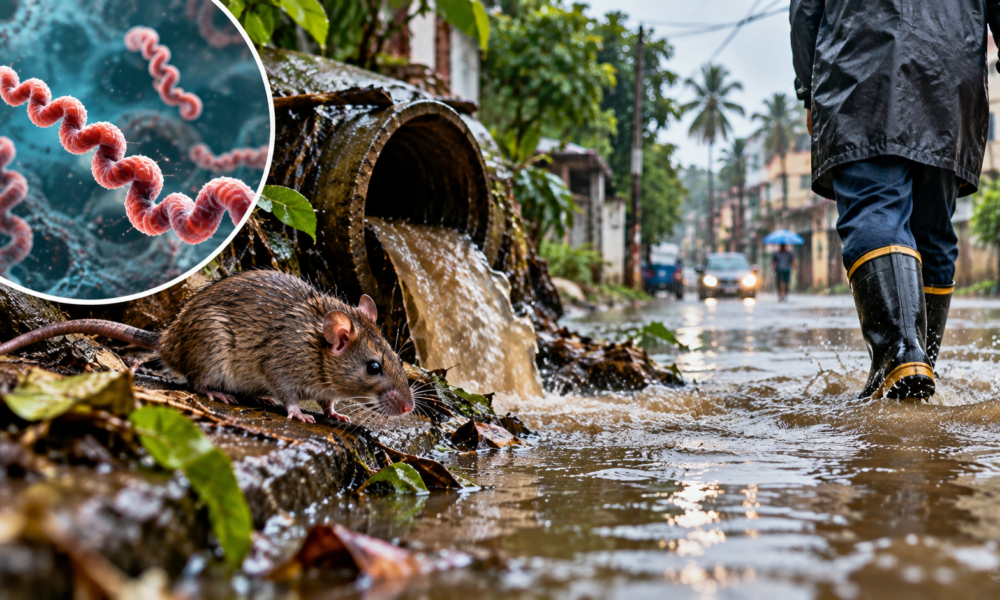
Heavy rain and flooding can increase exposure to contaminated water and create conditions in which infections such as leptospirosis become a public-health concern.
Leptospirosis is a bacterial disease that can affect humans after contact with water or soil contaminated with urine from infected animals. The infection can occur through cuts or other breaks in the skin and through contact with contaminated water.
India’s National Centre for Disease Control runs a dedicated programme for the prevention and control of leptospirosis. The programme covers multiple states and includes disease surveillance, diagnostic capacity and pre-monsoon advisories.
Why does flooding increase the risk?
Floodwater can mix with soil, sewage and animal waste. People who walk through contaminated water or work in flooded areas can have greater exposure.
The risk may be higher for people involved in cleaning flooded homes, drainage systems or agricultural areas.
What are the symptoms?
Leptospirosis can cause:
Fever
Headache
Muscle pain
Chills
Vomiting
Red eyes
Tiredness
The disease can sometimes become severe and affect organs such as the kidneys and liver.
Why can it be confused with other illnesses?
Fever, headache and body pain can occur in several infections, including dengue, malaria and influenza.
The CDC notes that leptospirosis is sometimes misdiagnosed because its symptoms can resemble other diseases common in India.
This makes medical evaluation important, particularly after exposure to floodwater or contaminated water.
How can people reduce the risk?
People should avoid unnecessary contact with floodwater. If contact cannot be avoided, protective footwear and clothing can reduce exposure.
Cuts and wounds should be covered properly. Hands and the body should be washed with clean water after possible exposure.
People who develop fever after significant exposure to floodwater should tell their healthcare professional about that exposure.
Leptospirosis is treatable, but early recognition and appropriate medical care are important.




No Comment! Be the first one.