






Extreme Heat During Pregnancy: Why Hot Weather Can Increase Risks for Mothers and Newborns
Extreme heat is increasingly becoming a health concern, and pregnancy may make people particularly vulnerable to its effects. A recent global survey of healthcare professionals has highlighted...

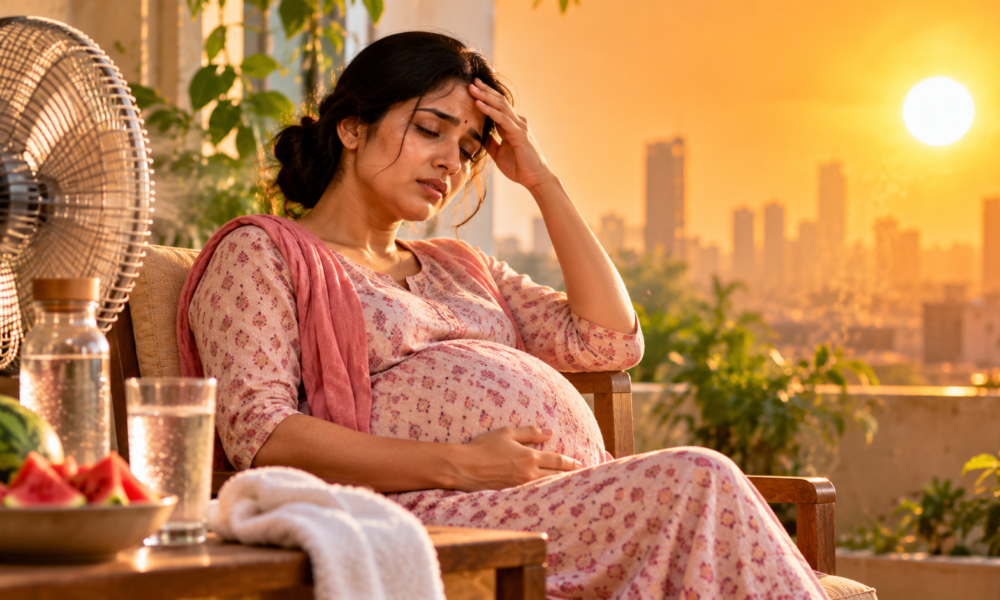
Extreme heat is increasingly becoming a health concern, and pregnancy may make people particularly vulnerable to its effects.
A recent global survey of healthcare professionals has highlighted growing concern about the impact of extreme heat on pregnant women, fetuses and newborn babies. The survey included healthcare professionals from India, Australia, Brazil, the UK and Zimbabwe.
According to the findings, many healthcare workers have observed an increase in heat-related pregnancy complications in recent years. Research from India has also linked heat exposure with outcomes including preterm birth, low birth weight, miscarriage and stillbirth.
Why Is Pregnancy More Sensitive to Heat?
Pregnancy causes several physiological changes in the body. Blood volume increases, the cardiovascular system works harder and the body’s ability to regulate temperature can be affected.
During extreme heat, the body must work harder to maintain a safe internal temperature. Dehydration and excessive heat exposure can place additional stress on the mother.
High temperatures can also affect access to healthcare. Pregnant women may find it more difficult to travel to hospitals and clinics during heatwaves, particularly when transport is limited or outdoor temperatures are extremely high.
How Can Extreme Heat Affect Pregnancy?
Research has associated excessive heat exposure with several adverse pregnancy outcomes.
These may include premature birth, low birth weight and other complications. Some Indian research has also reported associations between heat exposure and miscarriage or stillbirth.
The exact risk can vary depending on factors such as the intensity and duration of heat exposure, hydration, underlying health conditions and access to healthcare.
Who May Be at Greater Risk?
Pregnant women living in areas affected by prolonged heatwaves may face greater exposure.
Risk can also increase for people who work outdoors, live in poorly ventilated homes or lack reliable access to cooling and drinking water.
Women with existing medical conditions should be particularly careful during periods of extreme heat and should follow advice from their healthcare providers.
How Can Pregnant Women Stay Safer?
Staying hydrated is one of the most important measures. Pregnant women should drink adequate fluids and avoid becoming dehydrated.
During extreme heat, it can help to remain indoors during the hottest part of the day, use fans or air conditioning where available and wear lightweight, breathable clothing.
Outdoor physical activity should be limited during periods of dangerous heat.
Pregnant women should also pay attention to warning signs such as severe dizziness, fainting, confusion, unusual weakness, persistent vomiting or difficulty breathing.
If these symptoms occur, medical attention should be sought promptly.
The Need for Heat-Resilient Healthcare
The growing evidence around heat and pregnancy shows that climate change is also a healthcare issue.
Healthcare systems need better preparedness, public awareness and clear guidance for protecting pregnant women and newborns during heatwaves.
For expecting mothers, the message is not to panic but to take extreme heat seriously. Adequate hydration, sensible heat avoidance and timely medical care can help reduce preventable risks.





No Comment! Be the first one.