








High Cholesterol: Why You May Have It Without Knowing and How to Manage It
High cholesterol is a common health concern that can increase the risk of heart disease and stroke. The difficult part is that high cholesterol usually does not cause noticeable symptoms. A person...

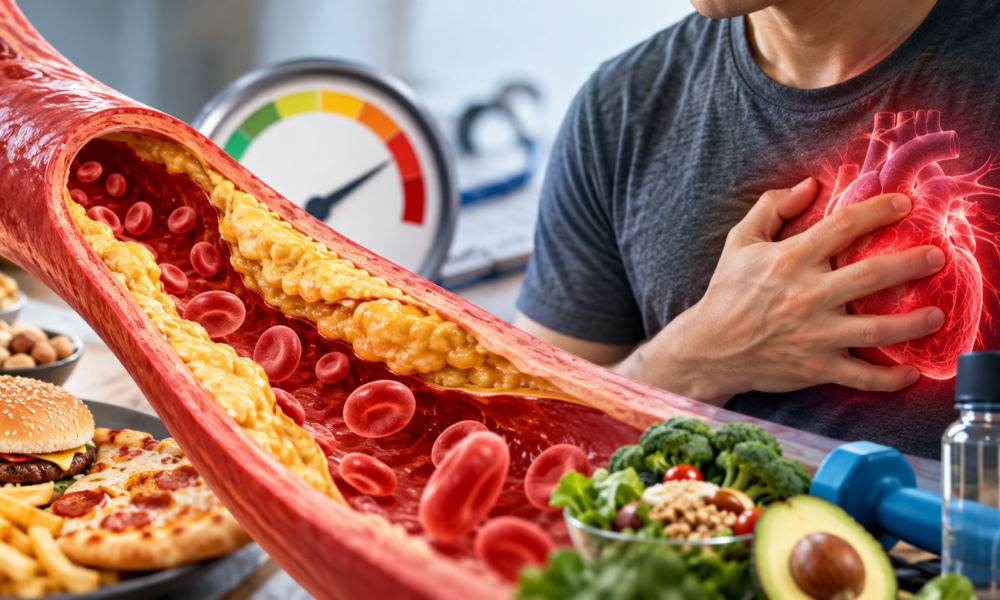
High cholesterol is a common health concern that can increase the risk of heart disease and stroke. The difficult part is that high cholesterol usually does not cause noticeable symptoms. A person may feel healthy while cholesterol gradually builds up in the walls of their arteries.
The World Health Organisation reported in September 2026 that an estimated 39% of adults worldwide have raised total cholesterol. The organisation identifies unhealthy blood lipid levels as an important risk factor for cardiovascular disease.
What Is Cholesterol?
Cholesterol is a fatty substance that the body needs to make hormones, vitamin D and cell membranes. The liver produces cholesterol, and some also comes from food.
Problems can develop when certain types of cholesterol become too high.
Low-density lipoprotein, or LDL, is often called bad cholesterol because high levels can contribute to plaque building up inside arteries.
High-density lipoprotein, or HDL, is commonly called good cholesterol because it helps carry cholesterol away from the bloodstream towards the liver for processing.
Triglycerides are another type of fat in the blood. High triglycerides can also contribute to cardiovascular risk, particularly when combined with other unhealthy lipid levels.
Why Is High Cholesterol Dangerous?
Over time, cholesterol-rich plaque can narrow arteries and make them less flexible. This condition, known as atherosclerosis, can reduce blood flow.
If a plaque ruptures and a blood clot forms, it can block blood supply to the heart or brain, causing a heart attack or stroke.
High cholesterol itself generally does not cause headaches, dizziness or other reliable warning signs. A blood test is the practical way to identify abnormal cholesterol levels.
What Causes High Cholesterol?
Several factors can influence cholesterol levels, including family history, age, diet, physical activity and certain medical conditions.
Diets high in saturated fat can raise LDL cholesterol in some people. Smoking, inactivity and excess body weight can also contribute to cardiovascular risk.
Some people inherit a condition called familial hypercholesterolaemia, which can cause very high LDL levels even when they follow healthy habits.
How Can You Help Manage Cholesterol?
Choose more vegetables, fruit, beans, lentils, whole grains, nuts and other fibre-rich foods. Replacing foods high in saturated fat with sources of unsaturated fat may help improve cholesterol levels.
Regular physical activity supports heart health. Adults can generally aim for at least 150 minutes of moderate-intensity activity each week, if their health permits, alongside muscle-strengthening activity.
Avoid smoking and discuss alcohol use, weight management and other cardiovascular risk factors with a healthcare professional.
When Should You Get Tested?
A lipid profile measures total cholesterol, LDL cholesterol, HDL cholesterol and triglycerides.
How often you need testing depends on your age, medical history, family history and overall risk. People with diabetes, high blood pressure or a strong family history of early heart disease may need closer monitoring.
Some people require cholesterol-lowering medicines, such as statins. Lifestyle changes are important, but they do not replace prescribed treatment when medication is needed.
Disclaimer: This article is for general education. Consult a qualified healthcare professional for cholesterol testing and an individual treatment plan.







No Comment! Be the first one.