






Air Pollution and Your Health: How to Protect Your Lungs in Indian Cities
Air pollution is more than a problem of dust, smog or reduced visibility. Polluted air contains particles and gases that can affect the lungs, heart and other parts of the body. For people living in...

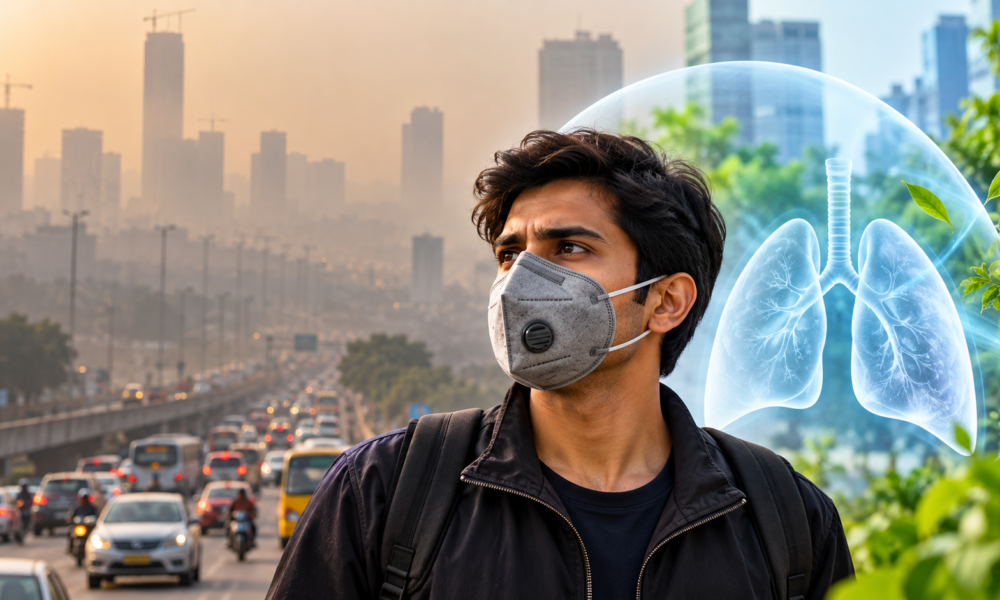
Air pollution is more than a problem of dust, smog or reduced visibility. Polluted air contains particles and gases that can affect the lungs, heart and other parts of the body. For people living in busy Indian cities, understanding these risks and taking practical precautions can help reduce exposure.
The World Health Organization (WHO) identifies air pollution as a major public-health threat. Exposure is associated with conditions including heart disease, stroke, lung cancer, chronic obstructive pulmonary disease and respiratory infections.
- What makes polluted air harmful?
Air pollution can include fine particulate matter, ground-level ozone, nitrogen dioxide, sulphur dioxide and carbon monoxide. Sources vary by location but may include vehicle emissions, industrial activity, power generation, construction dust, waste burning and household combustion.
Fine particles are particularly concerning because they can penetrate deep into the respiratory system. Exposure can aggravate existing respiratory and cardiovascular conditions, while long-term exposure increases health risks.
The level of risk depends on pollutant concentration, duration of exposure, individual vulnerability and other factors.
- Who is most vulnerable?
Although air pollution can affect anyone, certain groups may face greater risks:
- Children, whose lungs and bodies are still developing.
- Older adults.
- Pregnant people.
- Individuals with asthma or chronic lung disease.
- People with cardiovascular conditions.
- Outdoor workers who spend prolonged periods in polluted environments.
People in these groups should pay attention to local air-quality information and follow medical advice about reducing exposure.
- Can air pollution worsen asthma and breathing problems?
Polluted air can irritate the airways and trigger coughing, wheezing or breathlessness in susceptible people. It may also worsen symptoms in people who already have asthma or other respiratory conditions.
If you have a prescribed inhaler or respiratory treatment plan, follow it as directed. Do not stop medication or change doses because outdoor air quality has improved temporarily.
Seek urgent medical care for severe breathing difficulty, bluish lips, confusion or other serious symptoms.
- Practical ways to reduce exposure
Check local air quality. Review the Air Quality Index (AQI) before planning strenuous outdoor activities, particularly on days with elevated pollution. Adjust outdoor exercise. When pollution is high, consider moving exercise indoors or choosing a time and location with lower exposure. Avoid exercising beside busy roads when possible.
Use a well-fitting mask when appropriate. A properly fitted particulate respirator, such as an N95, can reduce exposure to airborne particles. Fit matters, and such masks do not protect against every gaseous pollutant.
Improve indoor air where possible. Avoid smoking indoors and reduce exposure to cooking smoke. Ventilate when outdoor air is cleaner, and consider appropriate filtration if feasible.
Follow medical advice. People with asthma or heart and lung conditions should discuss an exposure-management plan with their healthcare professional.
No single measure eliminates exposure completely, and individual precautions should complement wider efforts to reduce pollution at its source.
- Should you stop exercising outdoors?
Not automatically. Physical activity remains important for health. The sensible approach is to consider pollution levels, symptoms, exercise intensity and personal risk.
On heavily polluted days, move demanding workouts indoors where possible. On days with better air quality, choose suitable routes away from major traffic corridors.
If exercise causes unusual chest discomfort, severe breathlessness or dizziness, stop and seek medical assessment as appropriate.
- Why public action matters
Personal precautions can help, but lasting improvements require cleaner transport, industrial emissions controls, effective dust management, cleaner household energy and better monitoring.
WHO emphasises the importance of interventions that reduce pollution at its sources, including cleaner transport and energy systems.
Air pollution is a serious health issue, but informed decisions can help reduce exposure. Monitor local air quality, adapt outdoor activities when necessary and take extra care if you are in a vulnerable group.
The most effective long-term solution, however, is cleaner air for everyone.






No Comment! Be the first one.