






Weather Ranchi and Seasonal Illnesses
Changing weather in Ranchi can influence the spread of certain infections, the activity of mosquitoes and the severity of allergies. Temperature fluctuations and rainfall do not directly cause every...

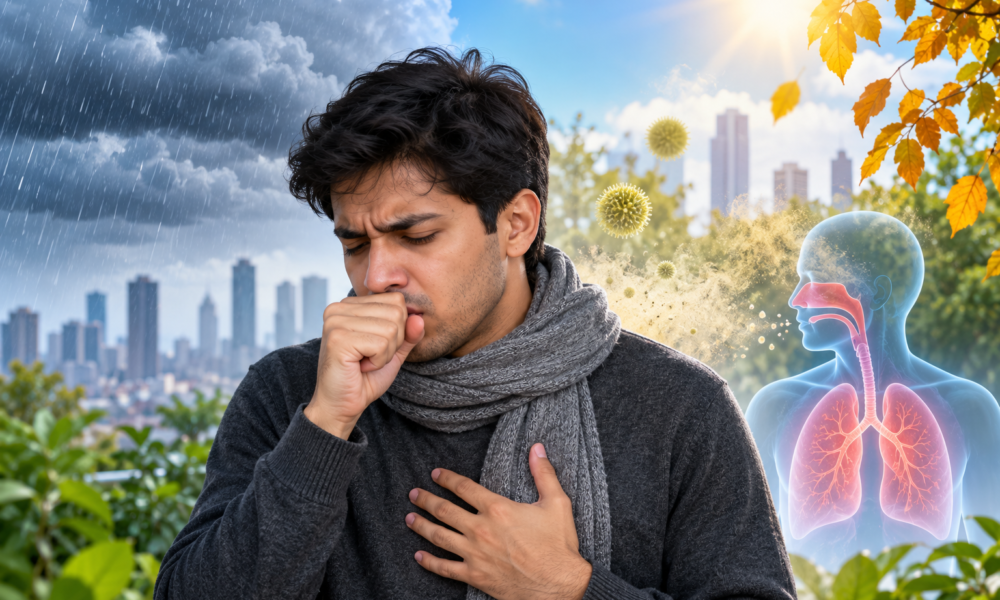
Changing weather in Ranchi can influence the spread of certain infections, the activity of mosquitoes and the severity of allergies. Temperature fluctuations and rainfall do not directly cause every seasonal illness, but they can create conditions that affect exposure to infectious agents and environmental triggers.
For residents, understanding these differences is more useful than assuming every fever, cough or stomach problem is simply a result of the weather.
Why weather changes can affect health
- Respiratory infections and allergies
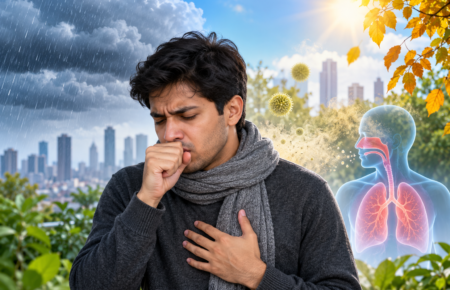
Coughs, colds and other respiratory infections are caused by infectious organisms, not by cold weather alone. However, changes in people’s indoor and outdoor activities, ventilation and contact patterns can influence transmission.
Pollen, dust and damp indoor environments can also aggravate allergies and asthma. If symptoms include repeated sneezing, itchy eyes or a clear runny nose, an allergy may be one possible explanation. Fever, body aches or worsening symptoms may indicate another condition and should be assessed in context. - Rainfall and mosquito-borne diseases
Rain can leave standing water in containers, discarded tyres, coolers and other places where mosquitoes breed. Depending on local mosquito populations and disease transmission, this can increase the risk of illnesses such as dengue.
Residents should empty water-holding containers regularly, cover stored water and use appropriate mosquito protection. Community-level measures to remove breeding sites are equally important.
A fever should not automatically be labelled dengue. Symptoms overlap with other infections, so medical evaluation and testing may be necessary. - Water contamination and stomach infections
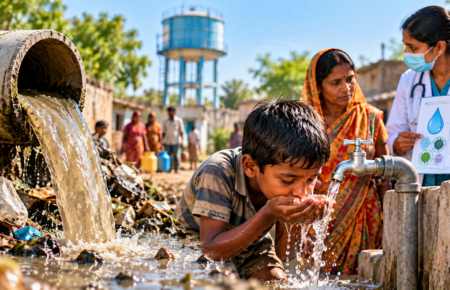
Heavy rainfall and flooding can damage sanitation systems or contaminate water supplies. Consuming unsafe water or contaminated food can lead to gastrointestinal illness.
Use water from a safe source. If authorities issue a local water-safety advisory, follow their instructions on treatment and use. Wash hands with soap before eating and after using the toilet, and keep food protected from flies and dirty water. - Heat, humidity and dehydration
Hot, humid conditions can increase discomfort during physical activity and make it harder for the body to cool itself efficiently. People working outdoors, older adults and those with certain medical conditions may be particularly vulnerable. - Drink water regularly, take breaks in shaded or cool places and avoid strenuous outdoor activity during the hottest part of the day when conditions warrant it.
- Practical health precautions for Ranchi residents
Check reliable weather alerts before travelling during heavy rainfall. Avoid walking or driving through floodwater because it may conceal hazards and contain sewage or harmful chemicals. - Keep homes dry, dispose of waste appropriately and remove stagnant water where possible. Use mosquito repellent according to its label, wear suitable clothing and use screens or nets where appropriate.
- Seek medical advice for persistent fever, repeated vomiting, diarrhoea or symptoms that are worsening. Dehydration warning signs include markedly reduced urination, dizziness and unusual weakness. Confusion, severe breathing difficulty, fainting or other severe symptoms require urgent care.
The takeaway
Weather awareness is a practical part of seasonal health planning, but it cannot replace diagnosis. Ranchi residents can reduce avoidable risks by using safe water, preventing mosquito breeding, protecting themselves from heat and seeking timely medical care when symptoms warrant it.
Editorial references: CDC: Floods and Your Safety · WHO India: Air Pollution.



No Comment! Be the first one.