





Dengue Cases Among BSF Personnel in Gujarat: Symptoms, Warning Signs and Prevention
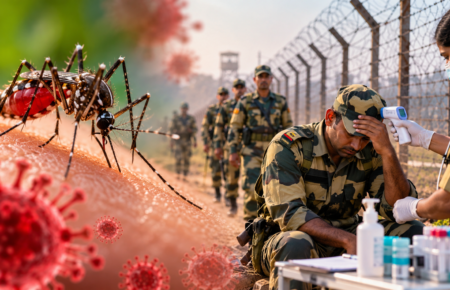
Twenty-one Border Security Force (BSF) personnel from an Assam-based contingent have tested positive for dengue ahead of India’s National Unity Day celebrations in Ekta Nagar, Gujarat. The...

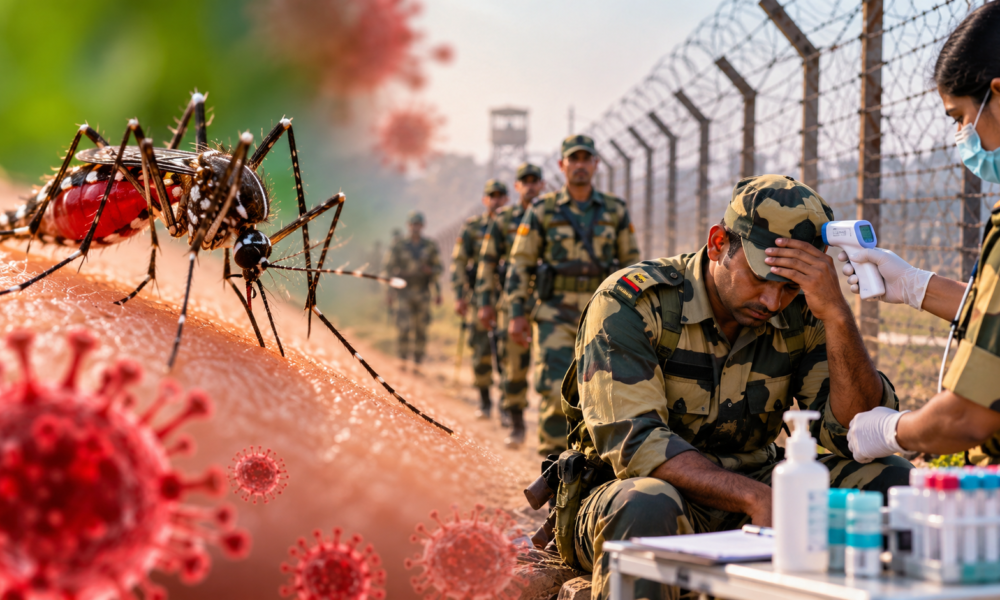
Twenty-one Border Security Force (BSF) personnel from an Assam-based contingent have tested positive for dengue ahead of India’s National Unity Day celebrations in Ekta Nagar, Gujarat. The cases have prompted health authorities to strengthen mosquito-control measures and medical surveillance around the event area.
According to reports published on October 30, the affected personnel were part of a 40-member contingent that developed fever during mandatory quarantine. They are receiving medical treatment at the Ekta Nagar Trauma Centre.
Officials have clarified that the situation does not constitute a district-wide dengue outbreak. However, the infections have highlighted the importance of mosquito control and early medical attention during large public gatherings.
What Is Dengue?
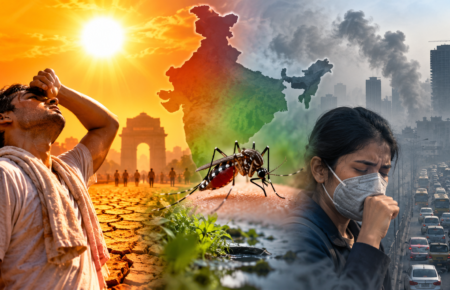
Dengue is a mosquito-borne viral infection transmitted primarily through infected female Aedes aegypti mosquitoes.
These mosquitoes commonly breed in stagnant water collected in containers, discarded tyres, flowerpots, coolers and other household or outdoor spaces.
Dengue transmission can increase when mosquito breeding sites remain unchecked, particularly in areas with suitable temperatures and rainfall conditions.
The infection can affect people of different age groups, and symptoms generally develop within four to ten days after an infected mosquito bite.
What Are the Common Symptoms?
- Dengue symptoms can range from mild to severe.
- Common symptoms include:
- High fever
- Severe headache
- Pain behind the eyes
- Muscle and joint pain
- Nausea and vomiting
- Skin rash
- Unusual tiredness
Some patients recover with appropriate medical care, but severe dengue can cause serious complications and requires urgent hospital attention.
Warning Signs That Require Immediate Medical Attention
Certain symptoms may indicate that dengue is progressing towards a severe stage.
These include severe abdominal pain, persistent vomiting, bleeding from the nose or gums, blood in vomit or stool, rapid breathing, extreme weakness and restlessness.
Warning signs can appear as the fever begins to subside. Therefore, a falling temperature does not always mean that the infection is resolving.
People experiencing these symptoms should seek immediate medical assessment rather than attempting self-treatment.
How Can Dengue Be Prevented?
Preventing mosquito breeding is one of the most effective ways to reduce dengue transmission.
Health authorities recommend removing stagnant water from containers, cleaning water-storage vessels regularly and covering tanks and buckets.
Discarded tyres, plastic containers and other objects that collect rainwater should also be removed or emptied.
Using mosquito repellents, wearing full-sleeved clothing and installing window screens can help reduce exposure to mosquito bites.
Community-level sanitation is equally important because mosquito breeding sites can develop in public spaces, construction areas and residential neighbourhoods.
Why Is Early Diagnosis Important?
Dengue can initially resemble other viral infections, making medical assessment important when symptoms appear.
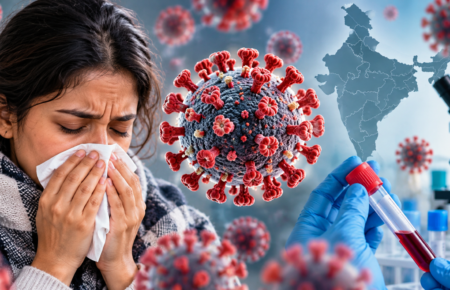
Doctors may recommend blood investigations, including dengue antigen or antibody tests, depending on the stage of illness.
Treatment generally focuses on supportive care, hydration and monitoring for complications. There is no specific antiviral treatment that cures dengue.
Patients should avoid self-medicating with aspirin or ibuprofen when dengue is suspected because these medicines can increase bleeding risk. Medication decisions should be made with a qualified healthcare professional.
The Bigger Public Health Lesson
The Gujarat cases demonstrate why mosquito surveillance and preventive healthcare remain important even during large, temporary public gatherings.
Health authorities can arrange medical facilities and emergency support, but preventing mosquito breeding requires cooperation from local administrations, event organisers and residents.
Early diagnosis, timely medical attention and better sanitation remain essential to reducing the health impact of dengue.


No Comment! Be the first one.