







H1N1 Accounts for 75% of Influenza-Positive Samples in India: What You Should Know
The H1N1 influenza strain accounted for approximately 75% of influenza-positive samples reported in India during an early September surveillance period, according to figures published by The Economic...

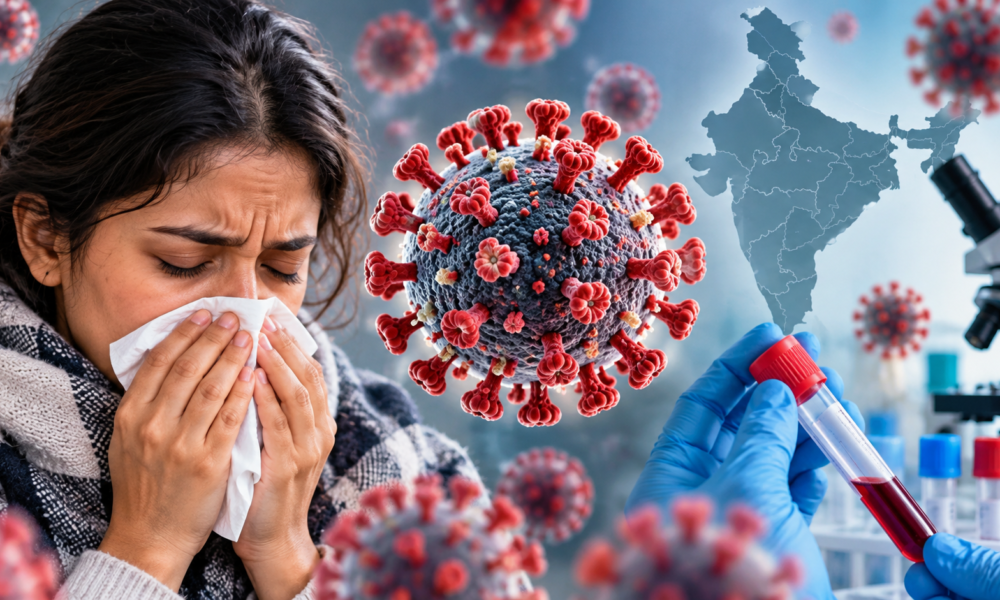
The H1N1 influenza strain accounted for approximately 75% of influenza-positive samples reported in India during an early September surveillance period, according to figures published by The Economic Times on September 29, citing World Health Organization (WHO) data.
The figures covered September 1–14, 2026, and were updated on September 21. They highlight the importance of monitoring seasonal influenza and understanding how respiratory infections can affect different groups of people.
H1N1 is a strain of influenza A virus. It can cause seasonal flu, with symptoms ranging from mild illness to serious complications, particularly among people who are more vulnerable to infection.
What Do the WHO Figures Show?
According to the report, H1N1 accounted for 75% of influenza-positive samples in India during the period covered by the surveillance data.
Across the WHO South-East Asia Region, 817 of 3,632 samples tested positive for influenza, representing a positivity rate of approximately 22%. H1N1 accounted for around 50% of influenza-positive samples across the region.
These figures describe the distribution of positive samples, not the percentage of India’s population infected with H1N1. They should also not be interpreted as evidence that every region of India experienced the same level of influenza activity.
Surveillance data help health authorities understand which influenza viruses are circulating and monitor changes over time. The results represent a particular reporting period and do not, by themselves, establish the current infection rate.
What Is H1N1 Influenza?
H1N1 is a subtype of influenza A virus that can infect the respiratory system. It became widely known during the 2009 influenza pandemic and has since circulated as a seasonal influenza strain.
The virus can spread when an infected person releases respiratory particles while coughing, sneezing, speaking or breathing. Transmission can also occur when people touch contaminated surfaces and then touch their eyes, nose or mouth, although respiratory transmission is an important route.
Common symptoms include fever, cough, sore throat, a runny or blocked nose, headache, muscle aches, tiredness and chills.
Symptoms can resemble those of other respiratory infections, so a person cannot reliably identify H1N1 based on symptoms alone. A healthcare professional may recommend testing depending on the symptoms, risk factors and clinical circumstances.
Who Is at Higher Risk of Complications?
Influenza can affect people of different ages, but some groups face a greater risk of severe illness.
These include older adults, young children, pregnant women and people with certain underlying medical conditions, such as chronic heart or lung disease, diabetes or weakened immune systems.
People in these groups should pay attention to symptoms and seek medical advice early if they become unwell. Prompt assessment can help healthcare professionals decide whether testing, monitoring or antiviral treatment is appropriate.
Breathing difficulties, persistent chest pain, confusion, severe weakness or other signs of serious illness require urgent medical attention.
How Can People Reduce Their Risk?
Several practical measures can help reduce the risk of influenza infection and transmission.
Consider vaccination. Seasonal influenza vaccination is an important preventive measure. People should consult a healthcare professional about the appropriate vaccine and timing, particularly if they belong to a higher-risk group.
Practise respiratory hygiene. Cover coughs and sneezes with a tissue or your elbow, dispose of used tissues safely and clean your hands regularly.
Stay home when unwell. Avoid close contact with others when experiencing flu symptoms, particularly with people who are at higher risk of complications.
Improve indoor ventilation. Fresh air and appropriate ventilation can help reduce the build-up of respiratory particles in indoor spaces.
Seek medical advice when necessary. People at increased risk should not delay assessment if they develop flu symptoms. Antiviral medicines may be recommended in certain cases and work best when started promptly, according to medical advice.
People should avoid taking antibiotics without a prescription because antibiotics do not treat influenza viruses.
What Does This Mean for India?
The reported figures reinforce the importance of continued influenza surveillance, timely diagnosis and public awareness.
Monitoring circulating strains helps health authorities understand changes in influenza activity and supports decisions about preparedness and prevention. However, the figures from September should not be presented as a live measure of influenza cases in October.
For the public, the practical message remains straightforward: understand the symptoms, follow sensible respiratory hygiene, consider vaccination and seek timely medical care when needed.
The key takeaway: H1N1 represented a large share of influenza-positive samples in India’s reported September surveillance data. The figures highlight the importance of prevention and monitoring, but they do not mean that 75% of Indians have influenza.
Source: The Economic Times, September 29, 2026, citing WHO influenza surveillance data.
This report is for general health information and does not replace professional medical advice.



No Comment! Be the first one.