




Climate Change Is Increasing India’s Health Risks: Heat, Dengue and Air Pollution Explained
Climate change is becoming a major public health concern in India, with rising temperatures, infectious disease risks and air pollution affecting millions of people. A new 2026 Lancet Countdown...

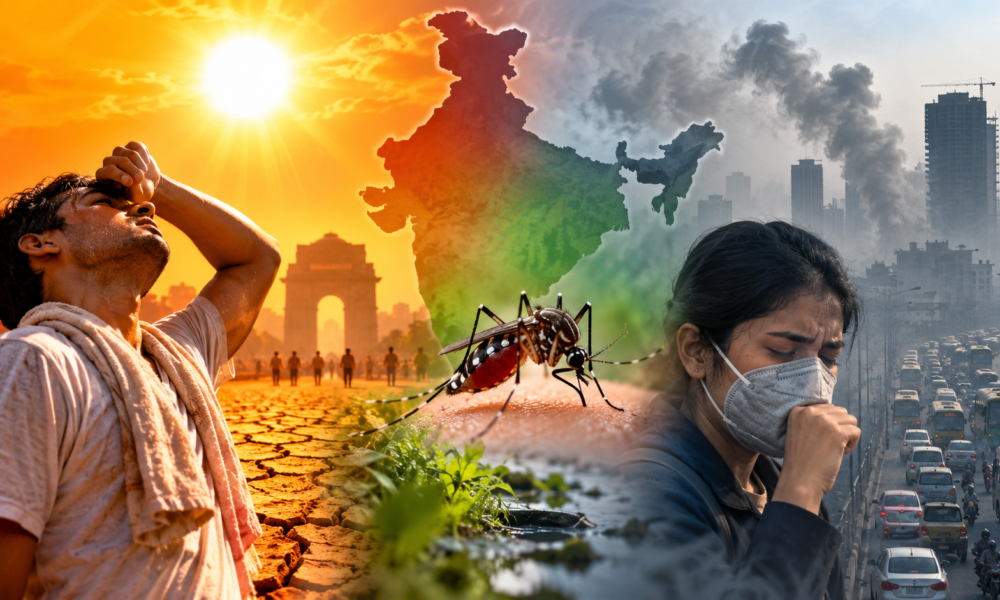
Climate change is becoming a major public health concern in India, with rising temperatures, infectious disease risks and air pollution affecting millions of people. A new 2026 Lancet Countdown report warns that climate-related health threats are increasing, highlighting the need for stronger healthcare preparedness and environmental protection.
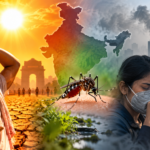
The report, published in October 2026, found that half of India’s heatwave days between 2016 and 2025 were attributable to climate change. It also identified increasing environmental suitability for diseases such as dengue and malaria.
These findings show that climate change is not only an environmental issue. It is also a growing challenge for public health, healthcare systems and economic productivity.
How Is Rising Heat Affecting Human Health?
High temperatures can place considerable pressure on the human body.
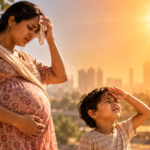
Prolonged heat exposure can cause dehydration, heat exhaustion and heatstroke. It can also worsen existing cardiovascular and respiratory conditions.
According to the Lancet Countdown findings, people in India experienced an average of 10.6 heatwave days annually during 2016–2025. Approximately 5.3 days were attributable to climate change.
The report also estimated that heat exposure caused an average annual loss of 193 billion potential labour hours in India during the same period.
Outdoor workers, construction employees, agricultural labourers, older adults and people with existing health conditions are particularly vulnerable.
High night-time temperatures can create another problem by disturbing sleep and limiting the body’s ability to recover from daytime heat exposure.
Why Could Climate Change Increase Dengue and Malaria Risks?
Temperature, rainfall and humidity influence the environment in which disease-carrying mosquitoes survive and reproduce.
Warmer conditions can affect mosquito development, activity and the geographical suitability of disease transmission.
The Lancet Countdown report found that the transmission potential of dengue spread by Aedes albopictus mosquitoes increased by 84% between 1951–1960 and 2016–2025.
The report also identified an increase in the number of months environmentally suitable for malaria transmission.
However, environmental suitability does not automatically mean that infections will increase everywhere. Actual transmission also depends on mosquito populations, human exposure, public health infrastructure and disease-control measures.
How Does Air Pollution Add to the Health Burden?
Air pollution remains another major health concern.
Fine particulate matter, particularly PM2.5, can penetrate deep into the lungs and enter the bloodstream.
Long-term exposure is associated with respiratory diseases, cardiovascular problems, lung cancer and premature mortality.
The 2026 Lancet Countdown findings estimated that PM2.5 exposure was associated with more than 2.2 million deaths in India in 2023.
Pollution from fossil-fuel combustion and household use of polluting fuels contributes to this burden.
For cities experiencing high traffic volumes, industrial emissions and seasonal pollution, cleaner transport, better energy systems and stronger air-quality monitoring remain important public health priorities.
What Happens During Droughts and Extreme Rainfall?
Climate-related health risks are not limited to extreme heat.
Drought can reduce water availability and create challenges for sanitation and hygiene. Inadequate access to clean water can increase the risk of waterborne infections.
Flooding and heavy rainfall can contaminate drinking-water sources, damage sanitation infrastructure and create stagnant-water breeding sites.
These conditions can increase the risk of infectious diseases, particularly in communities with limited access to safe water and healthcare.
Climate change can also affect food security, livelihoods and nutrition, adding further pressure on vulnerable populations.
What Can India Do to Reduce Climate-Related Health Risks?
Experts recommend stronger coordination between meteorological departments, healthcare authorities and urban planners.
Heat-health action plans should include early warnings, access to drinking water, shaded public spaces and appropriate working arrangements during extreme temperatures.
Hospitals should also strengthen their capacity to manage heat-related emergencies.
Climate-informed disease surveillance can help health authorities identify changing patterns of dengue, malaria and other infections.
Cleaner energy, improved public transport, better waste management and stronger water infrastructure can also reduce environmental health risks.
The Bigger Picture
Climate change is increasingly influencing how people live, work and experience health risks.
India’s challenge is to combine environmental protection with stronger public health systems.
Better forecasting, early diagnosis, disease surveillance and climate-resilient infrastructure will be essential to protecting vulnerable communities.
The key lesson is clear: climate preparedness must become part of healthcare planning, not remain limited to environmental policy.

No Comment! Be the first one.