








Air Pollution and Health: What to Do on Poor AQI Days
Air quality has become a timely health topic as pollution levels rise in parts of India during the winter season. On November 28, Delhi’s overall Air Quality Index was reported in the “poor”...


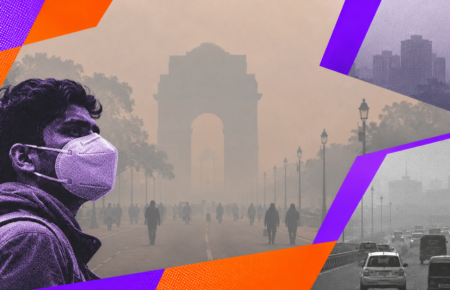
Air quality has become a timely health topic as pollution levels rise in parts of India during the winter season. On November 28, Delhi’s overall Air Quality Index was reported in the “poor” category, with a reading of 252 at 9am, according to the Central Pollution Control Board data cited in news reports. Air quality can differ between locations and change through the day, so residents should check current local readings.
Google Trends data also points to a seasonal rise in searches related to air purifiers during November. That pattern makes air quality a relevant subject for health information, though a search trend does not show how many people are affected or what action they have taken.
Who may be more affected?
Air pollution can affect everyone, but some groups may be more vulnerable. The World Health Organization identifies children, older adults, pregnant women, outdoor workers and people with existing heart or lung conditions as groups who may need particular care during pollution episodes. who.int
People with asthma or other respiratory conditions should follow their clinician’s existing advice and keep prescribed medicines available. If symptoms worsen or breathing becomes difficult, they should seek medical help.
Check the local air quality
Use official local air-quality information, such as CPCB or relevant state and city dashboards. AQI readings can vary across neighbourhoods, and a city-wide figure may not reflect conditions at every location.
When pollution is high, consider changing the time, place or intensity of outdoor activity. The WHO notes that exposure can vary by location and time. People at higher risk may need to reduce strenuous outdoor activity during severe pollution episodes, based on local guidance and their clinician’s advice. who.int
Indoor air needs attention too
Staying indoors may reduce exposure in some situations, but indoor air can also be affected by sources such as tobacco smoke, cooking emissions and incense. Ventilation and outdoor pollution levels both matter. If using an air purifier, choose one appropriate for the room and maintain it according to the manufacturer’s instructions.
No single personal measure removes the sources of pollution. Public action to reduce emissions remains central, while individuals can use local guidance to make decisions during high-pollution periods.
Keep health advice practical
Check air quality before outdoor exercise, follow official alerts and adapt plans when needed. People with existing conditions should follow advice from their healthcare professional rather than relying on general posts or product claims.
Sources: CPCB air-quality reporting for November 28, 2026; World Health Organization guidance on personal interventions and risk communication; India health-search trend report, November 19, 2026.

No Comment! Be the first one.