





Kerala Intensifies Nipah Virus Surveillance as Health Teams Increase Monitoring Measures
State Health Department Expands Precautionary Screening in High-Risk Districts Kerala health authorities have intensified Nipah virus surveillance measures across multiple districts following renewed...

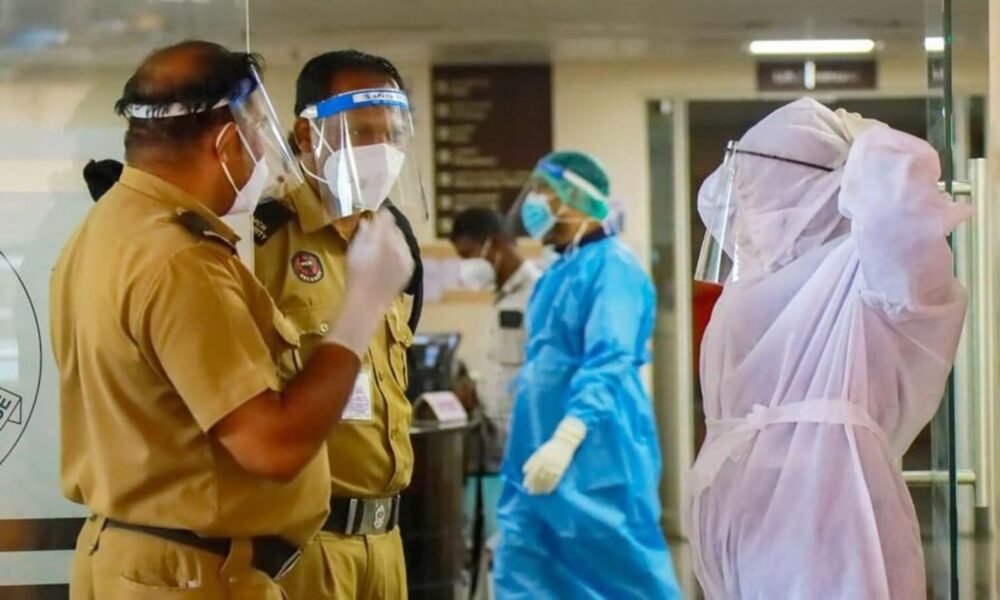
State Health Department Expands Precautionary Screening in High-Risk Districts
Kerala health authorities have intensified Nipah virus surveillance measures across multiple districts following renewed monitoring activity linked to seasonal zoonotic disease preparedness.
Officials from the state health department have increased field-level surveillance, hospital preparedness reviews, and contact-monitoring protocols in districts previously considered vulnerable to Nipah outbreaks, including Kozhikode and Malappuram.
Health teams are reportedly reviewing isolation facilities, laboratory coordination systems, and rapid response mechanisms as part of precautionary preparedness ahead of the monsoon season, when zoonotic disease concerns often receive greater attention.
The National Centre for Disease Control and state surveillance units are also coordinating with local administrations regarding symptom tracking and public awareness activity in sensitive zones.
Medical experts say Nipah virus infections remain rare but are treated with high caution due to their severe neurological and respiratory complications. Previous outbreaks in Kerala had triggered intensive containment operations involving tracing, quarantine management, and hospital isolation procedures.
Officials Urge Public to Avoid Panic and Follow Verified Updates
State authorities have clarified that the current surveillance activity is precautionary and no large-scale public health emergency has been declared.
Health officials are advising citizens to avoid misinformation and rely only on verified updates issued through official government communication channels.
Public health specialists continue recommending caution regarding exposure to contaminated fruits, bat habitats, and infected animals in high-risk environments.
Hospitals across select districts have also reportedly reviewed infection-control systems and emergency preparedness plans as part of broader disease-monitoring protocols.
The development comes at a time when multiple Indian states are increasing surveillance around seasonal viral infections and monsoon-linked disease risks.
Health experts believe early detection, rapid isolation systems, and coordinated local surveillance remain critical in preventing future outbreaks of high-risk infectious diseases.







No Comment! Be the first one.