








Technology and Mental Health: How Digital Work Affects Sleep and Stress
Digital technology has transformed how people communicate, work and manage everyday responsibilities. From virtual meetings and cloud-based platforms to artificial intelligence tools, digital systems...

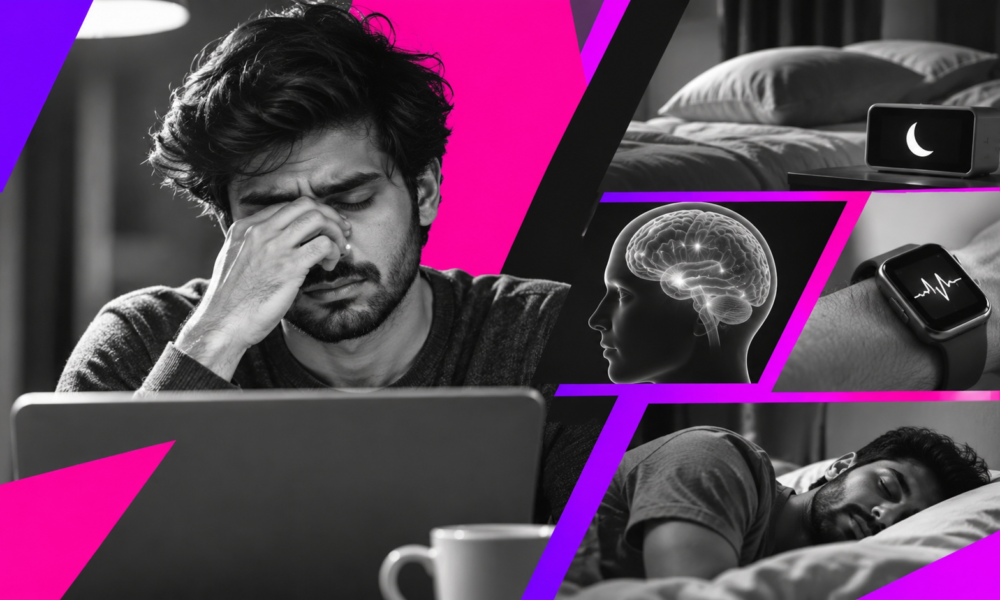
Digital technology has transformed how people communicate, work and manage everyday responsibilities.
From virtual meetings and cloud-based platforms to artificial intelligence tools, digital systems have become an integral part of modern workplaces.
However, the increasing dependence on technology also raises questions about employee well-being.
Extended screen exposure, continuous notifications, online meetings and expectations of constant availability can influence sleep patterns, stress levels and work-life boundaries.
- Digital work can extend beyond office hours
Remote working and digital communication tools have made professional collaboration easier.
However, employees may increasingly find themselves responding to messages and checking work-related notifications after office hours.
This can reduce opportunities for mental recovery.
When employees feel they must remain constantly available, it may become difficult to separate professional responsibilities from personal time.
- Screen exposure and sleep quality
Working on digital devices late into the evening can interfere with normal sleep routines.
Light exposure, stimulating content and continued mental engagement may delay relaxation and bedtime.
Sleep disruption can affect concentration, memory, emotional regulation and daytime productivity.
Maintaining consistent sleep schedules and reducing unnecessary screen activity before bedtime can help.
- Continuous notifications and mental fatigue
Smartphones, emails and workplace messaging platforms generate frequent interruptions.
Switching repeatedly between tasks can make it harder to maintain concentration.
Employees may experience mental fatigue when they continuously monitor messages, meetings and deadlines.
Organising notification settings and setting dedicated periods for focused work can help reduce interruptions.
- Video meetings and digital exhaustion
Virtual meetings have become a common feature of professional life.
However, back-to-back meetings can leave employees with limited time for breaks, independent work and movement.
Constant attention to screens and the pressure to remain visually engaged may also contribute to fatigue.
Organisations can improve digital work practices by scheduling shorter meetings and providing appropriate breaks.
- Technology and physical inactivity
Digital work often involves spending several hours sitting at a desk.
Limited movement can contribute to muscle discomfort and a sedentary lifestyle.
Regular walking, stretching and appropriate workstation arrangements can improve physical comfort.
The World Health Organization recommends regular physical activity for adults and advises limiting sedentary behaviour.
- Artificial intelligence and workplace anxiety
Artificial intelligence is changing professional responsibilities across several industries.
Although AI can improve efficiency and support new opportunities, uncertainty about changing job requirements may create anxiety among some employees.
Workers may worry about skill relevance, employment stability and expectations to adapt quickly.
Employers can reduce unnecessary uncertainty through transparent communication, training opportunities and realistic expectations around technology adoption.
- Seven ways to improve digital well-being
Employees can develop healthier technology habits through practical measures.
Establish clear working hours.
Silence unnecessary notifications outside work.
Take regular breaks from screens.
Avoid checking work messages immediately before sleeping.
Maintain a comfortable workstation.
Include walking and physical activity in daily routines.
Make time for offline social interaction and relaxation.
Creating healthier digital workplaces
Digital technology is unlikely to become less important in professional life.
The challenge is to ensure that increased connectivity does not come at the expense of employee well-being.
Employers should consider digital workloads, meeting schedules, notification expectations and opportunities for professional development.
Employees should also recognise the importance of rest and boundaries.
A healthy digital workplace is not one where people remain online throughout the day. It is one where technology helps people work effectively while protecting their physical and mental health.



No Comment! Be the first one.