








How AI-Powered Diagnostics Are Reshaping India’s Healthcare System
Artificial intelligence is steadily moving from research labs into hospitals, diagnostic centres and primary healthcare facilities across India. From reading medical scans faster to assisting doctors...

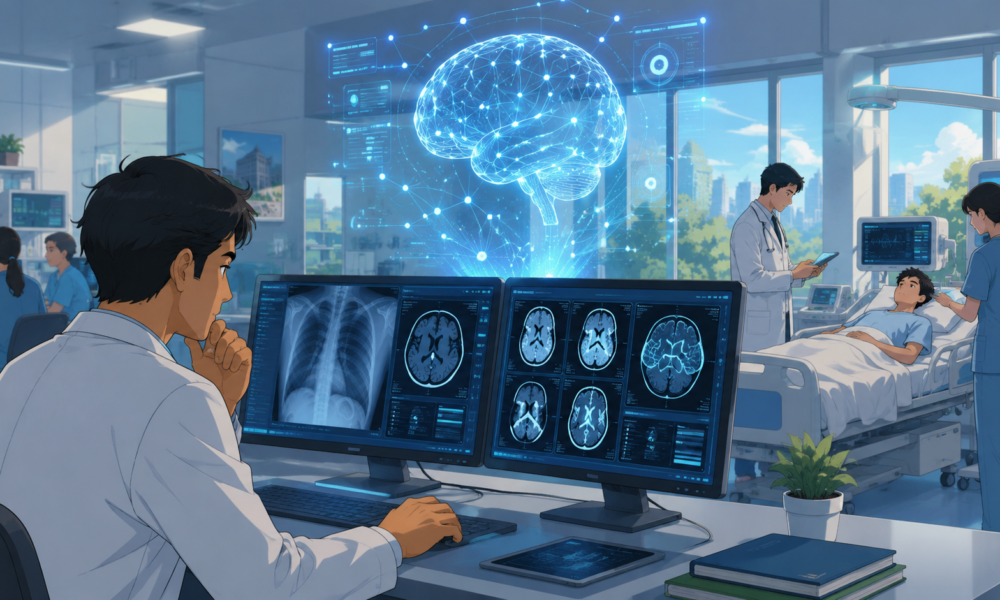
Artificial intelligence is steadily moving from research labs into hospitals, diagnostic centres and primary healthcare facilities across India. From reading medical scans faster to assisting doctors in identifying diseases at an early stage, AI is beginning to change how healthcare is delivered across the country.
India’s healthcare sector faces a growing demand for quality medical services, while continuing to deal with shortages of specialists, uneven access to healthcare and increasing patient volumes. AI is emerging as one of the technologies helping bridge these gaps by improving efficiency rather than replacing medical professionals. Industry experts believe the future lies in combining clinical expertise with intelligent digital tools that support faster and more accurate decision making.
One of the most significant applications of AI is in diagnostic imaging. Modern AI systems can analyse X-rays, CT scans and MRI images within minutes, highlighting potential abnormalities for radiologists to review. This reduces reporting times and allows doctors to prioritise urgent cases more effectively. While the final diagnosis remains the responsibility of medical professionals, AI serves as an additional layer of support that can improve consistency and reduce the risk of missed findings.
The technology is also helping laboratories process large volumes of pathology samples more efficiently. AI-powered software can identify irregular patterns in blood tests and tissue samples, enabling quicker detection of diseases such as cancer and infectious conditions. This is particularly valuable in regions where experienced specialists are limited.
Hospitals are increasingly using AI beyond diagnostics. Predictive analytics can identify patients who may require intensive care, while digital platforms monitor patient records to alert doctors about changes in health conditions. Remote patient monitoring is also expanding, allowing healthcare providers to track patients after discharge without requiring frequent hospital visits. These capabilities improve continuity of care and reduce pressure on hospital infrastructure.
For rural India, AI has the potential to improve healthcare accessibility. Telemedicine platforms equipped with AI-based clinical decision support can assist healthcare workers in remote areas where specialist doctors are unavailable. Patients can receive faster preliminary assessments before being referred to larger medical centres when necessary. This approach could reduce delays in treatment while making healthcare more accessible to underserved communities.
However, wider adoption still depends on addressing several challenges. Healthcare organisations must ensure patient data remains secure while AI systems are trained using high-quality medical datasets. Regulatory frameworks, clinical validation and transparency will also play an important role in building trust among healthcare professionals and patients. Medical experts continue to emphasise that AI should complement doctors rather than replace clinical judgement.
Investment in healthcare technology is expected to continue growing as both public and private healthcare providers modernise their infrastructure. Several leading hospital groups are expanding digital capabilities alongside investments in diagnostics, specialised care and capacity expansion. This reflects a broader shift towards technology-enabled healthcare that focuses on improving patient outcomes while making services more efficient.
As India advances its digital health ecosystem, AI is becoming an important part of modern healthcare delivery. The technology offers opportunities to improve diagnostic accuracy, expand access to specialist care and strengthen healthcare systems without replacing the expertise of doctors. The coming years will determine how effectively healthcare providers integrate these tools into everyday clinical practice, but AI is already proving that it can become a valuable partner in delivering better healthcare for millions.







No Comment! Be the first one.