








Indians over 40 should be screened for both diabetes and hypertension, study suggests
Indians aged 40 and above who are diagnosed with either diabetes or hypertension should also be routinely screened for the other condition, according to a new study that analysed the health records...

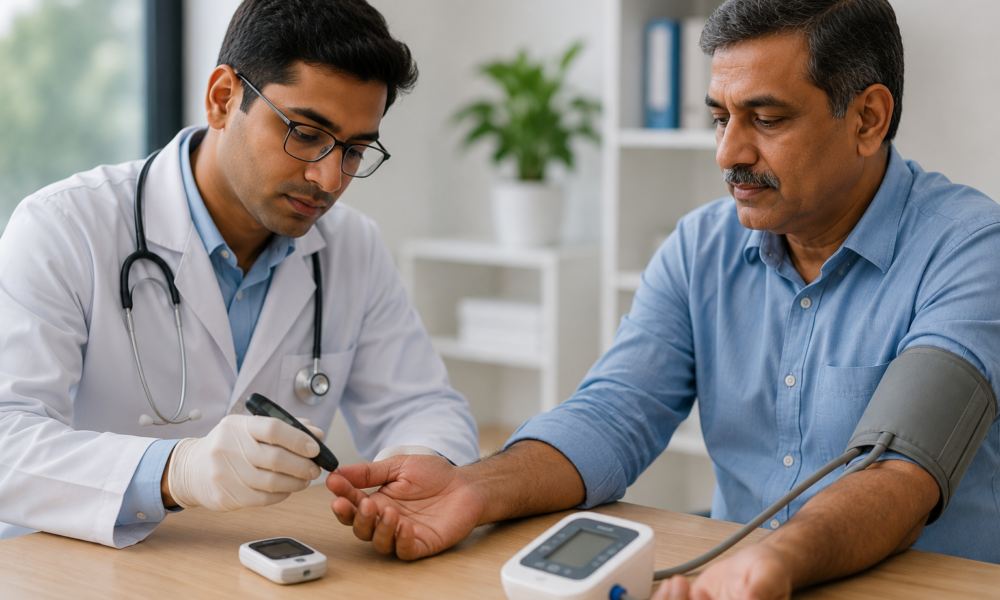
Indians aged 40 and above who are diagnosed with either diabetes or hypertension should also be routinely screened for the other condition, according to a new study that analysed the health records of more than 56,000 adults. Researchers found that the two diseases increasingly occur together from middle age, raising the risk of serious complications such as heart disease, stroke and kidney damage.
The study, published in the journal Diabetes & Metabolic Syndrome: Clinical Research & Reviews, examined electronic health records from 56,393 adults who underwent preventive health check-ups at six hospitals across Delhi NCR between 2021 and 2024. It found that the coexistence of diabetes and hypertension begins rising sharply around the age of 40, continues increasing until the late 50s and then levels off by around the age of 70.
Researchers reported that nearly one in 20 adults in the study had both conditions. More importantly, the two diseases were found to occur almost twice as often as would be expected if they were completely independent of each other. This relationship, known as a synergy factor, suggests they share several common biological and lifestyle risk factors, including obesity, insulin resistance, chronic inflammation and physical inactivity.
India already carries one of the world’s largest burdens of both diseases. Previous ICMR estimates suggest around 101 million Indians are living with diabetes, while nearly 315 million have hypertension. Together, these conditions are among the leading causes of cardiovascular disease, kidney failure and premature death.
Doctors involved in the research say healthcare providers should stop treating diabetes and hypertension as separate illnesses. Instead, diagnosing one condition should automatically trigger screening for the other, allowing earlier treatment and reducing the risk of long-term complications. Early diagnosis is particularly important because both diseases often develop silently without obvious symptoms.
The findings also reinforce the growing importance of preventive health check-ups. Routine blood pressure measurement, fasting blood sugar tests and HbA1c screening can help detect problems before permanent damage occurs. Lifestyle changes such as regular physical activity, maintaining a healthy weight, reducing salt intake, limiting added sugar, avoiding tobacco and managing stress remain among the most effective ways to lower risk.
The study comes at a time when India is witnessing a steady rise in lifestyle-related diseases linked to urbanisation, changing diets and sedentary habits. Public health experts believe integrated screening programmes at primary healthcare centres could improve early detection while reducing the future burden on hospitals and healthcare systems.
As non-communicable diseases continue to rise across the country, the researchers say a combined approach to diabetes and hypertension screening could become an important part of preventive healthcare. Identifying both conditions early gives patients a better chance of avoiding serious complications and improving their long-term quality of life.








No Comment! Be the first one.