




India’s 12.4 Lakh Chemists Could Join TB Detection Drive Under New Health Push
India’s retail chemist network could play a larger role in the country’s tuberculosis elimination efforts after the All India Organisation of Chemists and Druggists (AIOCD) offered its nationwide...

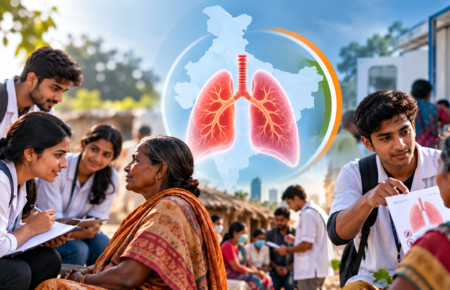
India’s retail chemist network could play a larger role in the country’s tuberculosis elimination efforts after the All India Organisation of Chemists and Druggists (AIOCD) offered its nationwide network to the Union Health Ministry.
The organisation, which represents around 12.4 lakh retail chemists and pharmaceutical distributors, has proposed a structured partnership with the government to use pharmacies as community-level points for TB awareness, early identification and referral. The proposal comes as India continues to expand the Pradhan Mantri TB Mukt Bharat Abhiyaan and strengthen efforts to find undiagnosed cases.
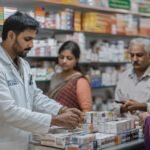
AIOCD has written to the Additional Secretary and Mission Director of the National Health Mission, suggesting that retail pharmacies could become useful touchpoints for identifying people who may have symptoms associated with tuberculosis. Chemists are often among the first healthcare contacts for people seeking medicines for persistent cough, fever and other respiratory symptoms, particularly in areas where access to formal healthcare facilities may be limited.
Under the proposed partnership, AIOCD plans to use its state and district-level network to conduct awareness campaigns and sensitisation programmes for pharmacists. The organisation wants chemists to be better informed about symptoms that could indicate TB and to encourage people with suspected symptoms to undergo appropriate testing rather than relying only on over-the-counter medicines.
The proposal would also involve educating retail pharmacists about the government’s TB reporting and referral processes. The aim is to connect suspected cases with government health facilities, where patients can receive diagnostic testing and, when required, treatment through the National Tuberculosis Elimination Programme (NTEP).
The government’s existing TB strategy already recognises the value of chemists and private healthcare providers in finding cases earlier. Official guidance for the TB Mukt Bharat Abhiyaan calls for awareness activities at chemist and druggist stores and recommends sensitising pharmacists to refer people with respiratory symptoms for testing.
The proposed expansion could therefore strengthen an approach that is already part of the national programme. Retail pharmacies have a presence across both urban and rural communities, allowing health messages to reach people who may not regularly visit hospitals or primary health centres.
India’s TB elimination campaign has also expanded its community-based approach in recent years. According to the Health Ministry, more than 28 crore vulnerable people had been screened for TB since the launch of the intensified TB Mukt Bharat Abhiyaan in December 2024, resulting in more than 39 lakh TB notifications. Active screening also identified 12.93 lakh people with TB who did not initially show symptoms.
The campaign has combined screening with treatment support and community participation. More than 5.7 lakh Ni-kshay Mitras have registered under the initiative, while 38.9 lakh nutrition baskets have been distributed to TB patients, according to government figures released in July.
AIOCD’s proposal would add another layer to this community network. Instead of viewing pharmacies only as places where medicines are purchased, the initiative could turn them into points for health education and early referral.
The proposal still requires a formal institutional framework between the government and the chemists’ organisation. If adopted, the partnership could help reduce delays in diagnosis, improve awareness about TB symptoms and strengthen links between community pharmacies and public healthcare services.
For India’s TB elimination programme, the idea reflects a wider shift towards finding patients earlier by taking health awareness and screening closer to where people live and seek everyday healthcare.





No Comment! Be the first one.