






Why Weather Changes Can Affect Your Lungs: Seasonal Triggers, Prevention Tips and Warning Signs
Have you ever noticed more coughing, wheezing or breathing discomfort when the weather suddenly changes? Seasonal changes can affect the lungs, especially in people with asthma, allergies or...

Have you ever noticed more coughing, wheezing or breathing discomfort when the weather suddenly changes? Seasonal changes can affect the lungs, especially in people with asthma, allergies or sensitive airways.
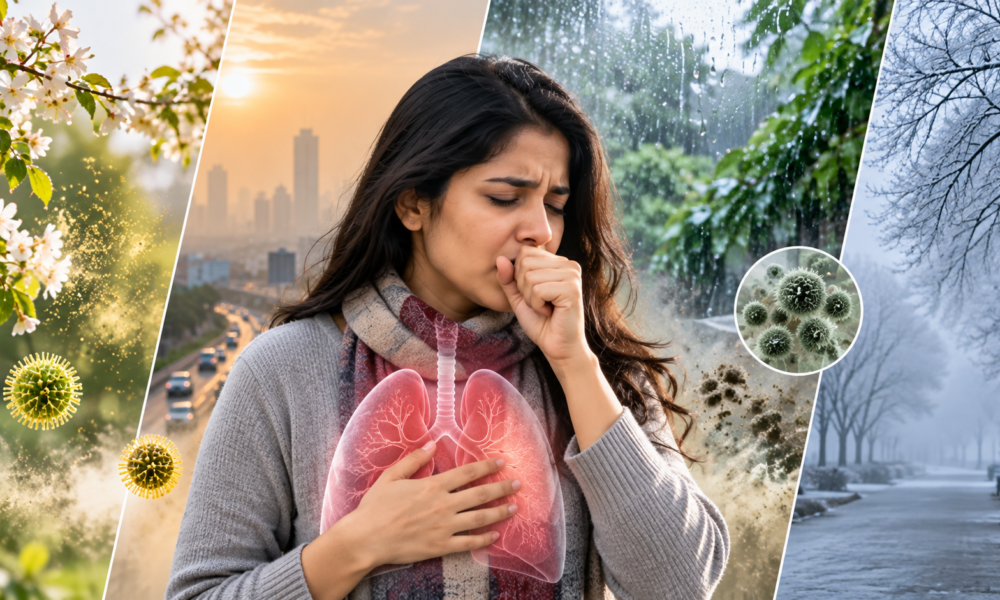
As the seasons change, the air around us also changes. Pollen, dust, pollution, humidity, mould and cold air can all affect the respiratory system.
A sudden temperature change can also irritate the airways and trigger symptoms such as coughing, wheezing, breathlessness or chest tightness.
According to pulmonary medicine specialist Dr Harish Verma, seasonal changes can bring different environmental triggers that may affect lung health.
Why Weather Changes Can Affect the Lungs
The lungs are constantly exposed to the air we breathe. When the weather changes, the air can contain different levels of pollen, dust, moisture and pollution.
For people with sensitive airways, these changes can cause irritation and inflammation.
This may lead to symptoms such as:
- Coughing
- Wheezing
- Breathlessness
- Chest tightness
- Nose irritation
- Allergy symptoms
- A sudden shift from warm air to cold air can also irritate the airways and cause coughing or wheezing.
How Different Seasons Can Affect Your Respiratory Health
Different seasons can bring different respiratory triggers.
Spring: More Pollen
Spring can bring higher levels of pollen into the air. Pollen can irritate the airways and trigger allergic reactions in sensitive people.
People with pollen allergies may experience symptoms such as sneezing, nasal irritation and breathing discomfort.
Winter: Cold and Dry Air
Winter brings colder and drier air.
Cold air can irritate and narrow the airways, which may make breathing more difficult, particularly for people with asthma or sensitive lungs.
Sudden exposure to cold air can also trigger coughing or wheezing.
Rainy Season: Humidity, Mould and Dust Mites
The rainy season often brings higher humidity.
Damp conditions can encourage the growth of mould and increase the presence of dust mites. Both can act as allergens and may cause problems for people who are sensitive to them.
Damp areas inside homes can therefore become an important source of respiratory triggers.
Common Triggers to Watch Out For
Weather itself is not the only factor that can affect your breathing. Seasonal changes can also change your exposure to several environmental triggers.
- Pollen
Pollen from plants can trigger allergies in some people. Exposure may cause sneezing, nasal irritation and other allergy symptoms.
- Air Pollution
Pollution can irritate the respiratory system. People with existing breathing problems may be particularly sensitive to poor air quality.
- Cold Air
Cold air can irritate the airways and may cause coughing or wheezing, particularly in people with asthma.
- Mould
Mould can grow in damp and humid environments. It can act as an allergen and may trigger respiratory symptoms in sensitive people.
- Dust and Dust Mites
House dust and dust mites can also trigger allergies and respiratory symptoms. Bedrooms and other areas where dust collects can be important sources of exposure.
Simple Ways to Protect Your Lungs
You do not always need major changes to reduce exposure to common respiratory triggers.
Here are some simple steps:
Check Air Quality
- Keep an eye on daily air-quality conditions, particularly if you have asthma or are sensitive to pollution.
- On days when air quality is poor, reducing prolonged outdoor exposure may help.
- Keep Indoor Spaces Clean
- Regularly clean areas where dust can collect. Try to keep your home free from excessive dust and indoor pollutants.
- Reduce Exposure to Your Triggers
- If you know that pollen, dust, mould or cold air causes your symptoms, try to avoid or reduce exposure wherever possible.
- Follow Your Prescribed Treatment
People who use asthma medication or inhalers should take them as directed by their doctor and keep their prescribed inhaler available when needed.
- Do not change or stop prescribed medication without medical advice.
- Protect Yourself From Cold Air
- During colder weather, covering your mouth and nose can help reduce direct exposure to cold air.
- When Should You See a Doctor?
- Seasonal coughing or allergy symptoms should not always be ignored, particularly when they become worse.
- You should consider speaking to a doctor if you experience:
- Increasing breathlessness
- Persistent or worsening cough
- Wheezing
- Chest tightness
- Repeated respiratory symptoms during seasonal changes
- A noticeable worsening of an existing breathing condition
People with asthma or other respiratory conditions should follow their doctor’s advice and seek medical attention if their symptoms deteriorate.
Severe breathing difficulty, blue or grey lips or face, confusion, or an inability to speak normally because of breathlessness requires urgent medical attention.
Weather Changes Do Not Affect Everyone in the Same Way
A change in weather does not automatically mean that everyone will develop a respiratory problem.
The effect can depend on a person’s existing health conditions, allergies and sensitivity to environmental triggers.
Someone who is sensitive to pollen may have more problems during pollen-heavy seasons, while another person with asthma may be more affected by cold air or pollution.
Understanding your own triggers can therefore be useful in managing seasonal symptoms.
The Bottom Line
Weather changes can bring several environmental changes that affect the respiratory system.
Pollen, pollution, cold air, humidity, mould, dust and dust mites can irritate the airways and may trigger symptoms in people with asthma or allergies.
Keeping indoor spaces clean, checking air quality, avoiding known triggers and following prescribed treatment can help protect respiratory health.
If coughing, wheezing or breathlessness becomes worse during seasonal changes, do not ignore the symptoms. Speaking with a healthcare professional can help identify the cause and determine the right treatment.



No Comment! Be the first one.