







Why September’s Changing Weather Can Trigger Cough, Allergies and Breathing Problems: Simple Ways to Stay Healthy
Respiratory symptoms commonly experienced in cities can be triggered by fluctuating temperatures, changing humidity levels, dust, pollution, and poor indoor air quality. These factors can aggravate...

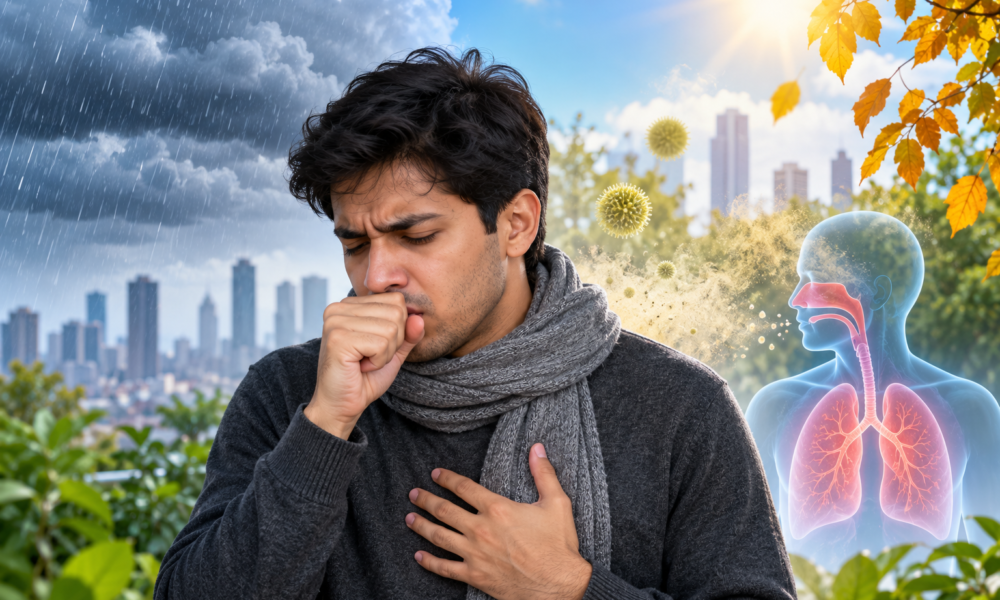
Respiratory symptoms commonly experienced in cities can be triggered by fluctuating temperatures, changing humidity levels, dust, pollution, and poor indoor air quality. These factors can aggravate allergies and other respiratory symptoms, particularly during seasonal transitions.
As monsoon conditions begin transitioning towards autumn in different parts of India, some people may experience an increase in respiratory discomfort. Symptoms can vary from person to person and may include sneezing, nasal congestion, coughing, throat irritation, runny nose, itchy eyes, and breathing difficulties. Understanding these triggers and taking practical precautions can help reduce discomfort.
Sudden changes in temperature and humidity can irritate the nose, throat, and airways, while the body may take some time to adjust to changing weather conditions. Common triggers include dust, mould, pollen, pollution, and indoor dampness. It is also important to distinguish between an allergy-related cough and an infection, as the two can have overlapping symptoms but may require different approaches.
Allergies can worsen during seasonal transitions because of increased exposure to dust, pollen, mould, and other indoor allergens. Damp environments can encourage mould growth, which may further irritate the respiratory system. Common allergy symptoms include repeated sneezing, a runny or blocked nose, itchy or watery eyes, and throat irritation. Some people may also experience a persistent dry cough, wheezing, or shortness of breath, particularly if they are sensitive to allergens.
Symptoms of allergies, infections, and pollution exposure can sometimes overlap. Allergies commonly cause itching, repeated sneezing, and watery eyes, while respiratory infections may be accompanied by symptoms such as fever, body aches, fatigue, or a general feeling of being unwell.
Indoor air quality also plays an important role in respiratory health. Closed or poorly ventilated rooms can accumulate dust, pollutants, and allergens. Regularly cleaning fans, air-conditioner filters, carpets, curtains, and bedding can help reduce the accumulation of these irritants. It is also important to prevent excessive dampness and address areas where mould may develop.
During seasonal transitions, staying adequately hydrated and maintaining good hand hygiene are also important. People should avoid exposure to cigarette smoke and other respiratory irritants whenever possible.
While mild symptoms may resolve on their own, a persistent cough, recurring wheezing, chest discomfort, or difficulty breathing should not be ignored. Anyone experiencing significant or worsening breathing difficulties should seek medical attention promptly.





No Comment! Be the first one.