








WHO Sets 10-Year Research Direction for Traditional Medicine
The World Health Organization (WHO) is placing stronger emphasis on research, evidence and regulation in traditional medicine as part of its 2025–2034 Global Traditional Medicine Strategy. The...

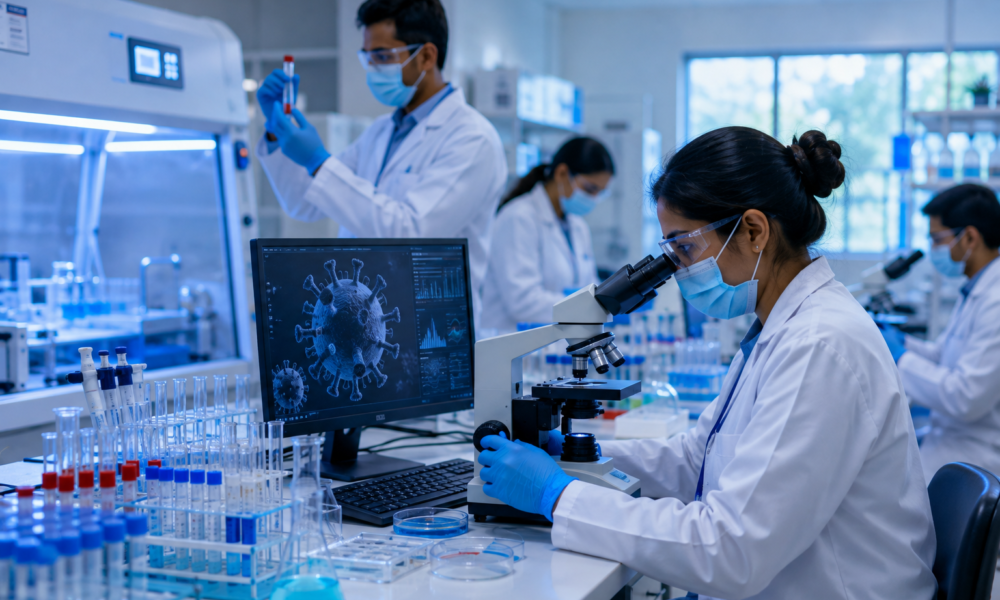
The World Health Organization (WHO) is placing stronger emphasis on research, evidence and regulation in traditional medicine as part of its 2025–2034 Global Traditional Medicine Strategy.
The strategy focuses on strengthening the evidence base for traditional medicine, supporting appropriate regulation, improving safety and exploring how traditional medicine can contribute to health systems. ([World Health Organization][5])
WHO has highlighted the need for more scientific evidence because traditional medicine is widely used around the world, while research funding in the field remains relatively limited.
At the 2026 World Health Assembly, WHO said traditional medicine was being discussed in the context of innovation, equity, sustainability and health-system integration. ([World Health Organization][5])
The WHO Global Traditional Medicine Centre in Jamnagar, Gujarat, has been established with a focus on evidence and learning, data and analytics, sustainability and equity, and innovation and technology. ([World Health Organization][6])
India has committed substantial financial support to the centre. WHO says India has committed an estimated US$250 million towards the establishment, infrastructure and operations of the centre, including a 10-year commitment.
The focus on evidence is important because traditional medicine covers a wide range of practices and products. Their safety and effectiveness can vary depending on the treatment, product, dosage and circumstances.
WHO’s approach is therefore not simply about promoting traditional medicine. Its stated strategy includes research, regulation, quality assurance and continuous evaluation. ([World Health Organization
Technology is also becoming part of the discussion. WHO has identified innovation and technology, including digital tools and AI-related applications, as areas relevant to traditional medicine research and development. ([World Health Organization.
For healthcare systems, stronger evidence could help policymakers determine where traditional medicine can be safely incorporated into health services.
For researchers, the strategy creates a framework for investigating traditional practices using scientific methods.
For patients, the emphasis on evidence and safety is particularly important because healthcare decisions should be based on reliable information and appropriate professional guidance.
The coming years could therefore see greater research activity around traditional medicine, alongside efforts to improve standards, data collection and regulatory systems.




No Comment! Be the first one.