






How Much Water Should You Drink Daily? Hydration Facts Explained
Water is essential for everyday bodily functions, from regulating temperature to supporting digestion and circulation. Yet one common health question continues to cause confusion: how much water...

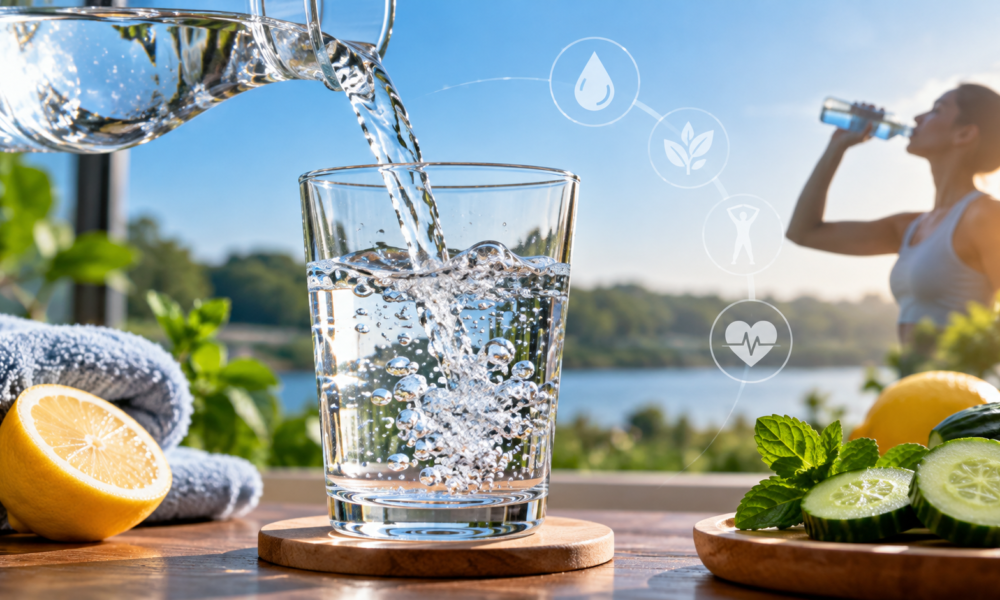
Water is essential for everyday bodily functions, from regulating temperature to supporting digestion and circulation. Yet one common health question continues to cause confusion: how much water should a person drink every day?
The answer is not identical for everyone. Fluid requirements vary according to physical activity, climate, diet, age, pregnancy, breastfeeding and certain medical conditions. People living in hot environments or exercising heavily may need more fluids than those spending most of their day in cooler conditions.
- Why does the body need water?
Water helps regulate body temperature, transport nutrients, support circulation and remove waste through urine. It also contributes to normal digestion and helps maintain fluid balance.
The body continually loses water through urine, sweating, breathing and bowel movements. These losses increase during physical activity, hot weather, fever, vomiting and diarrhoea.
When fluid losses are not adequately replaced, dehydration can develop. Its severity ranges from mild symptoms to a potentially serious medical problem.
- Is eight glasses of water a day the right amount?
The recommendation to drink eight glasses of water daily is easy to remember, but it is not a universal medical prescription.
Water requirements depend on the individual and their circumstances. Total water intake includes drinking water, other beverages and moisture obtained from food.
The US National Academies’ dietary reference material also notes that water requirements vary substantially with climate, activity and other factors. Its reference values should not be treated as a fixed prescription for every
Indian adult.
A practical starting point for many healthy adults is to drink regularly throughout the day, respond to thirst and increase intake when conditions lead to greater fluid loss. People with specific medical restrictions should follow their clinician’s advice instead.
- How can you recognise dehydration?
Possible signs include:
- Feeling thirsty or experiencing a dry mouth.
- Passing urine less frequently than usual.
- Darker-than-usual urine.
- Headaches, tiredness or dizziness.
These symptoms are not exclusive to dehydration, so persistent or severe symptoms should not automatically be attributed to a lack of water.
Severe confusion, fainting, marked weakness or an inability to keep fluids down warrants urgent medical assessment, especially during heat exposure or illness.
- How much water do you need in hot Indian weather?
Hot weather can increase sweating and fluid losses, particularly for outdoor workers, delivery personnel, athletes and people travelling without adequate shade.
Drink fluids regularly, carry drinking water when outdoors and take breaks in cooler areas. During prolonged strenuous activity or substantial sweating, electrolyte replacement may sometimes be appropriate.
People experiencing vomiting or diarrhoea may need oral rehydration solution (ORS), rather than relying exclusively on plain water. Use a correctly prepared ORS product and seek medical care when symptoms are severe or persistent.
- Can you drink too much water?
Yes. Consuming excessive amounts of water, especially rapidly, can dilute sodium in the blood and cause a potentially dangerous condition called hyponatraemia.
Do not force yourself to drink large volumes simply to meet an arbitrary target. During prolonged exercise, follow an appropriate hydration strategy instead of drinking beyond your needs.
People with kidney disease, heart failure or conditions requiring fluid restriction should obtain individual guidance from their healthcare team.
- Which foods help with hydration?
Water-rich foods such as cucumber, watermelon, oranges, tomatoes and bottle gourd can contribute to total fluid intake. Soups and other beverages also provide fluids.
However, food alone may not replace the water needed during heavy sweating or illness. Plain drinking water is an appropriate everyday choice for most healthy adults, while sugary drinks should not be the default hydration strategy.
Hydration is about meeting your body’s needs, not chasing a fixed number of glasses. Drink regularly, account for heat and activity, recognise warning signs and seek individual advice when a medical condition affects fluid requirements.






No Comment! Be the first one.