








Rare Heart Conditions in Young Adults: Why Persistent Symptoms Need Attention
Heart disease is often associated with older adults, but younger people can also experience cardiac conditions, including rare disorders that may initially be difficult to identify. A September 28...

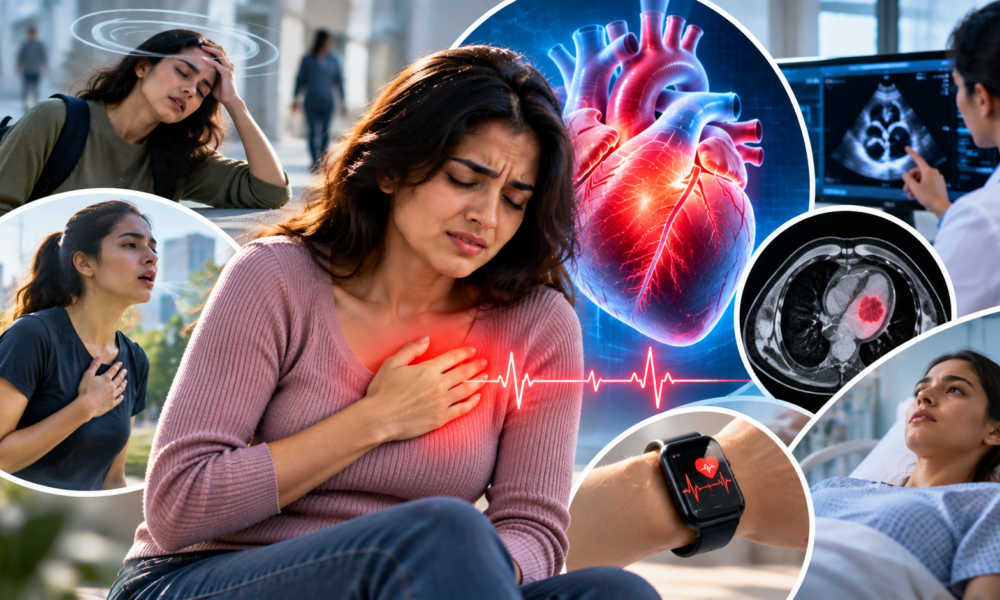
Heart disease is often associated with older adults, but younger people can also experience cardiac conditions, including rare disorders that may initially be difficult to identify.
A September 28 report published ahead of World Heart Day described two young women whose persistent symptoms eventually led doctors to identify uncommon heart conditions.
One case involved a young woman experiencing unexplained blackouts and racing heartbeats. Investigations eventually revealed a cardiac tumour that had not been identified through routine testing.
Another case involved a woman who had been born with a hole in her heart and underwent surgery during childhood. Despite treatment, she continued to experience breathlessness for years before doctors identified that the original diagnosis did not fully explain her symptoms.
The cases highlight an important lesson: persistent symptoms deserve attention, even when someone is young.
Blackouts, recurrent palpitations, unexplained breathlessness, chest discomfort or a noticeable decline in exercise tolerance can have many causes. Some may be relatively minor, while others may require medical evaluation.
Age alone should not determine whether symptoms are investigated.
At the same time, these cases should not create unnecessary fear. Rare cardiac conditions remain uncommon, and experiencing a symptom does not automatically mean that a person has a serious heart disorder.
The important factor is persistence, severity and context.
For example, someone who repeatedly experiences unexplained fainting should discuss it with a doctor. Similarly, recurring palpitations or unexplained breathlessness may warrant assessment, especially when symptoms are new or becoming more frequent.
Medical evaluation may involve a detailed history, physical examination and tests chosen according to the symptoms.
Depending on the situation, doctors may consider an electrocardiogram, echocardiogram, blood tests, ambulatory rhythm monitoring or imaging.
The appropriate test varies from person to person.
The cases also demonstrate why a single test may not always provide the complete picture.
Some cardiac problems can be intermittent. Others may be difficult to detect with basic testing, particularly when symptoms occur outside a clinical setting.
This is one reason wearable heart monitors and longer-term rhythm monitoring can sometimes provide useful additional information. However, as cardiologists have also emphasised, wearable alerts do not replace clinical assessment.
Family history can be another relevant factor.
People with a family history of certain heart conditions, unexplained sudden cardiac death or inherited cardiac disorders should discuss their history with a healthcare professional.
Lifestyle also remains relevant for younger adults. Smoking, physical inactivity, poor diet, high blood pressure, diabetes and high cholesterol can contribute to cardiovascular risk even before middle age.
World Heart Day therefore provides an opportunity to broaden the conversation around cardiovascular health.
Heart health is not only an issue for older generations.
For younger people, the key message is not to become alarmed by every unusual sensation. Instead, persistent, recurrent or unexplained symptoms should not simply be ignored.
Listening to the body does not mean diagnosing yourself.
It means recognising when something has changed and seeking appropriate medical advice.






No Comment! Be the first one.