






Bangalore Weather and Respiratory Health
Pollen from trees, grasses and weeds can trigger allergic rhinitis, commonly known as hay fever. Symptoms include sneezing, a runny or blocked nose, and itchy or watery eyes. Pollen exposure can also...

- Pollen and seasonal allergies
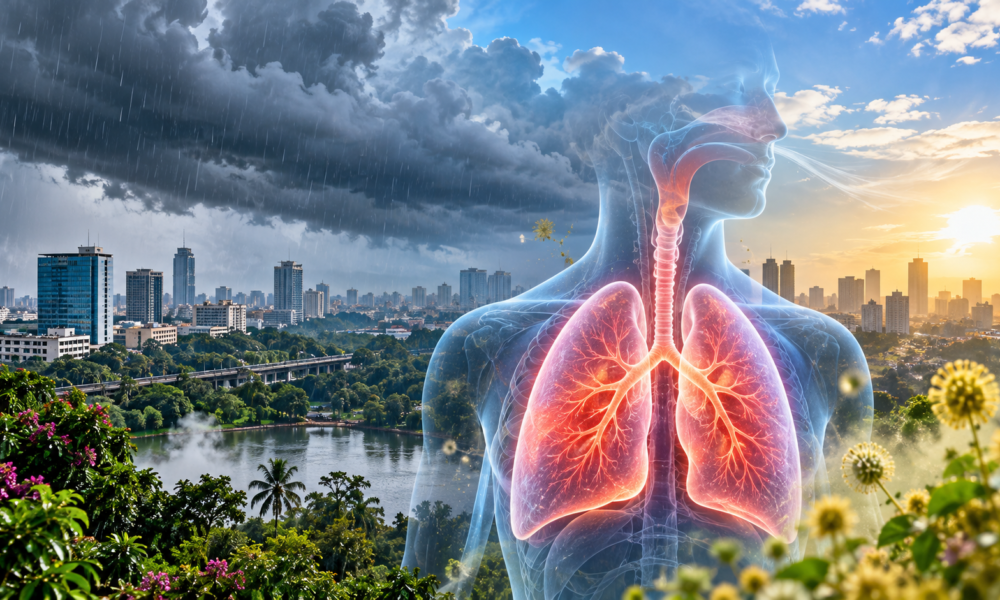
Pollen from trees, grasses and weeds can trigger allergic rhinitis, commonly known as hay fever. Symptoms include sneezing, a runny or blocked nose, and itchy or watery eyes. Pollen exposure can also trigger asthma symptoms in susceptible people.
Rainfall and temperature changes can influence local pollen patterns, but their effects vary by plant species and location. Residents should pay attention to their own symptoms rather than assuming every weather change signals an allergy flare-up.
- Dampness and indoor mould
Periods of heavy rain can increase dampness in poorly ventilated homes. Leaking roofs, wet walls and persistent moisture may encourage mould growth. Exposure to mould can worsen symptoms in people with asthma or mould allergies.
Keep indoor spaces dry, repair leaks promptly and clean affected areas safely. If dampness persists, identify and address the source instead of relying only on air fresheners or temporary surface cleaning.
- Air pollution and respiratory irritation
Traffic emissions, construction dust and other pollutants can irritate the airways. Air pollution may aggravate asthma and contribute to respiratory illness. Bengaluru residents should consider local air-quality readings alongside weather forecasts, particularly when planning outdoor exercise.
Weather conditions can affect how pollutants disperse, but rain does not guarantee consistently clean air.
Practical ways to protect respiratory health
Start by checking the weather forecast and local air-quality information before exercising outdoors. On days when pollution or pollen levels are high, consider moving strenuous activity indoors.
If you experience allergy symptoms, showering and changing clothes after spending time outside can help remove pollen. Keep windows closed when outdoor allergens are high, while maintaining appropriate indoor ventilation and filtration.
People with asthma should follow their clinician’s treatment plan, carry prescribed reliever medication when advised, and avoid changing medication doses independently.
Avoid smoking and exposure to second-hand smoke. If you have recurring symptoms, keep a simple record of the weather, location, activities and symptoms. This can help a healthcare professional identify possible triggers.
When should you seek medical help?
Persistent wheezing, repeated nighttime coughing, worsening breathlessness or symptoms that interfere with everyday activities warrant medical assessment. Do not assume that recurring respiratory symptoms are merely seasonal allergies.
Seek emergency care for severe breathing difficulty, inability to speak full sentences because of breathlessness, or blue or grey lips.
The bottom line: Bengaluru’s weather is only one part of the respiratory-health picture. Monitoring allergens, air quality and indoor dampness, while following appropriate medical advice, can help residents manage symptoms more effectively.






No Comment! Be the first one.