





Waste Management and Public Health in India: Risks, Challenges and Sustainable Solutions
Waste management is not simply about keeping streets clean. It is also an essential part of public-health protection. When household rubbish, medical waste and other discarded materials are handled...

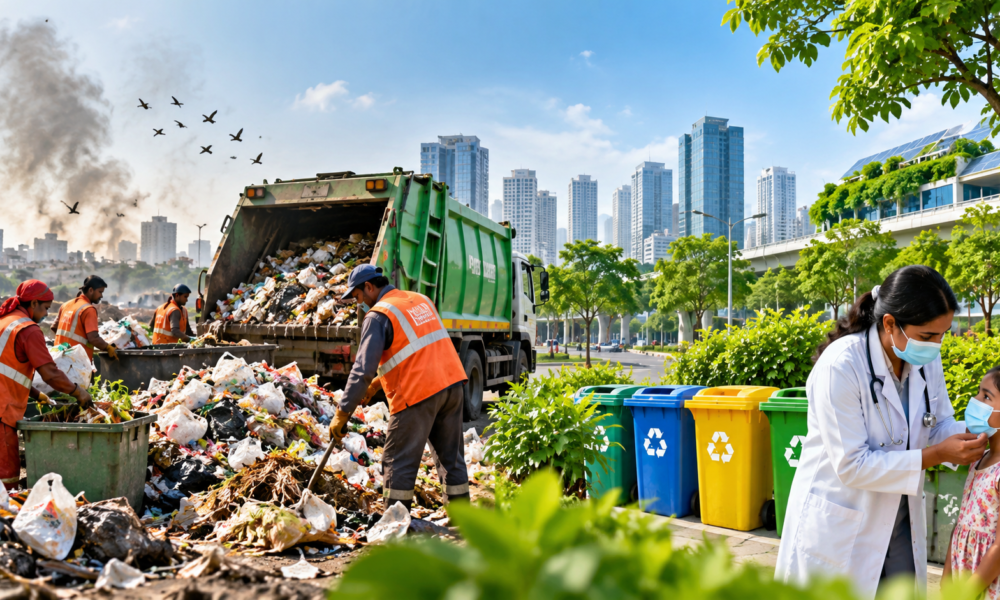
Waste management is not simply about keeping streets clean. It is also an essential part of public-health protection. When household rubbish, medical waste and other discarded materials are handled improperly, they can expose communities to harmful substances, encourage pest breeding and contaminate the surrounding environment.
India has regulations governing biomedical waste, but effective implementation depends on infrastructure, training, monitoring and public awareness. These challenges can be particularly difficult for rural and remote healthcare facilities.
How Improper Waste Disposal Affects Health
Unmanaged waste can create conditions that favour flies, mosquitoes and rodents. Depending on the waste and local environment, these pests may contribute to the spread of infectious diseases.
Open dumping and burning can also create environmental hazards. Smoke from burning waste may contain harmful pollutants, while poorly managed disposal sites can affect soil and water quality.
The risks vary according to the type of waste, how long it remains unmanaged, the surrounding conditions and the level of human exposure. Not every waste site produces the same health outcomes, but unsafe disposal creates preventable risks.
Why Biomedical Waste Requires Special Handling
Healthcare facilities generate waste that may include used needles, contaminated dressings, laboratory materials, medicines and ordinary non-hazardous rubbish.
Some healthcare waste can transmit infections or cause injuries if it is handled incorrectly. Sharps, for example, can puncture the skin, while certain chemical and pharmaceutical wastes require specialised disposal procedures.
Biomedical waste must be segregated, collected, transported, treated and disposed of according to applicable regulations. Mixing hazardous healthcare waste with general rubbish increases risks for cleaners, sanitation workers, waste handlers and the wider community.
Challenges in Rural and Remote India
A 2026 article in the Indian Journal of Community Medicine highlighted challenges in rural and remote healthcare waste management. These include inconsistent waste segregation, limited access to common treatment facilities, inadequate staff training, weak monitoring and low community awareness.
Remote locations may face additional logistical difficulties because treatment facilities can be far from primary healthcare centres. Shortages of trained personnel, equipment and reliable transport can further complicate compliance.
These findings underline the need for practical solutions tailored to local conditions rather than a single approach applied uniformly everywhere.
Protecting Healthcare and Sanitation Workers
Workers who collect or process waste need appropriate training, protective equipment and safe handling procedures.
Healthcare facilities should provide suitable containers, clear segregation instructions, access to handwashing facilities and procedures for managing accidental exposure. Needles and other sharps should be placed in appropriate puncture-resistant containers rather than discarded loosely.
Employers and responsible authorities should also establish reporting and follow-up procedures when injuries or suspected exposures occur.
Sustainable Waste Management Solutions
Improving waste management requires action at several levels.
First, healthcare facilities need consistent segregation at the point where waste is generated. Second, local authorities need reliable collection and treatment arrangements. Third, staff and communities need practical education on safe disposal.
Waste reduction and recycling can also help, provided recyclable materials are separated safely and contaminated waste is not placed into ordinary recycling streams. Treatment choices must be appropriate to the type of waste and comply with environmental and health regulations.
The 2026 research article recommends stronger cooperation among government agencies, healthcare institutions, communities and non-governmental or private-sector partners.
What Can Communities Do?
Households can reduce waste, separate recyclables where local systems support it and avoid dumping rubbish into drains or water bodies. Communities should follow municipal collection instructions and report unsafe disposal practices to the relevant authority.
Healthcare facilities, meanwhile, must follow the applicable Biomedical Waste Management Rules and guidance from their State Pollution Control Boards and other competent authorities.
Conclusion
Safe waste management protects public health, supports cleaner communities and reduces avoidable environmental risks. India’s progress depends not only on regulations but also on practical infrastructure, trained workers, effective oversight and community participation.
In rural and remote areas, locally appropriate systems can help close implementation gaps and make healthcare waste management safer and more sustainable.




No Comment! Be the first one.