








Why Late-Night Movies and Screen Time Can Affect Sleep
Watching a film or scrolling through a streaming platform can feel like an easy way to unwind after a busy day. However, late-night screen habits may interfere with sleep, particularly when they...

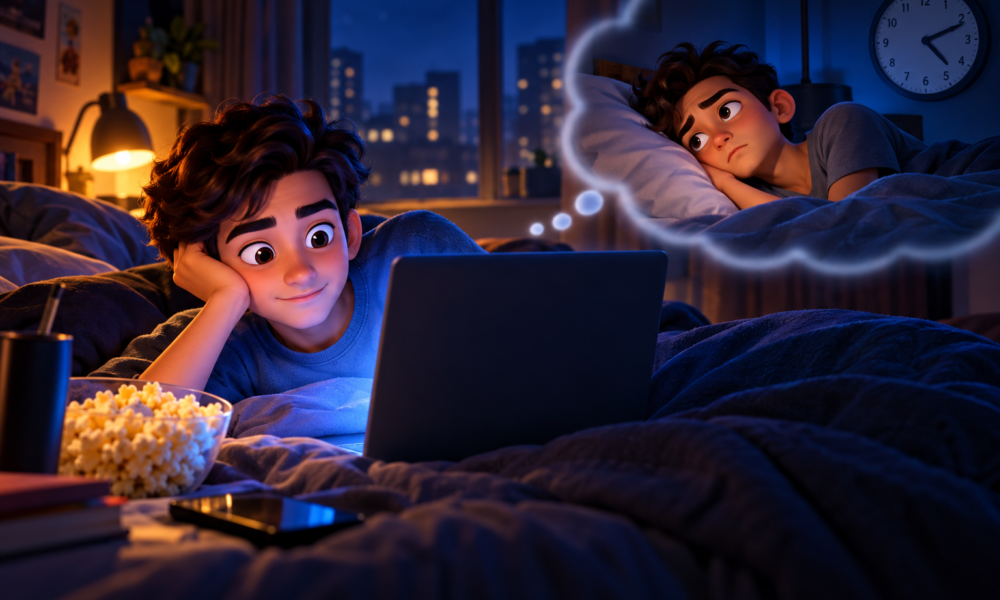
Watching a film or scrolling through a streaming platform can feel like an easy way to unwind after a busy day. However, late-night screen habits may interfere with sleep, particularly when they delay bedtime or keep the mind engaged.
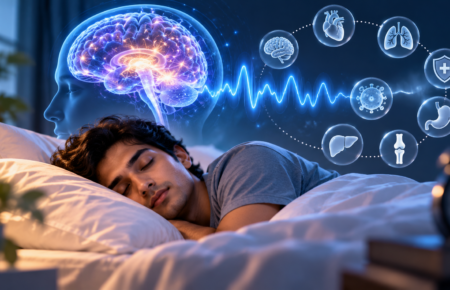
Sleep supports concentration, mood, memory and general health. The effect of evening screen use depends on factors such as timing, brightness, content and individual sleep patterns.
How Screens Can Affect Sleep
Phones, televisions, tablets and laptops produce light, including short-wavelength light that can influence the body’s circadian system. Bright evening light may delay the body’s natural preparation for sleep in some circumstances.
Screen use can also keep people mentally stimulated. An exciting film, competitive game or stream of notifications may encourage someone to stay awake longer than intended.
The biggest practical problem is often lost sleep time. Watching one more episode may seem harmless, but repeatedly delaying bedtime can make it difficult to get enough rest.
Why a Regular Sleep Schedule Matters
The body’s internal clock responds to regular routines and environmental cues, including light exposure.
Going to bed and waking up at broadly consistent times can help establish a more predictable sleep schedule. Adults generally need at least seven hours of sleep each night, although individual requirements vary.
If you regularly stay awake to finish films or shows, decide in advance when to stop watching. A clear stopping point can be more useful than relying on willpower when you are already tired.
Create a Screen-Free Wind-Down Routine
Try putting devices away for the final 30 to 60 minutes before bed. This is a practical starting point rather than a universal medical rule.
Replace late-night scrolling with reading, gentle stretching, quiet music or another relaxing activity. Keep your bedroom comfortable, dark and reasonably quiet.
If you use a phone as an alarm, consider placing it out of immediate reach and enabling a do-not-disturb setting. This can reduce the temptation to check notifications during the night.
Do Blue-Light Filters Solve the Problem?
Night modes and blue-light filters can reduce some short-wavelength light emitted by screens. However, they do not eliminate the effects of stimulating content, notifications or bedtime delays.
Do not assume that switching a screen to a warmer colour automatically protects sleep. The timing and duration of use, as well as your overall routine, remain important.
What If You Cannot Fall Asleep?
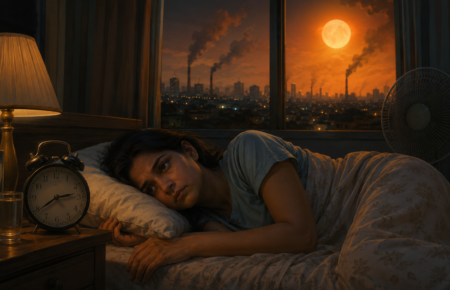
If sleep does not come immediately, try to remain calm rather than repeatedly checking the clock. A quiet, low-light activity may be preferable to returning to stimulating content.
Avoid using alcohol or unprescribed sedatives as sleep aids. If sleep difficulties persist, affect daytime functioning or occur alongside loud snoring and breathing interruptions, seek medical advice.
Make Entertainment Work Around Sleep
Movies and digital entertainment can remain part of a healthy lifestyle. The goal is not necessarily to eliminate screens but to prevent them from consistently replacing sleep.
Set a realistic bedtime, create a wind-down routine and pay attention to how you feel the following day. Small, repeatable changes can help make rest a more reliable part of your routine.
Disclaimer: This article provides general sleep information and is not a substitute for medical assessment.



No Comment! Be the first one.