








Walking for 30 Minutes May Help You Sleep Better, Review Finds
A daily walk could do more than improve physical fitness. A new review published in Frontiers in Public Health suggests that regular walking may also improve sleep quality, especially for adults who...

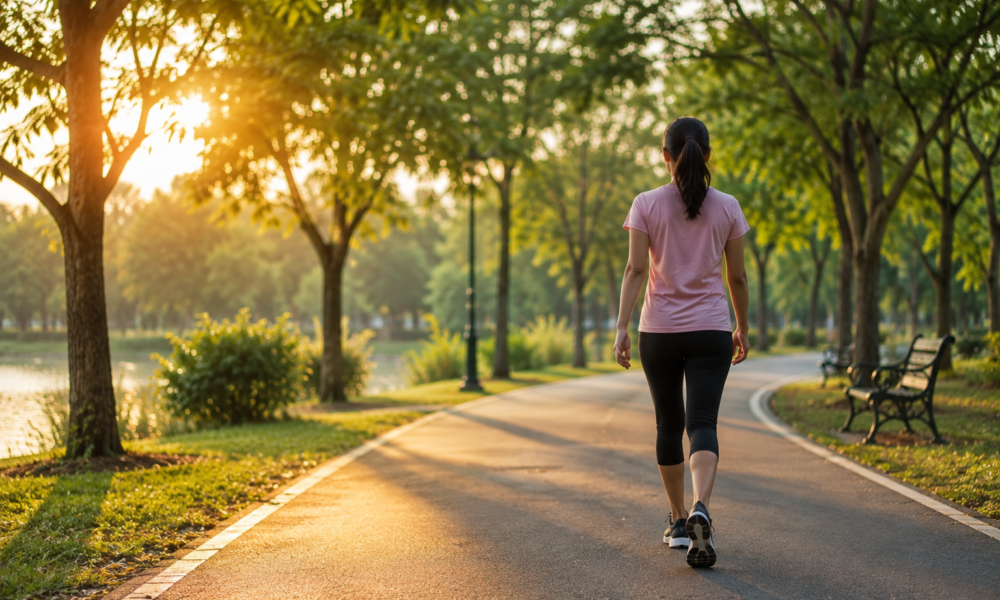
A daily walk could do more than improve physical fitness. A new review published in Frontiers in Public Health suggests that regular walking may also improve sleep quality, especially for adults who struggle with poor sleep.
Researchers analysed data from 21 randomised controlled trials involving 1,707 adults. They found that people who walked regularly reported better sleep compared with those who did little or no physical activity. The review concluded that walking is a simple and practical way to support healthier sleep habits.
According to the study, the greatest benefits were seen among people who already had poor sleep. Researchers found that moderate-intensity walking for 30 to 60 minutes, three to five times a week, over 12 to 24 weeks was linked with noticeable improvements in sleep quality. The review also found that it did not matter whether people walked indoors or outdoors or whether the activity was supervised.
Sleep problems are becoming increasingly common around the world. Poor sleep has been linked to a higher risk of heart disease, diabetes, obesity, anxiety and depression. Many people rely on medicines to manage sleep issues, but health experts continue to encourage lifestyle changes as the first step wherever possible. Regular physical activity remains one of the most effective non-medical ways to improve overall health.
Walking is one of the easiest forms of exercise because it requires no special equipment or gym membership. It can easily be added to daily routines through morning walks, evening strolls or short breaks during the working day. Experts say consistency is more important than intensity, making walking suitable for people of different ages and fitness levels.
Researchers believe walking may improve sleep by reducing stress, supporting the body’s natural sleep cycle and helping people feel physically tired by bedtime. Exposure to natural daylight during outdoor walks may also help regulate the body’s internal clock, making it easier to fall asleep at night.
The researchers noted that while the findings are encouraging, more studies using objective sleep measurements are needed. Most of the available research relied on participants reporting their own sleep quality, which may not always reflect actual sleep patterns.
For people looking to improve their sleep naturally, the message is simple. A regular walking routine, combined with healthy eating, limited screen time before bed and a consistent sleep schedule, may help improve both sleep quality and overall wellbeing.






No Comment! Be the first one.