




Safe Drinking Water: Diseases, Risks and Prevention
Safe drinking water is essential for health, hygiene and everyday life. Water that looks clear is not necessarily free from harmful microorganisms or chemicals. Contamination can occur at the source,...

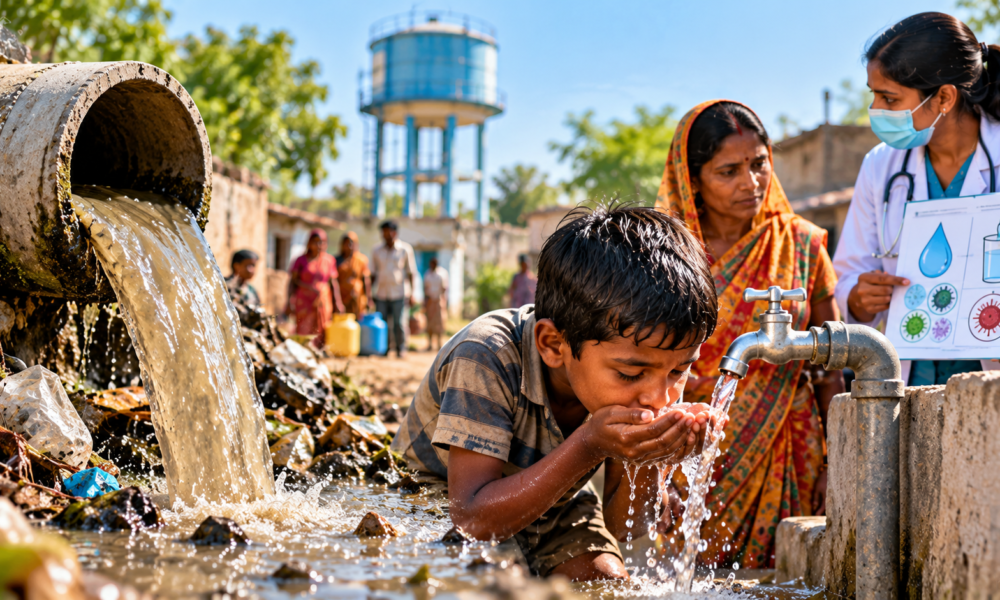
Safe drinking water is essential for health, hygiene and everyday life. Water that looks clear is not necessarily free from harmful microorganisms or chemicals. Contamination can occur at the source, during treatment or while water is transported and stored.
The World Health Organization (WHO) identifies unsafe water and inadequate sanitation as important sources of preventable health risks. Improving water quality can help reduce disease and protect vulnerable communities.
How Drinking Water Becomes Contaminated
Drinking water may be contaminated by human or animal waste, leaking sewage systems, agricultural runoff, industrial pollution or unsafe storage practices.
Flooding and damage to water infrastructure can increase contamination risks. Water can also become contaminated after collection if it is stored in dirty containers or handled with unclean utensils.
Some contaminants are biological, such as bacteria, viruses and parasites. Others are chemical, including certain naturally occurring substances or pollutants introduced through human activity. Different contaminants require different testing and treatment methods.
Diseases Linked to Contaminated Water
Unsafe drinking water can contribute to several illnesses.
Diarrhoeal diseases: Contaminated water can transmit pathogens that cause diarrhoea and gastrointestinal illness. Severe diarrhoea can lead to dehydration, particularly in young children and older adults.
Cholera: Cholera is an acute intestinal infection associated with contaminated food or water. It can cause severe watery diarrhoea and dangerous dehydration without prompt treatment.
Typhoid fever: Typhoid is caused by Salmonella Typhi and is commonly transmitted through food or water contaminated by an infected person’s faeces.
Hepatitis A: This viral infection can spread through contaminated food or water and affect the liver.
Dysentery: Certain infections transmitted through contaminated food or water can cause diarrhoea accompanied by blood or mucus.
Symptoms alone cannot reliably identify the cause of an illness. People with severe dehydration, persistent vomiting, bloody diarrhoea or other serious symptoms should seek medical care promptly.
How to Make Drinking Water Safer
The correct water-treatment method depends on the suspected contaminant.
Boiling can inactivate many disease-causing microorganisms when performed correctly, but it does not remove every chemical contaminant or heavy metal. Water that may contain harmful chemicals requires an appropriate alternative source or a treatment method specifically designed for those contaminants.
Approved household water filters can reduce certain impurities, but their effectiveness varies by technology, maintenance and the contaminant involved.
During an official boil-water advisory, follow the instructions issued by the relevant public-health authority. Keep treated water in clean, covered containers and avoid dipping unwashed hands or utensils into stored drinking water.
The Importance of Sanitation and Hand Hygiene
Safe drinking water is only one part of disease prevention. Proper sewage management, toilets, handwashing and hygienic food preparation also reduce the spread of infection.
Wash hands with soap and safe water after using the toilet, after cleaning a child and before preparing or eating food. Protect wells, tanks and other water sources from sewage and waste.
Communities should report suspected contamination to the relevant water supplier or local authority and follow official testing and treatment guidance.
Water Safety in India
Water safety depends on both the quality of the source and the reliability of the systems that deliver it to households. Rural communities, urban settlements and areas affected by floods may face different challenges.
The WHO’s India programme on water, sanitation and hygiene emphasises the importance of safe water, appropriate sanitation and hygiene services. Sustainable improvements require water-quality monitoring, infrastructure maintenance and public awareness.
Households should not rely solely on appearance, taste or smell to determine whether water is safe. Testing is particularly important when contamination is suspected or when official advisories identify a problem.
Safe drinking water is fundamental to public health. Contaminated water can spread serious infections, while appropriate treatment, safe storage, sanitation and hand hygiene help reduce preventable risks.
Reliable water systems and informed household practices must work together to protect communities.

No Comment! Be the first one.