






Delhi-NCR Air Pollution: How Poor AQI Can Affect Your Health
Delhi-NCR Air Pollution: How Poor AQI Can Affect Your HealthAir pollution is a recurring public-health concern in Delhi-NCR, particularly during the cooler months when weather conditions can...

Delhi-NCR Air Pollution: How Poor AQI Can Affect Your Health
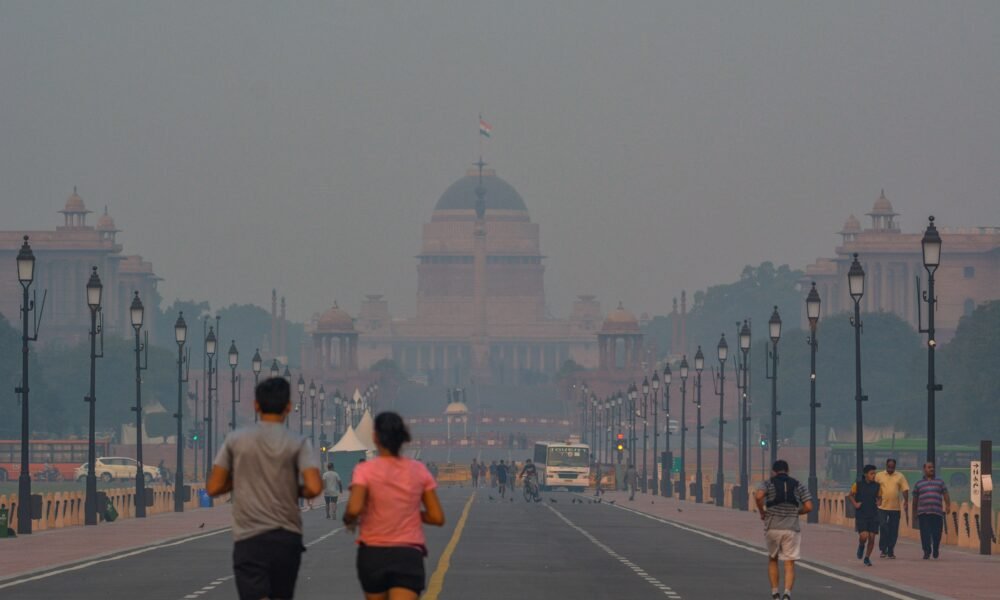
Air pollution is a recurring public-health concern in Delhi-NCR, particularly during the cooler months when weather conditions can contribute to the accumulation of pollutants.
The Delhi government’s AQI dashboard reported an Air Quality Index of 224, classified as “Poor”, at 11 am on 23 October 2026. The dashboard identified PM2.5 as the leading pollutant at most reporting stations. Air quality can change throughout the day, so residents should check current readings rather than assume that conditions remain the same.
Delhi AQI
Why is air pollution harmful?
Air pollution contains particles and gases that can affect different parts of the body. Fine particulate matter, including PM2.5, is small enough to penetrate deep into the lungs.
Exposure can cause irritation, coughing, wheezing and breathing discomfort. Air pollution is also associated with increased risks of cardiovascular and respiratory diseases, including heart disease, stroke, chronic obstructive pulmonary disease and lung cancer. The World Health Organization identifies polluted air as a major global public-health threat.
World Health Organization
The effects depend on the pollutant, its concentration, the duration of exposure and a person’s health. Children, older adults and people with existing heart or lung conditions can be particularly vulnerable.
How can you reduce exposure on polluted days?
Check the AQI before outdoor activities. Use official air-quality dashboards and forecasts to understand local conditions. Readings may differ between neighbourhoods.
Reduce strenuous outdoor exercise when pollution is high. Consider moving running, cycling or other intense activities indoors, particularly when official advisories recommend limiting exposure.
Use a suitable mask when advised. A well-fitted N95 or equivalent particulate respirator can reduce exposure to airborne particles when worn correctly. Fit matters, and masks do not eliminate all pollution risks.
Improve indoor air where possible. Keep windows closed when outdoor pollution is high, while maintaining appropriate ventilation when conditions improve. If using an air purifier, select one suitable for the room and follow its maintenance instructions.
Avoid adding indoor pollution. Do not smoke indoors, and minimise activities that create smoke or fine particles. Avoid burning waste or leaves.
Should children and older adults take extra care?
Yes. Children’s lungs are still developing, and older adults may be more likely to have underlying health conditions.
Schools, parents and caregivers should follow official advisories on outdoor sports and physical activities. People with asthma or other respiratory conditions should follow their clinician’s treatment plan and keep prescribed medicines available.
Seek urgent medical help if someone develops severe breathing difficulty, chest pain, fainting or other serious symptoms. Do not dismiss significant symptoms as a normal response to pollution.
Can one person solve Delhi’s air pollution problem?
Individual precautions can reduce personal exposure, but lasting improvement requires broader action. Cleaner transport, industrial emissions control, construction-dust management, effective waste handling and coordination across neighbouring regions all matter.
Pollution also varies by source and location, so interventions need reliable monitoring and enforcement.
The bottom line
Poor air quality is not simply a visibility problem. It can affect respiratory and cardiovascular health, particularly among vulnerable groups.
Check the AQI, adjust outdoor activity when necessary and follow official guidance. For current readings and health advice, consult the Delhi AQI dashboard and the World Health Organization’s air-pollution guidance.



No Comment! Be the first one.